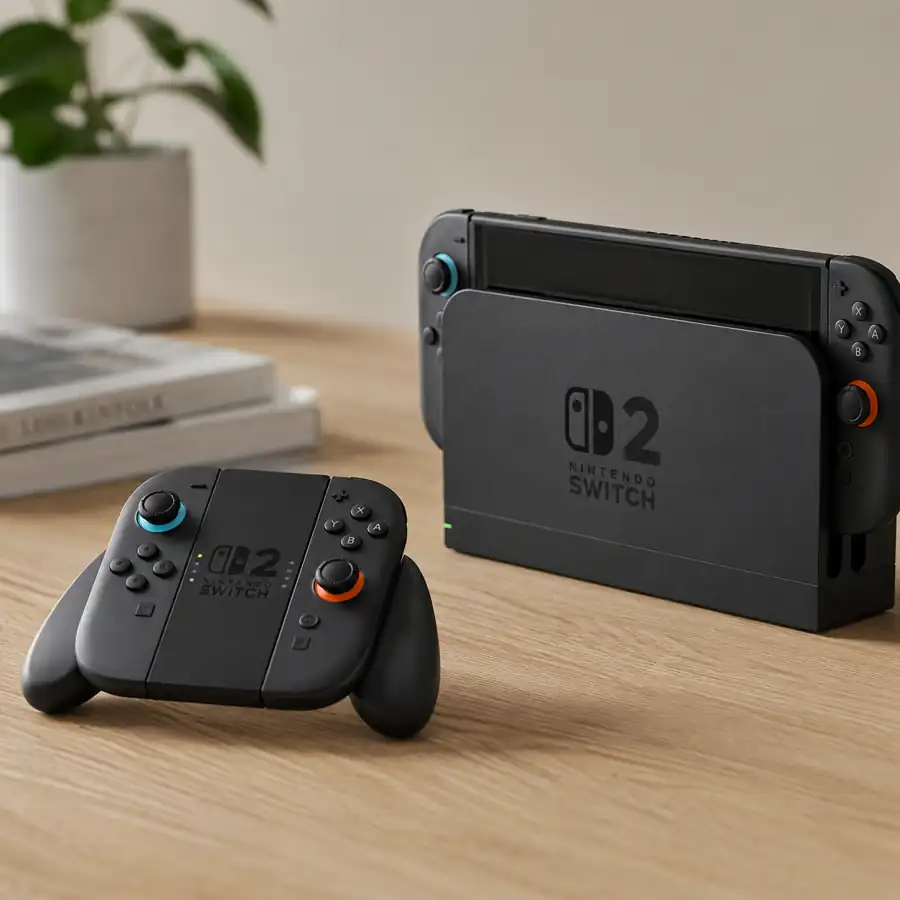

Nintendo’s latest Switch 2 price increase is more than a routine hardware adjustment. It is another sign that the video game console business is moving into a more expensive era, where even companies known for mass-market pricing are struggling to keep hardware costs steady.
The company has confirmed that the Switch 2 will become more expensive in several major markets, including the United States, Canada, Europe and Japan. In the U.S., the console price is moving from $449.99 to $499.99, a $50 increase that brings Nintendo closer to the pricing pressure already seen across PlayStation and Xbox hardware.
In Canada, the Switch 2 price is rising from CAD 629.99 to CAD 679.99. European buyers will see the console move from €469.99 to €499.99, while Japan will face one of the sharpest adjustments, with the system increasing from ¥49,980 to ¥59,980 from May 25.
Nintendo described the decision as a response to changing market conditions and the wider global business outlook. While the company did not give a long breakdown of every cost factor, the timing points to a familiar combination of challenges: tariffs, component inflation, weaker currency effects in some regions, shipping costs and competition for advanced chips.
The move is notable because Nintendo had avoided this step for longer than many expected. Sony and Microsoft had already pushed console prices higher across several models, with premium PlayStation and Xbox hardware now sitting well above the levels consumers were used to at launch. Nintendo’s increase shows that even the Switch 2, despite its strong early sales, is not protected from the same cost pressures affecting the wider technology sector.
The price change comes after a powerful first year for the Switch 2. Nintendo reported annual net profit of 424 billion yen, or about $2.7 billion, for the fiscal year ended in March, up 52% from the previous year. Sales nearly doubled to 2.3 trillion yen, helped by strong demand for the new console and steady software performance.
That strength gives Nintendo room to act, but it does not remove the risk. A higher price can protect margins, yet it can also slow demand at a time when the console’s launch excitement is beginning to settle. Nintendo now expects to sell 16.5 million Switch 2 units in the fiscal year through March 2027, down from 19.86 million in the previous fiscal year.
This slowdown is not unusual for gaming hardware. Consoles usually sell fastest near launch, then settle into a steadier rhythm as early adopters are replaced by more price-sensitive buyers. What makes this cycle different is that the price is rising instead of falling. In older console generations, manufacturers often cut prices after production became cheaper. Today, that pattern is being disrupted by global cost pressures.
Semiconductors remain one of the biggest issues. Demand from artificial intelligence companies has intensified competition for chips, memory and manufacturing capacity. That pressure is being felt across consumer electronics, from smartphones and laptops to game consoles. Reporting from Associated Press has also highlighted how Japanese exporters are dealing with tariff pressure and wider global uncertainty, adding another layer of difficulty for companies like Nintendo.
For gamers, the immediate impact is simple: buying into the Switch 2 ecosystem now costs more. The console itself is pricier, and that comes on top of the broader cost of modern gaming, including full-price software, accessories, subscriptions and digital add-ons.
Nintendo will be betting that its exclusive software lineup can soften the blow. The company continues to have one of the strongest first-party libraries in the industry, with franchises such as Mario, Zelda, Pokemon, Donkey Kong and Animal Crossing giving it a major advantage over rivals. Recent titles including Mario Kart World, Donkey Kong Bananza and Tomodachi Life: Living the Dream have helped keep players engaged.
The company also said Tomodachi Life: Living the Dream sold more than 3.8 million units within two weeks of release, showing that software demand remains healthy even as hardware growth becomes harder to maintain. Nintendo expects Switch 2 software sales to rise to 60 million units in the current fiscal year, up from 48.7 million previously.
There is also a growing entertainment advantage outside the console business. The Super Mario Galaxy Movie has reportedly earned more than $800 million globally since release, extending Nintendo’s reach beyond gaming hardware and giving the company another way to monetize its biggest characters.
Read More
Still, the Switch 2 price hike changes the conversation around Nintendo’s position in the market. The company has long benefited from being viewed as the more family-friendly and relatively affordable console option. At $499.99 in the U.S., the Switch 2 remains cheaper than several high-end PlayStation and Xbox models, but the gap is not as wide as it once was.
That matters because Nintendo is competing not only with consoles, but with every other entertainment option fighting for household budgets. Families weighing a new Switch 2 purchase may now compare it more closely with tablets, handheld PCs, older consoles or subscription-based gaming services.
For the industry, the bigger message is clear. Console makers are no longer treating hardware price cuts as guaranteed. Instead, companies are trying to protect profitability in an environment where parts, labor, tariffs and logistics can change quickly. That shift could influence how future systems are launched, priced and updated.
Sony is reportedly taking a cautious approach to future PlayStation hardware, while Microsoft continues to rethink its Xbox strategy as hardware sales remain under pressure. Nintendo, meanwhile, appears focused on building the Switch 2 into a long-term platform supported by software, movies and third-party partnerships.
The price increase may not stop loyal Nintendo fans from buying the console, especially if more major games arrive later this year. But it could make casual buyers wait longer, search for bundles or delay purchases until the holiday season.
For more updates on gaming, technology and market trends, readers can follow related coverage on Swikblog.
Nintendo’s challenge now is to prove that the Switch 2 still feels worth the higher price. Strong profits show the business is healthy, but the next phase will depend on whether players believe the console’s game library, portability and exclusive franchises justify paying more in a tougher economy.

Make Swikblog your go-to source on Google for reliable updates, smart insights, and daily trends.