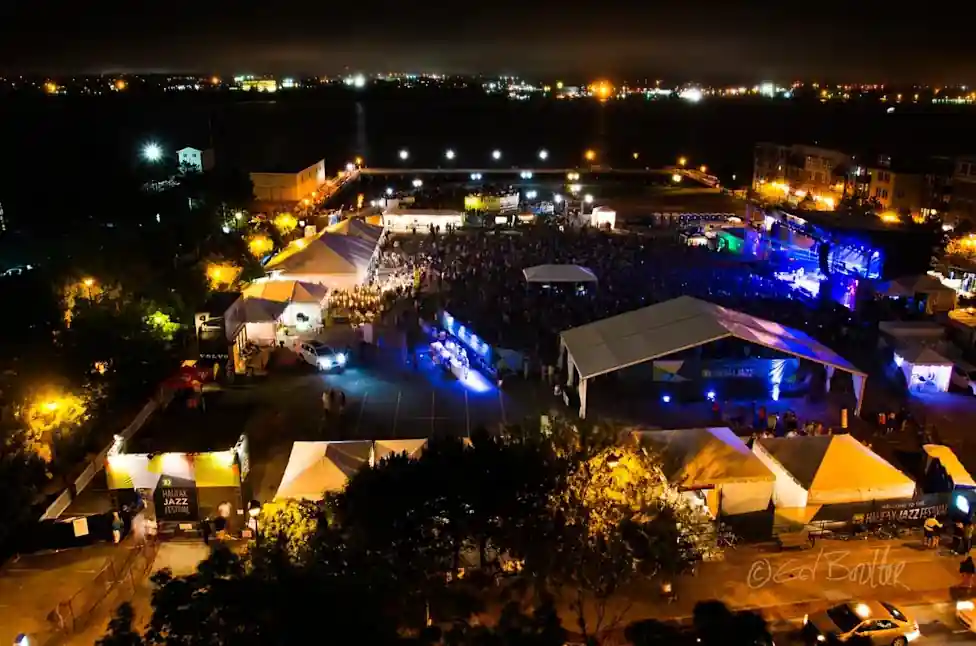

“Blue Dot Fever” has become the concert industry’s newest warning sign, but it is really a modern name for an old problem: too many seats left unsold when a show gets close to its event date.
The phrase comes from the blue seat markers and shaded sections that appear on Ticketmaster seating maps. When fans open a venue map, blue usually means tickets are still available. Darker blue sections suggest a larger number of open seats, while lighter blue areas point to limited availability. Gray areas generally mean seats are unavailable for the selected ticket quantity.
In 2026, those blue sections have become impossible to ignore for some arena and amphitheater tours. Fans have started using “Blue Dot Fever” to describe seating maps that still show large pockets of unsold inventory weeks after tickets went on sale. For promoters, artists and venues, the phrase has become a quick way to talk about soft demand without saying a tour is in trouble.
Why “Blue Dot Fever” Is Spreading Across Concerts
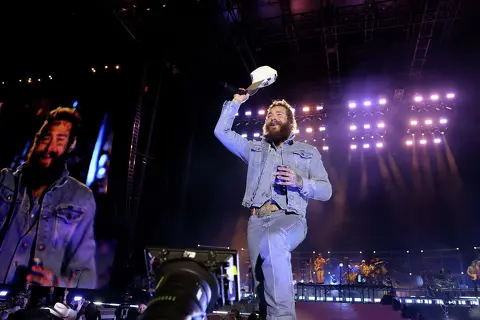
The concern has grown after a series of tour cancellations and schedule changes from well-known artists. Names including The Pussycat Dolls, Meghan Trainor, Zayn and Post Malone have all been pulled into the wider conversation, though no major artist has directly said “Blue Dot Fever” caused a cancellation.
The Pussycat Dolls gave one of the clearest public signals when the group said it had taken an “honest look” at its North American run before canceling nearly all of those dates. Meghan Trainor also canceled upcoming shows, saying she needed to spend time with her family. In both cases, industry watchers speculated that slower ticket sales may have been part of the wider picture.
Connecticut has already felt some of that pressure. Both The Pussycat Dolls and Meghan Trainor had scheduled Connecticut concerts canceled, placing the state inside the national conversation around weaker demand for some major tours. Post Malone’s Rentschler Field concert with Jelly Roll, however, remains scheduled, showing that not every big-name event is facing the same risk.
The pattern does not mean fans have stopped going to concerts. It means the market has become more selective. After the post-pandemic rush to attend live events, many people are now thinking harder before spending hundreds of dollars on a night out.
Ticket prices are a major reason. According to Pollstar, stadium and large concert-site ticket prices rose sharply in 2025, with average prices up 18.3% from 2024 and 29% from 2023. The average ticket price for stadium shows reached $216.13, before many fans even factor in service fees, parking, food, travel or hotels.
That matters because concerts are no longer a simple entertainment purchase for many households. A single arena show can become a full-night expense, especially for families or fans traveling from outside the city. When the final cost starts to feel closer to a short trip than a casual night out, buyers become more careful.
Music manager Michael Kaminsky, founder of KMGMT and an instructor in the University of Southern California’s music industry program, told the Los Angeles Times that daily ticket counts for several tours dropped during periods of economic and geopolitical stress. His point was simple: even lower-priced concerts become harder to sell when fans are unsure how much money they will have months later.
That hesitation is now visible on seating charts. Instead of selling out quickly, some shows are moving slowly, leaving promoters with large blocks of unsold seats and limited time to fix the problem.
Connecticut Shows Tell a Mixed Story
Connecticut’s concert calendar shows why “Blue Dot Fever” is not a one-size-fits-all crisis. Some shows have plenty of available seats, while others are still selling strongly or have already sold out.
As of May 13, ticket maps for Wu-Tang Clan at Xfinity Theatre, Alison Krauss at Hartford HealthCare Amphitheater and Kesha at Mohegan Sun Arena showed darker blue sections in parts of their venues, meaning more tickets were available in those areas. That does not automatically mean any of those concerts will be canceled. It only shows that demand, at that point, had not filled the venues evenly.
At the same time, Connecticut concertgoers are still turning out for the right events. Premier Concerts and Manic Presents, one of the state’s biggest independent concert promoters, has seen several sold-out shows, including Jack White at College Street Music Hall, Failure at Space Ballroom and Narrow Head with Ovlov at Counter Weight Brewing Co.
Dave Matthews Band at Xfinity Theatre is also showing strong demand, with only lawn tickets and select platinum tickets available. Other notable sellouts in the state include Olivia Rodrigo and Billy Strings at PeoplesBank Arena, along with Freya Skye at Hartford HealthCare Amphitheater.
That contrast is important. “Blue Dot Fever” is not proof that the live music industry is collapsing. It is proof that pricing power is no longer automatic. Fans are still willing to pay for artists they consider must-see, but they are less willing to buy tickets casually for every tour that comes through town.
The biggest risk may be for tours priced like blockbuster events but carrying only mid-level demand. When ticket prices rise too far above what fans believe the experience is worth, the blue dots stay on the map longer.
There is also a timing problem. Many fans are waiting until closer to show dates before buying tickets, hoping prices fall or better seats become available. That behavior makes early sales look weaker and creates anxiety for promoters who rely on advance demand to judge whether a concert is healthy.
Ticketmaster has downplayed the panic around “Blue Dot Fever,” and that is partly fair. Available seats do not always signal failure. Some shows sell steadily near the event date, while others use discounts, promotions or production adjustments to improve attendance.
Read More
Still, the phrase has caught on because it captures a real shift in fan behavior. Concertgoers are more price-sensitive, more selective and more aware of how ticketing systems work. Seating maps have become public evidence of demand, and fans can now see in real time when a show is struggling to fill the room.
For artists and promoters, the lesson is clear: the post-pandemic boom has cooled. Selling live music in 2026 requires more than a famous name and a large venue. Pricing, location, fan loyalty and timing all matter more than they did during the first wave of reopened concerts.
For Connecticut fans, the impact is uneven. Some concerts may continue to show large blocks of unsold seats, while others will remain difficult to get into. The state is not facing a concert collapse, but it is part of a national reset in how people buy tickets.
“Blue Dot Fever” may sound like a social media phrase, but behind it is a serious business question: how much are fans still willing to pay for live music?
For more coverage on music events and tour demand, read Swikblog’s report on The Pussycat Dolls’ canceled U.S. reunion tour and the latest Lollapalooza 2026 schedule update.

Make Swikblog your go-to source on Google for reliable updates, smart insights, and daily trends.