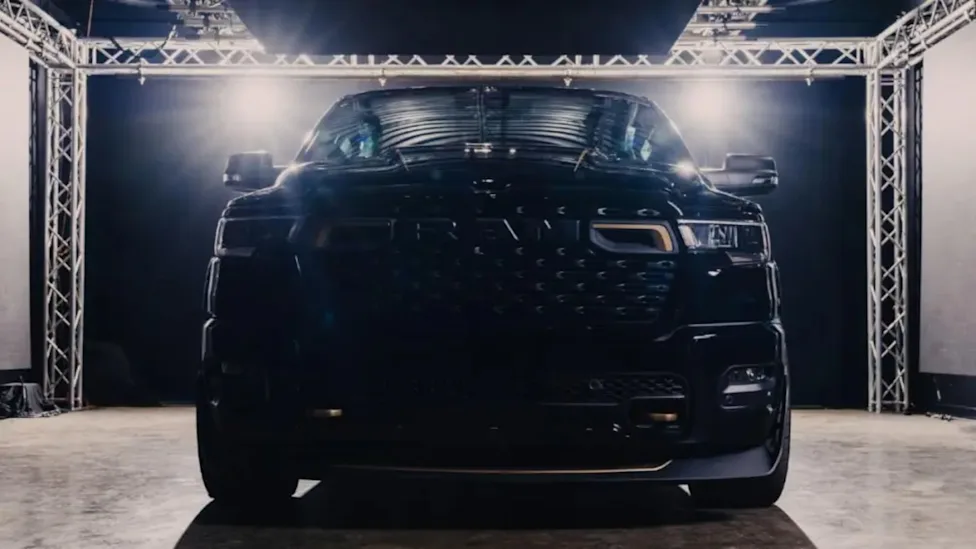

Stellantis is recalling 12,736 Ram 2500 pickup trucks in the U.S. after federal documents showed that some heavy-duty models may have been built with a speed calibration that lets the vehicle exceed the maximum speed rating of its factory-installed tires.
The recall covers certain 2023 through 2026 Ram 2500 trucks produced from June 21, 2022, to April 14, 2026. The issue is listed under NHTSA recall number 26V288 and Stellantis campaign number 43D. According to the official NHTSA recall report, the problem involves the truck’s Powertrain Control Module software, which may allow the vehicle to travel faster than the tires are rated to safely handle.
That may sound like a small calibration problem, but it is not something owners should ignore. Tires are engineered for specific speed and load conditions. In this case, the affected trucks were fitted with tires carrying an “R” speed rating, which means they are designed for speeds up to 106 mph when properly inflated, loaded, and maintained.
The concern is that some Ram 2500 trucks may be capable of going beyond that limit. If a tire is pushed above its certified speed rating, heat and internal stress can build quickly. Over time, that can increase the risk of tire damage, tread separation, sudden air loss, or loss of vehicle control.
For most Ram 2500 owners, driving above 106 mph is not part of daily life. These trucks are bought for towing, hauling, long-distance work, construction use, farm duties, and heavy payload jobs. But the recall is not based on how most people usually drive. It is based on what the vehicle is physically and electronically capable of doing.
That is why this recall matters. A factory truck should not be programmed in a way that allows it to exceed the safety limits of parts installed by the manufacturer. Tires, brakes, suspension, powertrain calibration, stability control, and speed limiters all have to work within the same safety envelope.
Stellantis said its Technical Safety and Regulatory Compliance organization opened an investigation on March 24, 2026, after identifying that some Ram 2500 pickups may have been built with the incorrect vehicle speed calibration. The company later decided to conduct a safety recall, with dealers expected to be notified in mid-May and owner letters expected to begin in early June 2026.
The fix will not involve replacing the tires. Instead, Ram dealers will update the Powertrain Control Module software free of charge. The revised software will set the correct speed limitation so the truck cannot exceed the tire speed rating.
That approach is likely to create mixed reactions. From a safety and service standpoint, a software update is a direct fix because the tires can remain within their approved speed range once the limiter is corrected. From an owner’s point of view, however, some may feel they are losing a capability the truck previously had, even if that capability should not have been available in the first place.
This is where the recall becomes more than a simple tire-speed issue. It also shows how much modern trucks now depend on software. A heavy-duty pickup may still look like a traditional work machine, but many of its limits and driving behaviors are controlled by electronic systems.
Top speed, throttle response, transmission tuning, towing behavior, emissions logic, traction control, and stability systems are all shaped by software calibration. That allows manufacturers to fix certain issues quickly through updates, but it also means a small error in programming can affect thousands of vehicles before anyone notices.
Truck buyers are especially sensitive to this. Heavy-duty pickups are expensive, capability-focused vehicles. Owners expect them to be durable, carefully engineered, and built with wide safety margins. When a recall shows that the programmed top speed did not properly match the factory tire rating, it raises fair questions about quality checks during production.
Read More
- Visit Swikblog Homepage
- Puffins Found Dead After Deadly Storms as Breeding Season Begins
- Belfast Plants 293,516 Trees Under 1 Million Trees Initiative
- Hackney Half Marathon 2026 Road Closures: East London Streets Shut
- Kingston Power Outage Leaves 13,432 Customers Affected
- NTSB Wimberley Plane Crash Report: 5 Killed
The good news is that this issue was identified through an internal review, not after a wave of crashes or tire failures. Stellantis has not linked the recall to a major public failure pattern, and the repair should be simple for dealerships to complete.
Still, owners should not delay the fix once their vehicle is included. Tire-related recalls deserve attention because failures at highway speed can become dangerous very quickly, especially in a large truck that may be carrying cargo or towing a trailer.
The case also fits a wider pattern of automakers dealing with highly specific but important safety problems across newer trucks and SUVs. Swikblog recently reported on Ford’s recall of nearly 180,000 Ranger and Bronco vehicles over loose seat bolts, another example of how a small component or calibration issue can become a serious safety concern.
Ram 2500 owners can check their vehicle identification number through the NHTSA recall lookup tool or contact a Ram dealer to confirm whether their truck is affected. If included, the software update should be completed at no cost.
The recall may not change how most owners use their trucks every day, but it sends a clear message. In modern vehicles, safety is no longer only about strong hardware. It also depends on whether the software controlling that hardware has been calibrated correctly from the start.

Make Swikblog your go-to source on Google for reliable updates, smart insights, and daily trends.