
Yosemite National Park is easier to enter in 2026, but that does not mean it is easier to visit. The park has dropped its timed-entry reservation system for the year, giving summer travelers more freedom to arrive without booking an entry slot. But the first busy weekends are already showing the hidden cost of that change: visitors may get through the gate only to find themselves stuck in traffic, circling for parking, waiting in long food lines or watching illegally parked cars get towed.
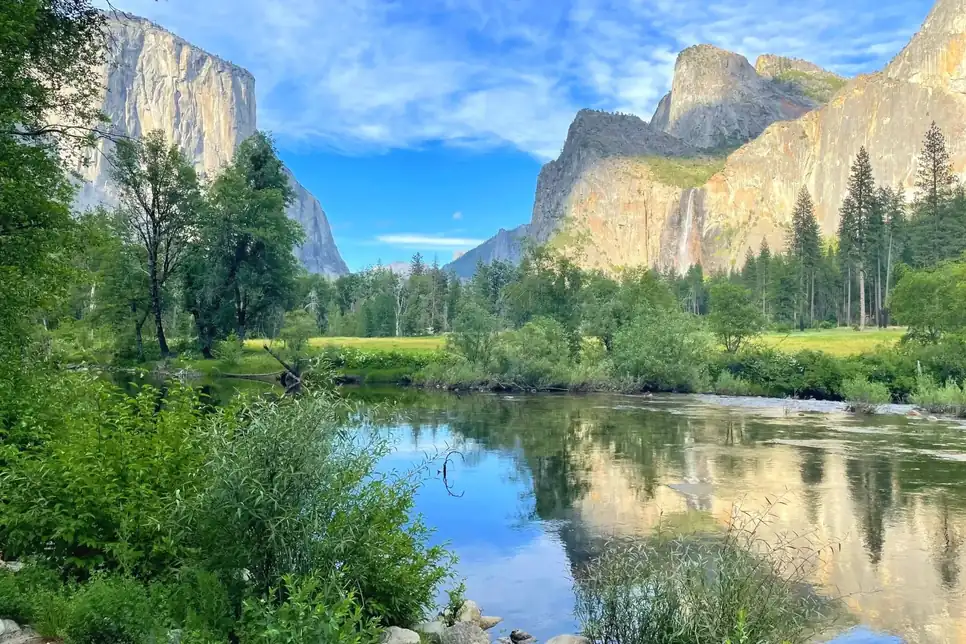
That is the central problem facing Yosemite this summer. The new rule removes one barrier at the entrance, but it does not create more parking spaces in Yosemite Valley, more tables at Curry Village, more shuttle capacity or wider roads beneath El Capitan. For visitors, the biggest risk in 2026 may not be being turned away. It may be getting in and then losing much of the day to congestion.
The National Park Service says a reservation is not required to enter Yosemite in 2026, although normal entrance fees still apply. That sounds simple for travelers who missed out on past timed-entry slots. But Yosemite Valley’s most popular stops sit inside a narrow, high-demand landscape where cars quickly become the limiting factor.
On early-season busy days, parking pressure has already spilled into areas where vehicles are not supposed to stop. Cars have been reported along roadsides, squeezed into dirt edges and left in places that interfere with normal traffic flow. In some cases, tow trucks have been called in. The result is a frustrating contradiction: a park that is officially open, but practically difficult to use once the main lots are full.
The mistake visitors may make this summer
The easiest mistake is assuming that no reservation means no planning. Yosemite’s 2026 rule change makes the entrance process more flexible, but it also concentrates risk on arrival time, transportation and parking strategy. A visitor who reaches the park late on a Saturday morning may technically have access, but still struggle to park near Yosemite Village, Yosemite Lodge, Camp 4, Curry Village or the major Valley viewpoints.
That matters because Yosemite is not a place where every visitor can simply park anywhere and walk a few minutes to the same experience. The Valley is spread across roads, meadows, trailheads, lodging areas and shuttle stops. When cars begin stacking up, the delays touch everything else: shuttles get slowed, restaurant lines grow, bike rentals sell out and families are forced to choose between waiting, walking long distances or leaving one area earlier than planned.
The pressure is likely to increase as summer travel peaks. Yosemite’s busiest months usually arrive after the first warning signs of spring. A difficult Saturday in May can become a wider pattern in June and July, especially once school holidays, road trips and international visitors all converge on the same narrow corridor.
Yosemite has been here before. The park used reservation systems in recent years after heavy visitation and pandemic-era crowd control experiments showed how quickly the Valley can become overwhelmed. In 2019, Yosemite recorded more than 4.4 million visits. By 2025, annual visitation was again above 4.2 million, close to pre-pandemic pressure. Those numbers explain why the reservation debate is not just about convenience. It is about whether the park’s roads and services can handle peak demand without turning a visit into a traffic problem.
Key travel warning: In 2026, Yosemite visitors should treat parking as the real reservation. Once the main lots fill, the rest of the day can become difficult very quickly.
What visitors should do differently
The strongest move is to avoid Saturday if possible. For travelers with flexible plans, Monday through Thursday is likely to offer a better chance of finding parking and moving through the Valley without the worst crowding. Fridays and Sundays may also become more difficult as summer demand rises, especially around holiday weekends.
Arrival time matters even more than usual. Visitors planning a full Valley day should aim to enter very early rather than late morning. A pre-dawn or early-morning arrival can mean the difference between parking once and enjoying the park, or spending the day searching for a space while traffic builds behind every turn.
Public transit may be the most underrated Yosemite strategy in 2026. YARTS connects gateway communities with the park and removes the need to compete for a Valley parking space. That option may be especially useful for travelers staying outside Yosemite who do not want their entire day shaped by parking uncertainty.
Visitors who do drive should consider parking once and not moving the car again. Bikes can make that strategy work. Yosemite Valley’s paved bike paths connect many major areas, and cycling can be faster than driving during congestion. Rentals are available in the park, but they can sell out early on busy days, so bringing a bike gives travelers more control.
Food planning also matters. Long restaurant lines can turn a crowded day into a frustrating one, particularly after hikes or around dinner. Packing lunch, snacks and water can save time and reduce the need to move across the Valley during peak hours. Any food left unattended must be stored properly because Yosemite’s bear-safety rules still apply, crowded season or not.
The no-reservation rule may feel like a win for spontaneous travel, and for some visitors it will be. People who arrive early, avoid peak days and move around without relying on their car may have a smoother trip than they expected. But the rule also shifts more responsibility onto visitors. In past years, the reservation system limited how many people could enter during the busiest windows. In 2026, that filter is gone, so the burden moves to planning, timing and transportation choices.
That is why Yosemite’s open-gate summer should not be read as an invitation to wing it. The park remains one of the most spectacular landscapes in the United States, but its most famous areas have hard physical limits. In 2026, the visitors who understand that before they arrive are the ones most likely to see Yosemite instead of spending the day looking for somewhere to park.

Make Swikblog your go-to source on Google for reliable updates, smart insights, and daily trends.