
Perdue Foods is taking John Soules Foods to federal court over rival “6-7” chicken nuggets, arguing that the competing frozen product goes beyond a shared internet joke and copies parts of Perdue’s package design. The lawsuit was filed on June 23, 2026, in the U.S. District Court for the Eastern District of Virginia.
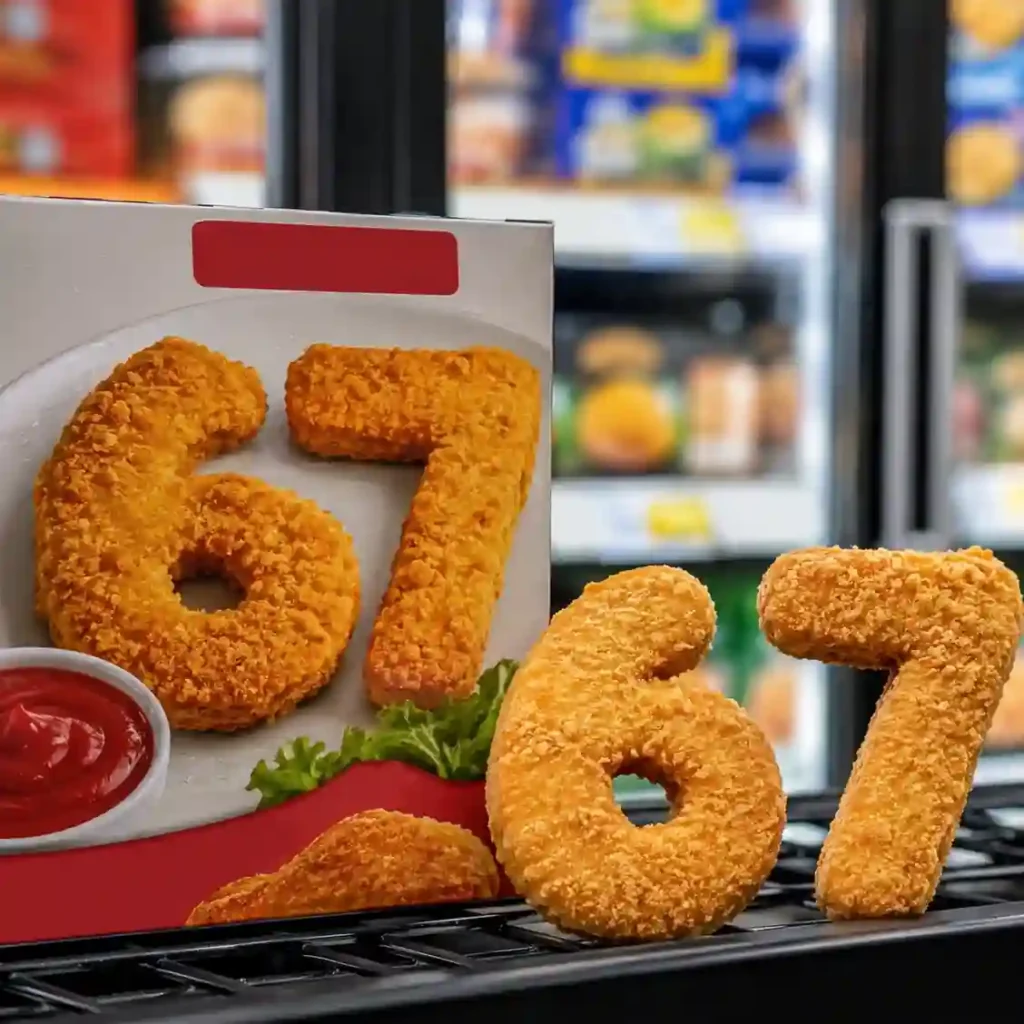
The dispute centers on chicken nuggets shaped like the numbers 6 and 7, a product idea tied to the viral “six-seven” phrase popular with younger internet users. Perdue says the legal issue is not only the number-shaped food, but the way John Soules Foods presented its version to shoppers.
According to the federal docket for Perdue Foods LLC v. John Soules Foods, Inc., Perdue filed a trademark case under the Lanham Act and also requested a preliminary injunction.
What Perdue Is Claiming
Perdue alleges that John Soules Foods used packaging elements that are too close to its own “6-7” nugget branding. The company points to breaded nugget numerals, cartoon-style hands under the numbers, playful graphics and an overall package layout that Perdue says could make the products look connected.
The complaint includes claims involving trademark infringement, trade dress infringement, false designation of origin and unfair competition. Trade dress refers to the overall visual appearance of a product or package when that appearance helps identify the brand behind it.
Perdue argues that shoppers may think the two nugget products come from the same company, are part of the same campaign or were approved by one another. John Soules Foods has denied the allegations and said it plans to defend itself.
How the Timeline Developed
Perdue announced its “6-7” chicken nuggets in April 2026 and says the product reached Walmart stores nationwide by May 1. The company also filed trademark applications tied to the product’s name and artwork.
John Soules Foods announced its own “67” chicken nuggets on June 7, a date that matched the meme-friendly number. The company said its nuggets would be available at Kroger and Aldi stores nationwide in July.
Perdue says it sent a cease-and-desist letter on June 9, asking John Soules Foods to stop using the disputed package design. After the companies failed to resolve the issue, Perdue filed the federal lawsuit less than two weeks later.
Why the “6-7” Trend Became Valuable
The “6-7” phrase became a youth-culture meme before reaching grocery shelves. Its appeal comes from being instantly recognizable to children, teens and social media users, even though the phrase itself is intentionally loose and playful.
That kind of trend can move quickly from online jokes to retail products. For food brands, the value is not just in the food shape. It is also in the timing, package art, social media connection and the chance to stand out in a crowded freezer aisle.
The same trend has already affected restaurants and food marketing. In one related example, In-N-Out changed its ordering system after the “6-7” TikTok trend overwhelmed restaurants, showing how online behavior can create real business pressure.
The Soules Foods Marketing Angle
John Soules Foods added a separate cultural hook by working with Maverick Trevillian, the teen widely known online as the “67 Kid.” He became linked to the phrase after a viral basketball-game moment in 2025.
The company’s packaging reportedly includes a cartoon character tied to that partnership. That gives John Soules Foods its own marketing story, but Perdue argues the overall presentation still comes too close to its claimed branding.
What Perdue Wants From the Court
Perdue is asking the court to stop John Soules Foods from using the disputed “67” branding and similar packaging while the case moves forward. The company is also seeking broader relief that could include damages, profits, attorneys’ fees and action involving disputed marketing materials.
The preliminary injunction request is important because the products are tied to a fast-moving trend. If a court waits too long, the most valuable sales window for a meme-based frozen food product could already be over.
Why This Case Matters
This is not a food safety issue, and the lawsuit does not involve a recall over health concerns. The core question is whether one company’s packaging and product presentation are similar enough to create consumer confusion.
The case could become a useful example for brands trying to turn viral culture into products. A meme may be public, but the way a company packages, markets and sells a product based on that meme can still create legal risk.
For grocery brands, the fight also shows how valuable shelf space can be. Perdue claims the competing launch affected retail opportunities, which could make the case about business impact as much as package similarity.
The case will continue in federal court unless the companies reach a settlement. John Soules Foods has not yet fully litigated its defense in the public docket, and Perdue’s claims remain allegations unless proven in court.
The fight over “6-7” chicken nuggets shows how quickly a playful internet phrase can become a serious trademark dispute. In the modern grocery aisle, a product’s look, launch timing and cultural connection can be almost as important as the food inside the box.

Make Swikblog your go-to source on Google for reliable updates, smart insights, and daily trends.