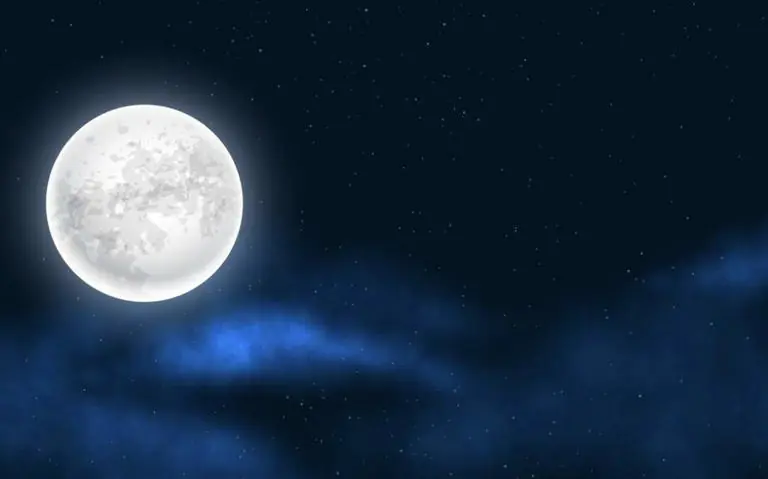

Mississippi skywatchers can see July’s full Buck Moon tonight, Wednesday, July 29, 2026, as it rises shortly after sunset. Although the exact full phase occurred during daylight, the moon will still appear round and brightly illuminated throughout the night.
The event coincides with three active meteor showers. However, bright moonlight will hide many faint meteors during the Southern delta Aquariids and alpha Capricornids peak on July 30–31.
Is the full moon tonight?
Yes. The Buck Moon reached peak illumination at 9:36 a.m. CT on July 29. A full moon is an exact astronomical moment, but the difference before and after that point is difficult to notice without precise measurements. It should look full on both Wednesday and Thursday nights.
What time will the Buck Moon rise in Mississippi?
In Jackson, moonrise is expected at approximately 8:19 p.m. CT. Look toward the east-southeast shortly after sunset.
The moon will reach its highest point at about 12:52 a.m. Thursday and set near 7:05 a.m. It will be approximately 99.8% illuminated Wednesday night.
Times vary slightly across Mississippi. Viewers in Biloxi, Gulfport, Hattiesburg, Meridian and Tupelo may see moonrise a few minutes earlier or later.
How to get the best view
Choose a safe location with an unobstructed southeastern horizon. Open fields, lakesides and elevated areas away from tall buildings provide good viewing conditions.
No telescope, binoculars or protective glasses are required. Binoculars can reveal more lunar surface detail, but the moon is easily visible without equipment. Clouds, thunderstorms and humid haze are the main concerns, so check the local forecast before travelling.
The rising moon may appear orange because its light passes through more of Earth’s atmosphere near the horizon. It may also look unusually large beside buildings or trees. This “moon illusion” is a visual effect, not a sudden change in the moon’s distance or size.
Why is it called the Buck Moon?
The name refers to the period when male deer, or bucks, are growing new antlers. Other seasonal names associated with July’s full moon include the Thunder Moon, Salmon Moon and Halfway Summer Moon.
These traditional names do not describe a scientific change in the moon. July’s event follows an unusual lunar calendar that included May’s Flower Moon and two full moons in one month.
Which meteor showers are active?
The Southern delta Aquariids, alpha Capricornids and Perseids are currently active. Meteors can appear from evening through dawn, but viewing generally improves after midnight.
The Southern delta Aquariids and alpha Capricornids peak overnight on July 30–31. The American Meteor Society’s 2026 calendar says the moon will be about 98% illuminated, severely affecting visibility.
Under ideal dark skies, the Southern delta Aquariids can produce approximately 25 meteors per hour. The shower remains active until August 23, with its radiant highest around 2 a.m. Mississippi viewers should expect fewer meteors because of moonlight and the radiant’s lower position in the Northern Hemisphere.
The alpha Capricornids remain active until around August 15. They usually produce no more than five meteors per hour but are known for occasional bright fireballs.
A similar problem affected the May 2026 meteor shower and Blue Moon, when lunar glare reduced the number of visible shooting stars.
What is the best time to watch meteors?
The best general viewing period is between midnight and dawn, although Perseids may appear from about 10 p.m. Find a dark location, face away from the moon and use a tree or building to block its glare.
Allow at least 20 minutes for your eyes to adjust and avoid phone screens. Scan a broad section of sky instead of looking only toward the shower’s named constellation. Bring water, a chair and mosquito repellent if staying outside for an extended period.
Read More:
When will the Perseids peak?
The Perseids remain active until August 24 and peak on August 12–13. Conditions should be much better because the peak coincides with a new moon. Rural observers may see 30 to 50 meteors per hour under clear, dark skies, although actual totals depend on weather and light pollution.
How to photograph the Buck Moon
Phone users should tap the moon on the screen and reduce exposure until surface details appear. Stabilize the device against a solid object or use a tripod. Avoid heavy digital zoom, which can reduce image quality.
Upcoming moon phases
- Full Moon: July 29
- Last Quarter: August 5
- New Moon: August 12
- First Quarter: August 19
- Next Full Moon: August 27 in Mississippi
The next full moon is known as the Sturgeon Moon. It reaches its exact phase at 11:18 p.m. CT on August 27, although calendars using Coordinated Universal Time list the event on August 28.

Make Swikblog your go-to source on Google for reliable updates, smart insights, and daily trends.