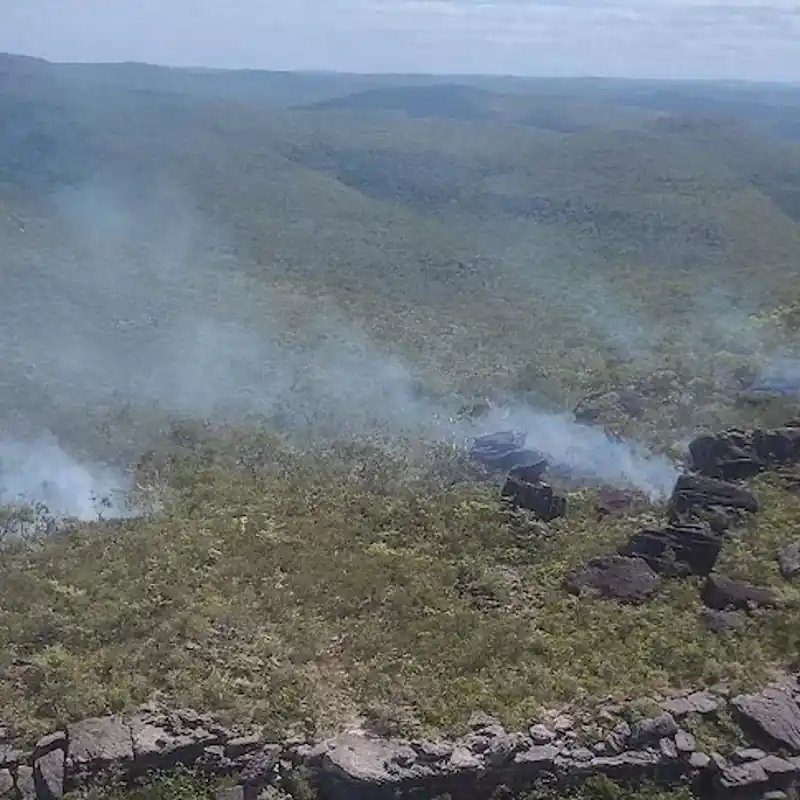

A fire management trip in Cape York has turned into a major cultural heritage moment after Indigenous rangers identified a previously undocumented Aboriginal rock art site in the remote Biniirr National Park region of Far North Queensland.
The discovery, made during planned burning work around protected cultural areas, has drawn attention to the growing importance of Indigenous-led land care in Australia. What began as preparation for a controlled burn led rangers into rugged country where engravings, described as animal footprint markings, were found among rocky ledges.
For the Waarnthuurr-iin rangers involved, the find was not simply an archaeological discovery. It was a direct connection to country, elders and ancestral knowledge. The site is now being carefully assessed, with traditional owners guiding how much information can be shared publicly and how the area should be protected.
Fire work reveals hidden Aboriginal heritage in Cape York
Cape York is already known for some of Australia’s most significant Aboriginal rock art landscapes, including the famous Laura region, where sandstone escarpments hold extensive cultural galleries. But large areas of the peninsula remain difficult to access, meaning many sites are still undocumented.
The newly found engravings were uncovered as rangers carried out fire planning in and around known cultural places. These “cool burns” are designed to reduce heavy fuel loads and lower the risk of severe wildfire. They also help open up country in a careful way, allowing rangers to inspect areas that may have been hidden by thick vegetation for years.
Traditional burning is not just a land management technique. For many Indigenous communities, it is part of a wider responsibility to care for country. When carried out at the right time and intensity, it can protect plants, animals, water sources and cultural sites from the damage caused by uncontrolled fires.
In this case, that work also helped reveal a new piece of cultural history. The engravings are believed to show animal footprints, a form of rock art that can carry practical, spiritual and seasonal meaning. Such markings may help identify where certain animals, foods or water sources can be found, while other sites may point to gathering places or areas of deeper ceremonial importance.
Aboriginal rock art across northern Australia is often described as a record written into the landscape. Unlike a museum object removed from its original setting, these engravings remain tied to the country around them. Their meaning depends on place, season, story and cultural knowledge passed through generations.
That is why the exact location of the Cape York site is not being made public. Keeping the area confidential helps protect it from damage, unwanted attention and disturbance. It also gives elders and cultural custodians time to decide what is appropriate to document, photograph or share.
Why the Cape York discovery matters
The find adds to a growing understanding that Cape York still holds many cultural places that have yet to be formally recorded. Researchers have long noted the region’s deep human history, with evidence of Aboriginal occupation in Australia reaching back at least 65,000 years. Information from Griffith University has also highlighted the significance of northern Australian rock art landscapes and the need for careful research in partnership with Traditional Owners.
Government land return and joint management programs have played an important role in improving access to country. Through these arrangements, First Nations rangers are increasingly leading conservation, fire management and cultural heritage work on their own lands. More time on country means more opportunities to identify, record and protect places that may have been overlooked by outside researchers.
The discovery also reinforces a wider lesson about conservation in Australia: cultural heritage and environmental management are deeply connected. A fire plan is not just about reducing vegetation. It can also involve mapping old camps, checking rock shelters, identifying sacred areas, protecting waterholes and listening to elders who understand how the landscape changes over time.
For archaeologists, each newly documented site can add valuable detail to the broader story of human life on the continent. For traditional custodians, however, the importance is more immediate and personal. These places are not relics of a vanished past. They are part of a living cultural system that continues to guide identity, responsibility and connection.
The newly discovered site is already facing threats. Rangers have raised concerns about pests, including pigs disturbing cave areas, along with wasp nests, vegetation growth, heat and the ongoing risk of wildfire. These issues show why early protection work is so important once a site has been identified.
Protecting rock art is often delicate. Too much public attention can increase the risk of vandalism or accidental damage, but too little management can leave sites exposed to fire, animals and weathering. The best approach usually depends on local cultural authority, scientific advice and long-term monitoring.
In Cape York, that work is now moving forward. The first step is documentation, followed by decisions about how to manage the site without disturbing its cultural value. Controlled burning may continue to play a role, but only as part of a broader plan shaped by rangers, elders and heritage specialists.
The discovery is also a reminder that some of Australia’s most important stories remain outside archives, textbooks and tourist trails. They are held in stone, in country and in the knowledge of the people who continue to care for those places.
As more Indigenous ranger groups gain access to remote areas through land management programs, further discoveries are likely. Each one adds depth to Australia’s understanding of its ancient cultural landscape, while strengthening the role of First Nations communities in protecting it.
The Cape York find may be new to official records, but for the people connected to that country, it belongs to a much longer story — one that continues to be read, respected and protected on the land itself.
You may like: Texas Zombie Oil Wells Surge 53% as Toxic Water Leaks Spark Crackdown

Make Swikblog your go-to source on Google for reliable updates, smart insights, and daily trends.