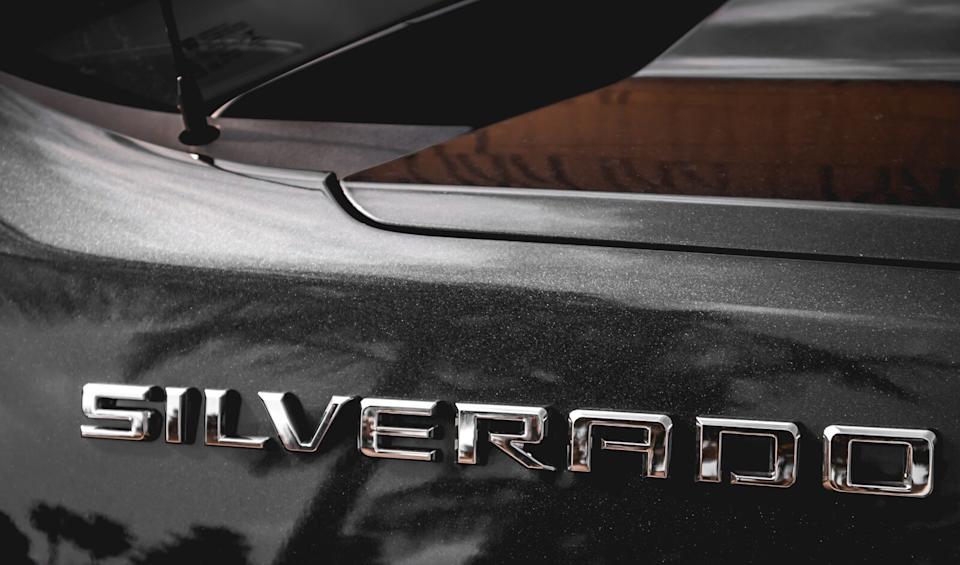

GM ends Silverado HD production for Chevrolet’s 4500HD, 5500HD and 6500HD medium-duty trucks as weak commercial demand forces General Motors to rethink part of its heavy-duty lineup. The decision affects some of the biggest Silverado-branded work trucks, including models used by towing fleets, contractors, utility operators and commercial buyers who need chassis cab vehicles rather than regular consumer pickups.
The Silverado 4500HD, 5500HD and 6500HD are expected to leave production after GM’s manufacturing arrangement with International Trucks comes to an end. These trucks were not regular Silverado pickups built for lifestyle buyers. They were heavier commercial vehicles powered by a 6.6-liter Duramax diesel V8 and paired with an Allison transmission, aimed at businesses that care more about uptime, towing capability, upfit flexibility and operating costs than luxury interiors.
The decision marks a significant retreat from a segment where Chevrolet had been trying to compete with Ford’s medium-duty lineup. According to recent industry reporting, GM’s Silverado medium-duty sales dropped sharply in the first quarter of 2026, with volume falling to just over 1,200 units. In a low-volume commercial segment, that kind of decline can quickly change the financial logic behind a product line.
For GM, the issue appears to be less about the Silverado name and more about the economics of building specialized work trucks at scale. Medium-duty commercial vehicles require engineering, certification, dealer support, parts supply and fleet-service commitments. When sales weaken, those costs become harder to justify, especially when production depends on an outside manufacturing partner.
Chevrolet’s Heavy-Duty Truck Strategy Is Changing
The Silverado name remains one of GM’s strongest assets in the pickup market, but the discontinued models occupied a very different corner of the business. The 4500HD, 5500HD and 6500HD were built for commercial buyers who needed chassis cabs for tow bodies, dump bodies, box trucks, utility equipment and other vocational uses.
That made them important to a smaller but highly practical part of the truck market. These were not the high-margin retail pickups that often dominate dealership lots and advertising campaigns. They were fleet tools, and fleet buyers tend to be more disciplined. Purchase decisions are driven by total cost of ownership, service access, payload needs and long-term reliability rather than brand image alone.
Chevrolet still lists its Silverado Medium Duty chassis cab lineup as a commercial offering, but the reported production exit signals that GM is narrowing its focus. Instead of continuing to push deeper into the Silverado-branded medium-duty space, the company appears more likely to rely on other commercial platforms and partnerships where costs and production risk may be easier to manage.
The change also shows how sharply the truck market has split. Consumer pickups continue moving upscale, with premium trims, larger screens, more technology and prices that can reach luxury-car territory. Commercial trucks operate under a different rulebook. Fleet buyers may delay orders, reduce volume or shift brands quickly when operating budgets tighten.
Factory Fallout Adds Pressure Beyond GM
The decision carries consequences beyond Chevrolet showrooms. Production of the Silverado 4500HD, 5500HD and 6500HD was tied to International Trucks’ Springfield, Ohio operation, linking GM’s product strategy directly to a wider manufacturing ecosystem. When a major automaker ends a low-volume program, suppliers, plant operations and local jobs can feel the pressure.
That factory connection gives this story a broader economic edge. A discontinued vehicle line is not only a product decision; it can also affect assembly schedules, supplier contracts, equipment planning and regional employment. For commercial truck customers, it may also raise questions about parts availability, long-term service support and future replacement options.
GM has not abandoned trucks. Far from it. The company still has a major presence in full-size pickups, SUVs and commercial vehicles. But this cut suggests the automaker is becoming more selective about where it wants to compete. A model line with weak demand, outside production exposure and lower consumer visibility becomes a natural target when management looks for cleaner margins.
Investors may view the move as part of a broader push to focus capital on stronger-return areas. For buyers, however, the loss of the largest Silverado work trucks reduces choice in a segment that already has fewer options than the mainstream pickup market. Ford’s F-650 and F-750 lineup now looks even more important for customers who want a traditional medium-duty truck from a major American brand.
There is also a brand question for Chevrolet. Silverado has long carried a strong work-truck identity, and removing the biggest commercial models narrows that identity at the upper end. The core Silverado pickup family remains central to GM’s business, but the exit from these larger chassis cab models makes the lineup less broad than it once appeared.
For fleet operators, the practical concern is timing. Businesses that depend on medium-duty Silverado trucks may need to plan replacement cycles earlier, review available inventory and consider alternative models before the production window closes. Upfitters that build bodies around those chassis may also need to adjust offerings as demand shifts toward other platforms.
Related on Swikblog: Read more auto and market coverage in our earlier report on GM stock and U.S. auto tariff pressure.
The end of the Silverado 4500HD, 5500HD and 6500HD does not mean Chevrolet is walking away from working buyers. It does show that the commercial truck market is becoming less forgiving. When demand weakens and production costs stay high, even a familiar name like Silverado is not enough to keep every model alive.

Make Swikblog your go-to source on Google for reliable updates, smart insights, and daily trends.