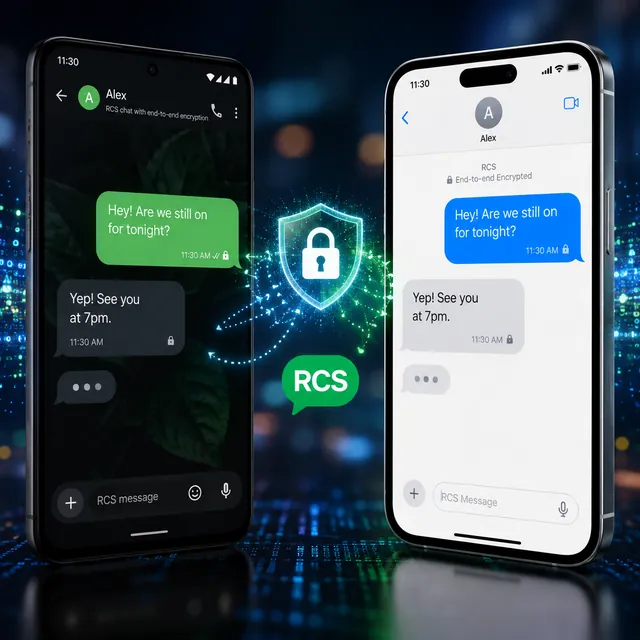

Google Messages is finally getting the kind of upgrade Android users have waited years to see. Google has officially started rolling out end-to-end encrypted RCS messaging between Android and iPhone devices, marking one of the biggest changes to default texting since the company launched Messages back in 2014.
The rollout arrives alongside Apple’s iOS 26.5 update, which adds encrypted RCS support for compatible iPhone users. While the feature may sound technical, the impact is simple: conversations between Android and iPhone users can now become significantly more private and modern compared to traditional SMS texting.
For years, Android-to-iPhone texting lagged behind apps like WhatsApp, Signal and Telegram because SMS lacked proper encryption and modern chat features. Whenever users switched between ecosystems, they often lost high-quality media sharing, typing indicators and stronger privacy protections.
That experience is now beginning to change.
Why Google Messages Needed This Update
Google has spent years pushing RCS, or Rich Communication Services, as the replacement for outdated SMS messaging. RCS adds modern messaging features such as:
- End-to-end encryption
- Read receipts
- Typing indicators
- Better group chats
- Higher-quality photos and videos
- Improved media sharing
Android users already had encrypted RCS conversations inside Google Messages when chatting with other Android devices. The problem appeared when conversations moved between Android and iPhone. Those chats often dropped back to older SMS technology, weakening both security and user experience.
Google repeatedly criticized SMS for its security weaknesses. According to Google’s security blog, SMS creates serious privacy gaps because messages can potentially be intercepted or exposed during transmission.
By bringing encrypted RCS messaging between Android and iPhone users, Google is trying to close that gap and make Google Messages more competitive against apps that already dominate secure communication.
Read More From Swikblog
Visit Swikblog HomepageDaisy Headcheese Listeria Alert 2026
WestJet Cancelled Flight Compensation Dispute Canada
Whitecourt Wildfire Alberta Evacuations
Apple Still Keeps iMessage At The Center
Despite supporting encrypted RCS, Apple is still protecting the strength of iMessage. The company made it clear that iMessage remains its preferred messaging system for communication between Apple devices.
That means Android-to-iPhone RCS chats may now support encryption, but they still appear as green bubbles instead of Apple’s well-known blue iMessage bubbles. The blue versus green bubble divide continues to matter heavily in markets like the United States, where iMessage remains deeply tied to Apple’s ecosystem identity.
Even so, the privacy improvement is meaningful. Users who simply want secure conversations without downloading another messaging app now have a stronger default option directly inside their phone’s built-in Messages app.
Google executives also signaled how important this launch is for the company. Android ecosystem president Sameer Samat described the rollout as an “amazing milestone,” while Google CEO Sundar Pichai shared the announcement publicly.
The company understands that messaging apps are no longer just communication tools. They are part of the broader battle around ecosystem loyalty, privacy and daily digital habits.
Can Google Messages Challenge WhatsApp?
The bigger question is whether encrypted RCS is enough to change user behavior. WhatsApp remains dominant across Android markets because it already offers encrypted messaging across platforms with massive global adoption.
Still, Google Messages now has a much stronger position than before. Many Android devices already ship with Google Messages as the default app, including Samsung smartphones. That gives Google direct access to billions of users without requiring additional downloads.
The timing also matters because cybersecurity concerns continue to grow worldwide. Mobile scams, phishing attacks and fake delivery texts have become increasingly common. Encryption cannot stop users from clicking dangerous links, but it does make message content itself harder to intercept.
Swikblog recently covered another major cybersecurity incident in China Data Breach Shock: 10 Petabytes of Military Secrets Allegedly Exposed, highlighting how digital privacy and secure communication are becoming central concerns for both governments and consumers.
Google’s latest messaging push also reflects a larger industry trend. Companies are now treating privacy as a mainstream smartphone feature instead of a premium extra. Messaging security has become part of everyday user expectations, especially as people increasingly use phones for banking, work, verification codes and personal conversations.
For Android users, this may be the most important part of the update. They no longer need to rely entirely on third-party apps just to get a safer cross-platform texting experience with iPhone users.
After 12 years, Google Messages is no longer only trying to replace SMS. It is trying to become a serious modern messaging platform capable of competing in the broader battle for secure communication.

Make Swikblog your go-to source on Google for reliable updates, smart insights, and daily trends.