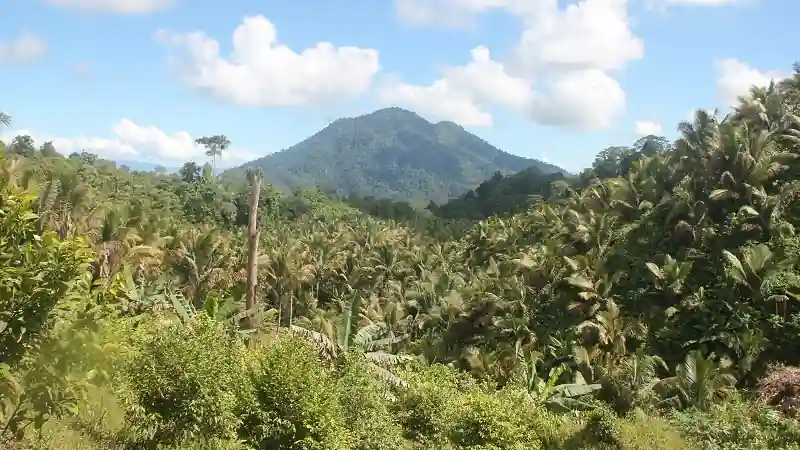

An early morning eruption at Mount Dukono in eastern Indonesia has triggered an urgent rescue operation after around 20 hikers were reported trapped near the active volcano, including nine Singaporeans and several Indonesian nationals.
The eruption took place at about 7:41am local time on Friday on Halmahera island in North Maluku province. Indonesia’s volcanology agency said the volcano sent ash roughly 10 kilometres into the sky, creating a dangerous situation for people still on or near the mountain.
Local rescue chief Iwan Ramdani said police and emergency personnel had been deployed to search for the hikers. At the time of the initial rescue effort, officials had not confirmed whether anyone had been injured, but teams were moving toward the volcano to locate those still unaccounted for.
Mount Dukono erupted this morning (7:40 WIT) in North Halmahera, North Maluku, Indonesia, and reportedly killed 2 foreign nationals (from China and Singapore). #Gunung #Dukono
— GeoTechWar (@geotechwar) May 8, 2026
The large blast sent ash columns up to 10km high. pic.twitter.com/nShH1Zakqf
Mount Dukono is not a quiet tourist peak. It is one of Indonesia’s most active volcanoes and has shown persistent volcanic activity for decades. The mountain, located in North Halmahera, is known for frequent ash emissions and explosive activity, which can make conditions change quickly even when the weather appears clear.
The danger was especially serious because the area had already been closed to visitors since April 17 after scientists detected increased volcanic activity. Indonesia’s Center for Volcanology and Geological Hazard Mitigation had advised tourists and climbers to stay at least 4 kilometres away from the Malupang Warirang crater.
Despite that warning, hikers were still reported near the summit when the eruption occurred. Local guide Lexi Djangu later posted video from the area showing the volcano erupting behind his group as they made their way down.
Djangu said there had been no eruption while they were at the summit, but he felt deep tremors and decided to descend with his guests. He said the three people in his group were safe, but added that many tourists were still at the summit as they were leaving.
“I hope the local tourists at the summit are all okay,” he said, according to reports from the scene.
The account highlights how quickly a volcanic climb can turn dangerous. Tremors can be an early warning sign that pressure is building beneath a crater, but hikers may have only a short window to move away from exposed terrain before ash, gas or debris becomes a threat.
Indonesia’s volcanology agency kept Mount Dukono’s alert level at the third-highest stage after the eruption. Agency head Lana Saria said the eruption could affect travel, although there were no immediate disruptions reported at that stage.
Officials also warned of the risk of volcanic mudflows if rain falls over fresh ash deposits. These mudflows, often called lahars, can move rapidly through slopes, valleys and river channels, carrying ash, rock and debris far from the crater area.
For nearby residents, the main danger is not only the eruption column itself. Fine volcanic ash can irritate the eyes and lungs, reduce visibility, contaminate water supplies and damage crops. When ash rises high enough, it can also become a concern for aviation because it may affect aircraft engines and flight routes.
Mount Dukono’s long history of activity makes it closely watched by scientists. The Smithsonian Institution’s Global Volcanism Program describes Dukono as a volcano with near-continuous explosive eruptions since 1933, making it one of the most persistent sources of volcanic activity in Indonesia.
Read More
Indonesia sits on the Pacific Ring of Fire, a zone where tectonic plates meet and generate frequent earthquakes and eruptions. The country has more than 120 active volcanoes, and communities across the archipelago live with regular alerts, evacuations and safety restrictions.
The incident at Mount Dukono is also likely to raise questions about how restricted volcanic areas are monitored and enforced. Adventure tourism remains popular across Indonesia, but active volcanoes can be unpredictable, especially when official warnings are already in place.
For climbers, the latest eruption is a reminder that official exclusion zones are not routine advice. They are based on seismic readings, gas emissions, ash activity and other signs that conditions around a crater may be unstable.
Emergency teams were continuing efforts to find the missing hikers and bring them down safely. Authorities urged visitors, residents and tour operators to avoid the crater zone and follow official guidance until volcanic activity eases.
For more updates on natural disasters, extreme weather and global breaking news, readers can follow Swikblog’s latest coverage.

Make Swikblog your go-to source on Google for reliable updates, smart insights, and daily trends.