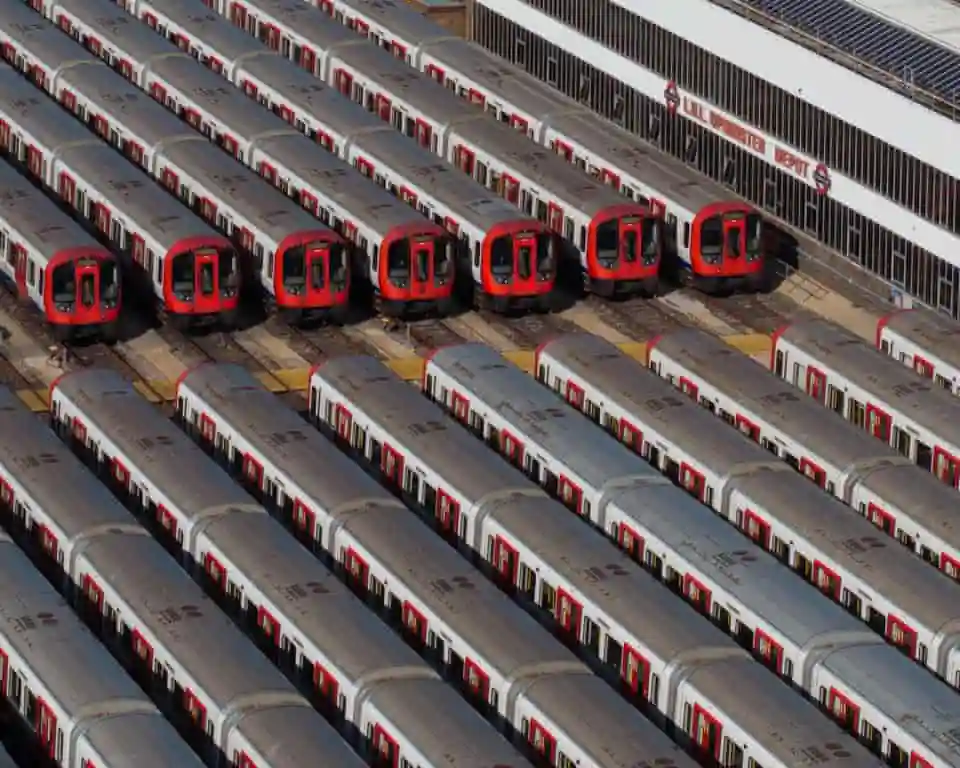

London commuters are navigating another challenging day on the capital’s transport network as a 24-hour Tube strike disrupts Underground services on Thursday, June 4. The industrial action follows unsuccessful negotiations between the Rail, Maritime and Transport (RMT) union and Transport for London (TfL), leaving thousands of passengers searching for alternative routes during one of the busiest travel periods of the week.
The strike began at 12:01am and is scheduled to continue until 11:59pm. While some Underground services are operating at reduced capacity, TfL has warned that passengers should expect significant disruption throughout the day, particularly during peak commuting hours. Early morning and late evening journeys are likely to be the most affected, with very limited services available before 6:30am and after 9pm.
Which Tube lines are closed today?
Although the disruption extends across the wider Underground network, several routes have been particularly affected by the walkout.
- Piccadilly line: No service
- Circle line: No service
- Metropolitan line: No service between Baker Street and Aldgate
- Central line: No service between White City and Liverpool Street
Most remaining Tube lines are running reduced services, with passengers facing longer waiting times, potential station congestion and occasional service alterations. TfL has advised travellers to check journey planners before travelling and allow extra time for essential journeys.
Despite the Underground disruption, several transport networks are operating normally. The Elizabeth line, Docklands Light Railway (DLR), London Overground and tram services remain available. However, these services are expected to be considerably busier than usual as commuters seek alternatives to affected Tube routes.
Why are Tube workers striking?
The dispute centres on proposed changes to drivers’ working arrangements. TfL is seeking to introduce a voluntary four-day working week that it says would provide train operators with an additional day off while maintaining contractual hours and improving operational flexibility.
Transport for London has argued that the proposal would align London Underground more closely with working practices used by other rail operators and could improve service reliability without increasing costs. Officials have also stated that drivers who prefer a traditional five-day schedule would still be able to retain that arrangement.
The RMT union, however, says many members remain concerned about the potential impact of the changes. Union representatives have cited worries over longer shifts, fatigue, reduced flexibility and the implications such changes could have in a safety-critical role where concentration and alertness are essential.
The latest walkout comes after previous strike action earlier this year caused widespread disruption across London. Planned strikes in May were suspended following discussions between both sides, while additional action scheduled for June 16 and June 18 has since been called off. However, with negotiations failing to produce a breakthrough, strikes on June 2 and June 4 went ahead.
Read More
The ongoing disagreement highlights the challenges facing London’s transport network as TfL seeks to modernise working practices while unions continue to push for safeguards around working conditions. Passengers looking for broader context on the dispute can read our guide to London Underground strike dates, affected lines and TfL travel advice.
For today’s travellers, the practical advice remains straightforward: check live service updates, allow extra travel time and consider alternative routes where possible. The latest status information is available through the official Transport for London website.

Make Swikblog your go-to source on Google for reliable updates, smart insights, and daily trends.