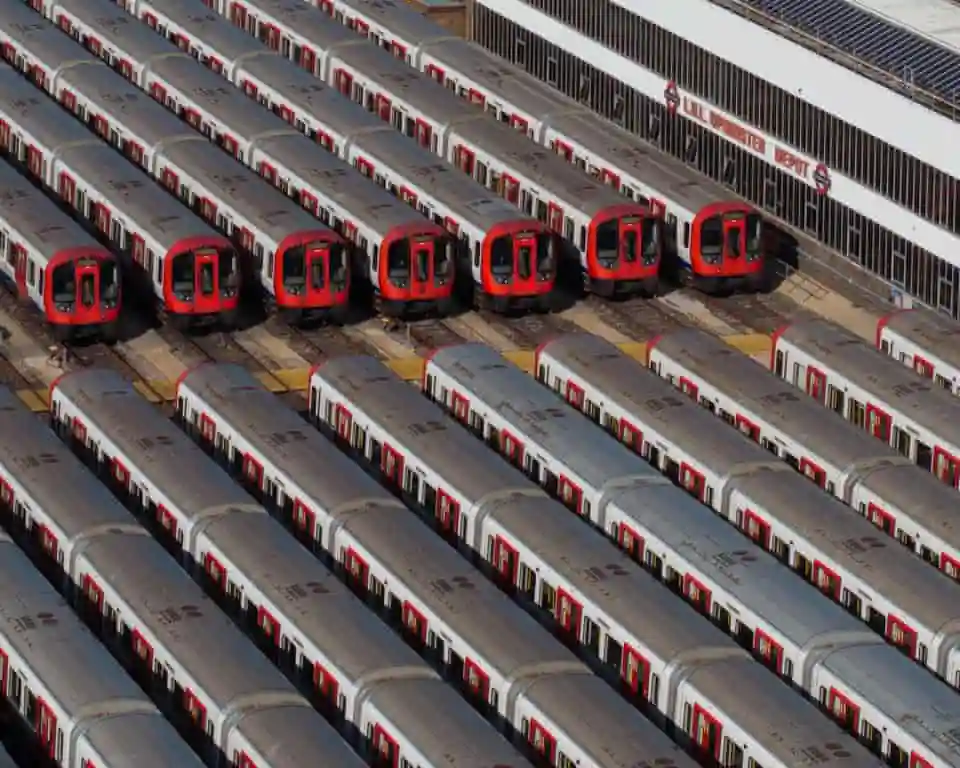

London Underground passengers may need to rethink their journeys next week as fresh RMT strike action threatens to disrupt Tube travel across four working days in May 2026. The walkouts are currently planned for two 24-hour periods, but the practical impact is expected to last longer because services will wind down before the strikes begin and restart gradually afterwards.
The first strike is due to begin at midday on Tuesday, 19 May 2026, with a second 24-hour walkout starting at midday on Thursday, 21 May 2026. That means disruption is likely on Tuesday, Wednesday, Thursday and Friday, even though the formal strike periods cover only two days.
The dispute involves RMT union members working as London Underground drivers. It follows earlier strike action in April and comes as the union remains opposed to Transport for London’s proposed four-day working pattern for Tube drivers. TfL says the proposal is voluntary and aimed at improving work-life balance, while the RMT argues the plan does not properly address drivers’ concerns over working conditions.
London Underground strike dates, times and service impact
Passengers should not treat the strike as a simple midday-to-midday closure. TfL has warned that services will begin reducing from mid-morning on strike days, while recovery on the following days is expected to take several hours.
- Tuesday, 19 May: Tube services are expected to run normally early in the morning, before disruption builds from mid-morning. The strike begins at midday, with disruption continuing through the rest of the day.
- Wednesday, 20 May: Many Tube services are expected to start later than normal, with disruption continuing into the afternoon before the network gradually recovers.
- Thursday, 21 May: A second 24-hour strike starts at midday. Services are expected to reduce before the strike begins and finish earlier than usual on lines that operate.
- Friday, 22 May: Morning journeys are likely to be disrupted again, with services expected to recover later in the day.
According to Transport for London’s official strike travel advice, passengers should check their route before travelling and allow extra time throughout the week.
The most serious disruption is expected on four Underground lines and sections. TfL says there is expected to be no service on the Circle line and Piccadilly line. The Metropolitan line between Baker Street and Aldgate is also expected to have no service, along with the Central line between White City and Liverpool Street.
Other Tube lines are expected to run, but not necessarily as normal. Service levels may change during the day, trains could be crowded, and knock-on delays are likely as passengers switch routes.
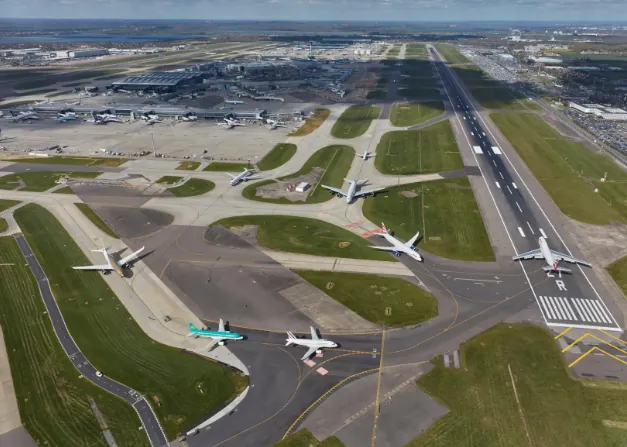
The Piccadilly line disruption may be especially important for passengers travelling to or from Heathrow Airport. Anyone planning an airport journey should check alternatives such as the Elizabeth line, Heathrow Express, coaches or National Rail before leaving, as demand on those services may rise sharply.
What still runs during the Tube strike?
TfL has said the Elizabeth line, London Overground, DLR, trams and buses are expected to operate. However, “running” does not mean “quiet”. These services are likely to carry more passengers than usual, especially during the morning and evening peaks.
Buses may also be slower if more people switch from the Tube to road-based travel. In previous strike periods, Londoners still travelled in large numbers, with many shifting to buses, bikes, walking routes and rail alternatives rather than cancelling journeys completely.
Bike hire could again become a popular fallback. During April’s Tube disruption, bike operators reported higher demand, with Lime seeing around 20% more trips than usual and Forest reporting a rise of roughly 35% to 50% in rush-hour hires.
Read More
- Visit Swikblog Homepage
- Maldives Diving Horror: Five Italians Die in Underwater Caves at Vaavu Atoll
- Sunday Times Rich List 2026: David Beckham Billionaire Sportsman
- Spaghetti House Closes All London Restaurants After 70 Years
- HSBC Halts $4 Billion Private Credit Investment After $400 Million Loss
- Australia Quarantines Cruise Ship Travellers After Hantavirus Outbreak
Passengers heading to major events should be particularly careful. The strike week coincides with busy visitor movement in London, including travel linked to the Chelsea Flower Show. Routes through central London, west London and airport corridors could be under extra pressure.
For daily commuters, the main advice is to plan both legs of the journey. A train that runs in the morning may not be available for the return journey once the strike begins. On Tuesday and Thursday, leaving earlier may reduce risk, but it will not remove disruption completely.
The RMT dispute is not only about next week. Further Tube strikes are already planned for 16 June and 18 June if no agreement is reached. That keeps the pressure on TfL and the union to find a settlement before London faces another round of disruption in early summer.
There is still a chance the May walkouts could be suspended. The Guardian reported that hopes had grown after sources close to the dispute suggested the RMT had shown interest in renewed talks. No final agreement has been announced, so passengers should continue preparing for disruption unless TfL confirms otherwise.
TfL’s position is that the four-day week proposal would be voluntary, with no reduction in contractual hours, and that drivers who want to remain on a five-day pattern would be able to do so. The transport body says a pilot on the Bakerloo line has support from some drivers and could bring benefits for staff and passengers.
The RMT has taken a different view, arguing that TfL needs to make fresh proposals rather than push ahead with changes drivers do not accept. The Aslef union, which represents a slight majority of London Underground drivers, has backed TfL’s proposal, making the dispute more complex than a simple management-versus-driver split.
For passengers, the practical takeaway is clear: avoid assuming the Tube will be reliable between Tuesday, 19 May and Friday, 22 May. Check live status before every journey, build in extra time, and consider routes that do not depend on the Circle, Piccadilly, Central or Metropolitan line sections most affected by the strike.
Swikblog has also covered previous London travel disruption, including the April 2026 London Tube strike update and wider transport news such as London’s £1.75 weekend bus travel plan.

Make Swikblog your go-to source on Google for reliable updates, smart insights, and daily trends.