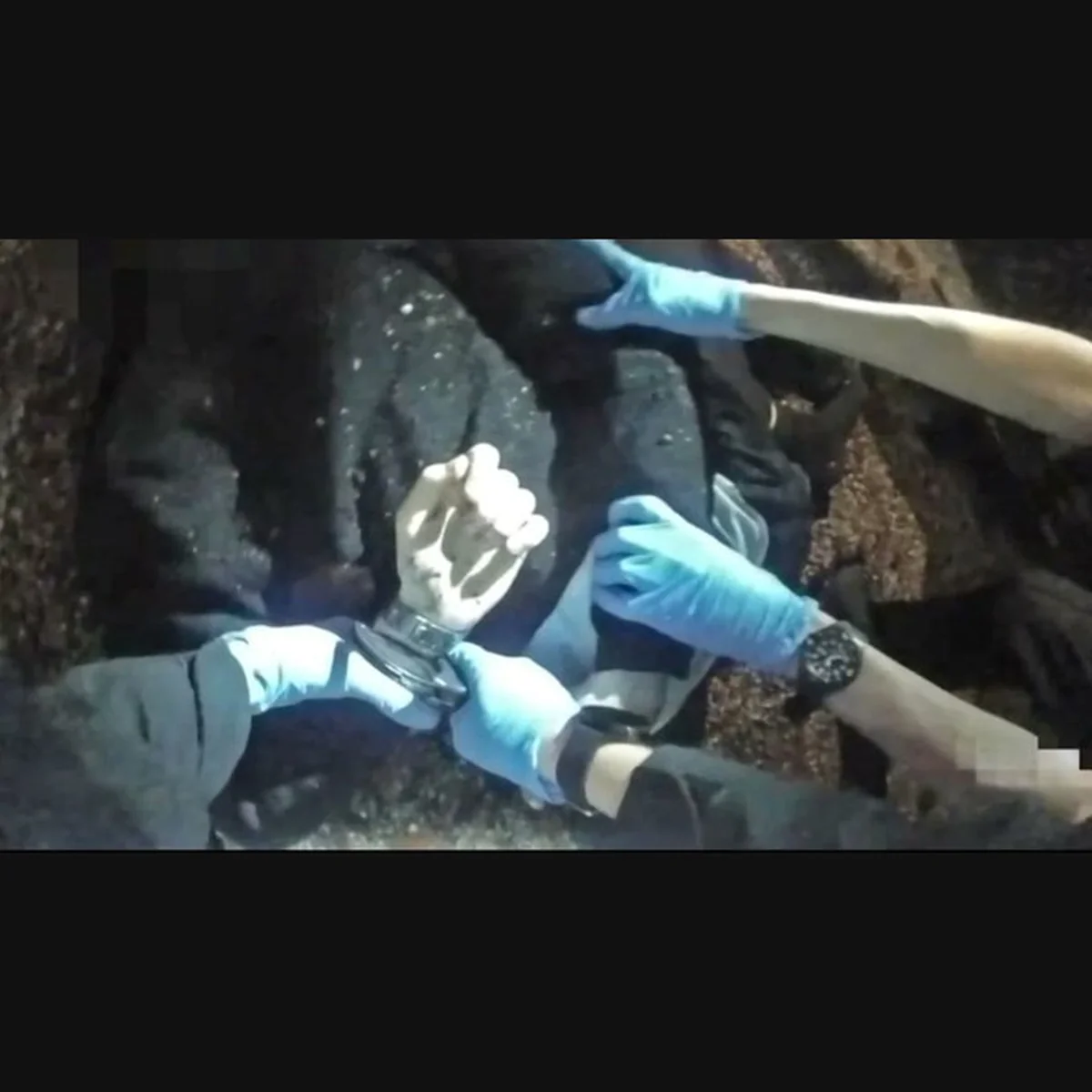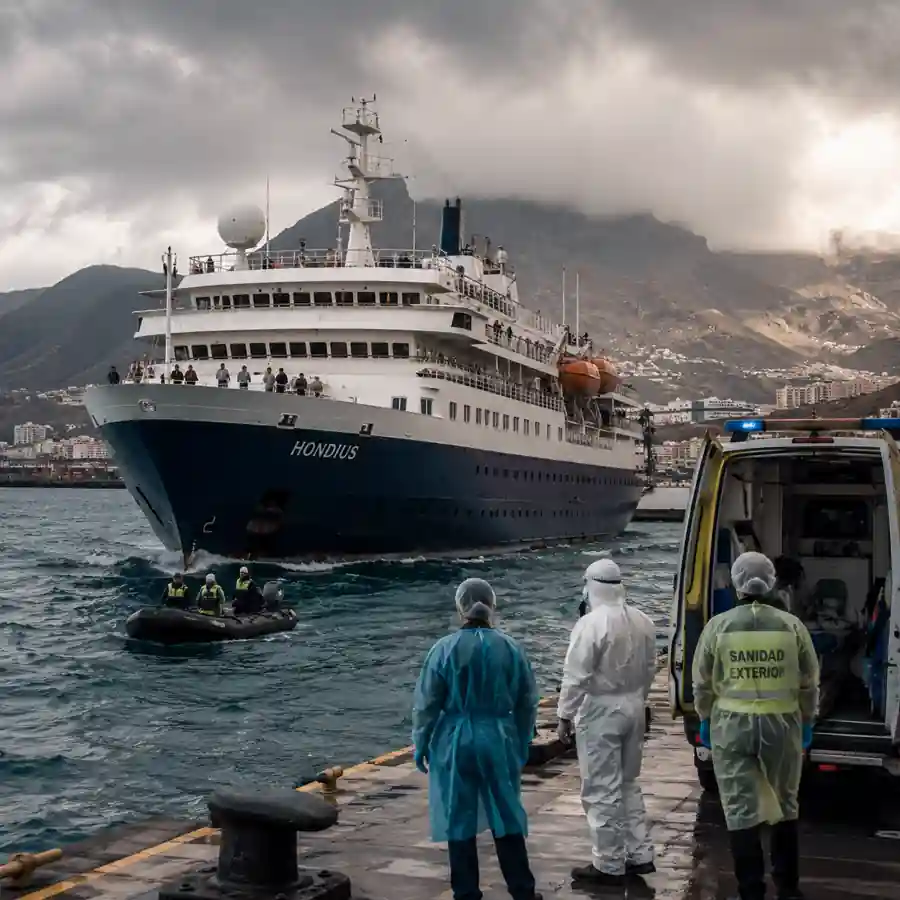

A hantavirus outbreak aboard the MV Hondius cruise ship has escalated into an international health emergency, forcing the vessel to divert toward Spain’s Canary Islands as authorities prepare a tightly controlled medical response and regional leaders raise concerns over passenger safety.
The case has drawn attention across Europe because it combines several high-interest issues: a luxury expedition cruise, a deadly virus, emergency evacuations, cross-border health coordination and a dispute between Spain’s central government and the Canary Islands administration.
The ship left Ushuaia, Argentina, on April 1 and later reported serious illness among passengers and crew. Three people connected to the voyage have died, while confirmed and suspected hantavirus cases have prompted medical evacuations and strict precautions on board.
For readers following the story, the central question is no longer only what happened on the ship. It is also how Spain, the Canary Islands and international health officials can manage the arrival of passengers and crew without creating unnecessary risk for residents, healthcare workers or travellers.
Why the MV Hondius outbreak is drawing global attention
Hantavirus is not a common cruise ship illness. It is usually associated with rodents and can infect humans when contaminated particles from rodent droppings, urine or saliva become airborne and are inhaled. That unusual source of infection has raised questions about where exposure may have happened during the long voyage.
Health officials have identified seven cases linked to the ship so far, including confirmed and suspected infections. One confirmed case involved a Dutch woman who later died in Johannesburg after being evacuated from St Helena. Another confirmed case involved a 69-year-old UK national who was flown to South Africa for treatment and was reported to be in critical but stable condition.
Two other deaths connected to the voyage have also been reported, including a German national who died while still on board the MV Hondius. Authorities have not confirmed that every death was directly caused by hantavirus, which is why the investigation remains important.
The concern increased after South African health officials linked the confirmed cases to the Andes strain of hantavirus. Most hantavirus infections do not spread easily between people, but the Andes strain has been associated with transmission through very close contact. That makes the cruise ship setting especially sensitive because people on board share cabins, corridors, dining areas and medical spaces for long periods.
Read More
Perth Bushfire: Herdsman Lake Fire Alert and Smoke Warning
Japan School Bus Crash Leaves Student Killed
New Zealand Universities Hit by Global Canvas Hack
The World Health Organization has said the wider risk to the public remains low, but the situation still requires careful handling because several people from different countries remain involved.
Canary Islands face difficult decision over docking
Spain’s health ministry has said the remaining passengers and crew should be taken to the Canary Islands, where they can be medically assessed, treated if needed and then helped to return home. The exact port has been under discussion, with Tenerife and Gran Canaria both mentioned as possible destinations.
That plan has been strongly challenged by Fernando Clavijo, the president of the Canary Islands. He argued that the regional government had not received enough technical information to support the docking plan or reassure the public.
Clavijo said the decision could not be accepted without clear safety criteria, adding that he wanted urgent talks with Spanish Prime Minister Pedro Sánchez. His position reflects the pressure facing island authorities, who must protect public confidence while also responding to a humanitarian situation at sea.
The Canary Islands are one of Spain’s most important tourism regions, and any health scare linked to a cruise ship can quickly become a wider economic and political issue. Local leaders are likely to be cautious because the islands depend heavily on visitor confidence, cruise traffic and international travel.
At the same time, Spain’s central government appears to view the archipelago as the nearest location with the medical capacity needed to manage the case properly. Cape Verde, where the ship was previously docked, was not considered able to carry out the full operation required for all passengers and crew.
Oceanwide Expeditions, the Dutch company operating the MV Hondius, said around 149 people from 23 countries remained on board under strict precautionary measures. The group includes more than 20 British nationals. The company also said two seriously ill crew members and another person were being evacuated before the ship continued toward Spanish waters.
Spanish authorities have outlined a controlled arrival process. Passengers and crew are expected to be examined in specially prepared areas, with dedicated transport arranged to avoid contact with the local population. Healthcare staff are also expected to work under protective protocols.
These details matter because the public reaction depends heavily on trust. If residents believe the process is improvised, anxiety can grow quickly. If officials clearly explain the medical pathway, isolation measures and evacuation plan, the risk of panic is much lower.
The MV Hondius case also highlights a bigger challenge for modern expedition cruising. Ships that travel through remote regions offer passengers rare experiences, but when a serious illness appears far from major hospitals, governments and operators must make rapid decisions across borders.
Unlike a standard outbreak in a city, a medical emergency at sea involves port access, aircraft evacuations, international passengers, local politics and public fear. In this case, those pressures have all arrived at once.
For now, the main priority is to get sick passengers and crew into proper medical care while keeping the risk to the Canary Islands population as low as possible. The final docking decision will be watched closely because it could shape how future cruise-related health emergencies are handled in Europe.
The MV Hondius outbreak is no longer just a shipboard incident. It has become a test of public health planning, political coordination and crisis communication at a time when even a small health risk can quickly become a major international story.
You may like: Charles Oliveira Beats Max Holloway to Win BMF Belt at UFC 326 Showdown

Make Swikblog your go-to source on Google for reliable updates, smart insights, and daily trends.