Severe storms are lining up for a multi-day run from Texas through the middle of the country and into the Great Lakes as early March opens with a sharp springlike surge. A shifting jet stream is expected to steer repeated storm systems along the same corridor, setting up a pattern that can deliver damaging winds, large hail, a few tornadoes, and heavy rainfall in rounds rather than a single hit-and-run event.
The headline risk is a one-two punch: severe weather as warm, humid air floods north, followed by flooding concerns as repeated downpours build on each other and push stream and river levels higher. Some communities will welcome the rain after persistent dryness, but the same rainfall can turn problematic if the storm track remains active into the second week of March.
Jet stream realignment opens an “atmospheric highway”
The setup begins with a pronounced shift in the upper-level pattern. A southward dip in the jet stream over the western United States and a northward bulge farther east can create a fast-moving pathway for storms to ride northeastward. In that configuration, systems emerging from the southern Plains can repeatedly track toward the Midwest and Great Lakes, reinforcing a corridor of unsettled weather.
That corridor matters because it allows warm, moisture-rich Gulf air to surge north across the Plains and Mississippi Valley. Each new storm can tap the same moisture supply, producing periods of heavy rain and thunderstorms, followed by colder air pressing in behind the system. The repeated clash of air masses is what elevates the severe-weather potential and increases the odds that rainfall totals add up quickly over multiple days.
Where tornado risk and severe storms could focus first
As the first waves move through, the risk zone can include parts of the southern Plains and the mid-Mississippi Valley. Some areas may see a threat of severe thunderstorms capable of producing damaging gusts and hail, and where storm timing and ingredients line up best, isolated tornadoes can’t be ruled out. The exact placement of the highest risk can shift from one day to the next because each storm system can behave differently, even within a similar overall pattern.
One early focal area for stronger storms can extend from portions of Oklahoma, Kansas, Missouri, Arkansas, and north Texas, where warm, humid air can meet stronger winds aloft. If storms develop in the right window, quick spin-ups are possible. If storms arrive too early or too late relative to the peak warmth and moisture, the main hazards can skew more toward gusty winds and hail than tornadoes.
Heavy rain may start as drought help, then turn into flood trouble
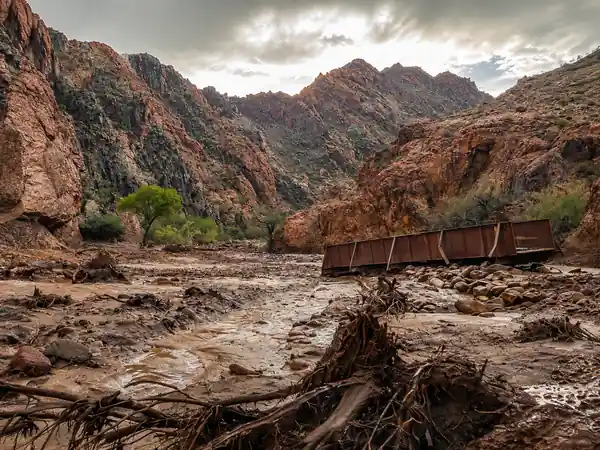
Repeated thunderstorms can drop intense rainfall rates that trigger localized urban flooding, especially in areas with poor drainage. Early in the pattern, dry ground may soak up a portion of the rain, providing meaningful drought relief. But if additional storm rounds follow, the risk shifts: once soils begin to saturate, runoff increases and flash flooding becomes easier to trigger.
That transition can be fast. The first soaking may be mostly absorbed, then a second or third round can overwhelm creeks, low-lying spots, and city streets. Over time, runoff can feed secondary rivers, raising the possibility of significant rises that take days to crest. This is the type of pattern where flooding impacts can expand beyond the hardest-hit thunderstorm zones, especially across the larger basins that drain into the Ohio and Mississippi river systems.
Snowmelt and rainfall could combine for bigger river rises
Another complicating factor is the late-winter backdrop. As warm air surges north, thaws can begin in parts of the Midwest and Great Lakes region. If a warmup coincides with heavy rain, meltwater can add to runoff. In some river-prone areas, that combination increases the chance of rapid water-level jumps and lingering high water downstream.
Cold air is still close enough that swings remain possible, especially farther north and east. If colder air returns between storm systems, it can slow melting for a time. But periodic warm spells can still occur, and rainfall on top of thawing snowpack is a classic recipe for higher river levels.
Florida and parts of the Southeast may miss out on meaningful rain
While the central corridor turns wetter, the Southeast may see fewer opportunities for soaking rain early in March if high pressure over the western Atlantic blocks storm systems from digging far enough south and east. That matters for drought and wildfire risk: persistent dry weather can worsen conditions quickly, especially where vegetation is already stressed.
If the storm track stays focused from Texas through the Ohio Valley and Great Lakes, the Southeast can end up on the edge of the action—close enough to feel some changes in wind and temperature at times, but not close enough to cash in on widespread rainfall. In that case, the longer-term concern becomes increasing dryness and a higher risk of brush fires and wildfires as March progresses.
What to watch in the first half of March
1) Storm frequency: The biggest risk escalator is repetition. One storm can be manageable; multiple storms in a short window can stack impacts.
2) Timing of peak warmth and storms: Severe risk rises if storms arrive during the warmest, most humid part of the day.
3) Flooding signals: Rising creeks after the first storms can be an early clue that later rounds may produce faster flooding.
4) Northern thaw windows: Warmups in the Midwest and Great Lakes paired with rainfall can raise ice-jam and river concerns in vulnerable spots.
For additional context on the evolving setup and its potential impacts, see AccuWeather’s severe weather outlook.

Make Swikblog your go-to source on Google for reliable updates, smart insights, and daily trends.