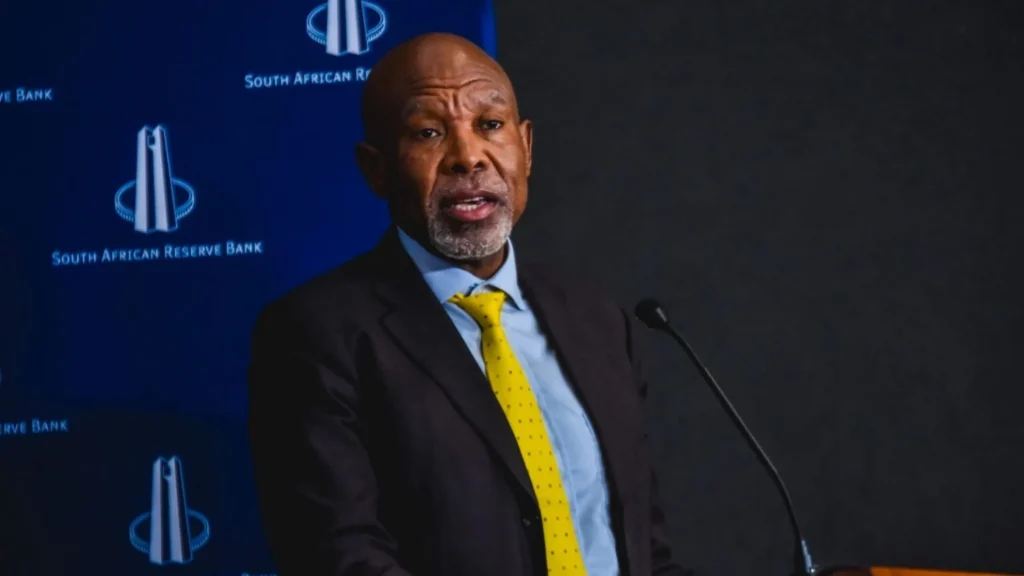

South Africa’s interest rate outlook has taken a sharp turn, with the South African Reserve Bank raising the repo rate by 25 basis points to 7.0% and lifting the prime lending rate to 10.50%. The move adds fresh pressure on households, homeowners and businesses at a time when the economy was only beginning to show early signs of recovery.
The rate hike was not a routine policy adjustment. It came after a split decision by the Monetary Policy Committee, where four members supported higher rates and two preferred no change. That division reflects the difficult position facing the Reserve Bank: inflation risks are rising again, but the economy is not strong enough to absorb a long period of tighter financial conditions without pain.
At the beginning of the year, many borrowers were looking for rate cuts. Inflation appeared more controlled, and South Africa seemed to be moving closer to a softer monetary policy cycle. That expectation has now been disrupted by the Middle East crisis, which has pushed global oil prices higher and created new risks for fuel, food and transport costs.
The biggest shock has come through energy markets. Iran’s closure of the Strait of Hormuz, a route used for roughly 20% of global oil flows, has raised fears of a deeper supply disruption. For South Africa, which is highly exposed to fuel price changes, the effect has been immediate. Fuel prices rose 11% in April, helping push headline consumer inflation to 4.0%.
That inflation reading matters because it sits near the upper end of the Reserve Bank’s tolerance band around its new 3% target. SARB now expects headline inflation to average 4.4% in 2026 and 3.7% in 2027 before returning closer to target. The concern is that higher fuel prices may not remain limited to petrol stations. Transport costs can feed into food prices, fertiliser expenses and the broader cost of moving goods across the country.
For consumers, the decision means debt becomes more expensive again. Homeowners with variable-rate bonds, vehicle finance customers and people carrying credit card debt are likely to feel the impact first. A prime rate of 10.50% raises monthly repayment pressure, leaving less disposable income for groceries, school fees, transport and savings.
Businesses are also exposed. Higher borrowing costs can delay investment decisions, reduce hiring appetite and make working capital more expensive. This is one reason the Reserve Bank lowered its growth forecast for the next two years, even as Governor Lesetja Kganyago acknowledged that parts of the economy had recently shown signs of life.
Those positive signs include a better outlook from Moody’s, stronger terms of trade and reform progress from the state. But the central bank’s message was clear: the oil shock has arrived at a fragile moment. South Africa’s recovery had momentum, but it was not strong enough to ignore a sudden jump in inflation risk.
Kganyago warned that the country now faces a difficult mix of higher global uncertainty and reduced disposable income. In practical terms, that means households may spend less, companies may invest more cautiously and economic growth could slow just as borrowing costs rise.
The Reserve Bank also highlighted climate-related risks after recent floods caused severe localised damage in the Western Cape, Eastern Cape and North-West provinces. While these events are separate from the oil shock, they add another layer of uncertainty for food production, infrastructure and regional economic activity.
The more important signal for markets is that further rate hikes remain possible. SARB’s Quarterly Projection Model currently points to one hike this quarter, followed by easing later as inflation falls. However, the bank also tested several risk scenarios, and each one produced higher inflation, weaker growth and additional policy tightening.
In one scenario, a longer Middle East crisis keeps the Strait of Hormuz under pressure, pushing fuel and food prices higher while weakening the rand. In another, El Niño brings drought conditions that raise agricultural costs. A third scenario looks at larger inflation shocks that move faster than normal forecasts can capture.
The most severe case combines these risks and sees inflation peak above 6%, which could require three additional rate hikes. Even the prolonged Strait closure scenario points to inflation of around 5% and two more hikes than the baseline.
That is why this decision is bigger than a single 25 basis point move. The Reserve Bank is warning that South Africa may be entering a more uncertain inflation cycle, where global energy shocks, weather risks and currency weakness can quickly change the policy path.
Read More
Readers can track official monetary policy updates through the South African Reserve Bank newsroom. For related global central bank coverage, read Swikblog’s report on how the Bank of Canada’s rate outlook is being reshaped by rising oil prices.
For now, South Africans should not view the latest hike as an isolated decision. It is a warning that the inflation fight has become harder again. If oil prices remain elevated, food costs rise further or the rand weakens, the pressure on borrowers could last longer than many households expected just a few months ago.

Make Swikblog your go-to source on Google for reliable updates, smart insights, and daily trends.