
Updated: July 6, 2026
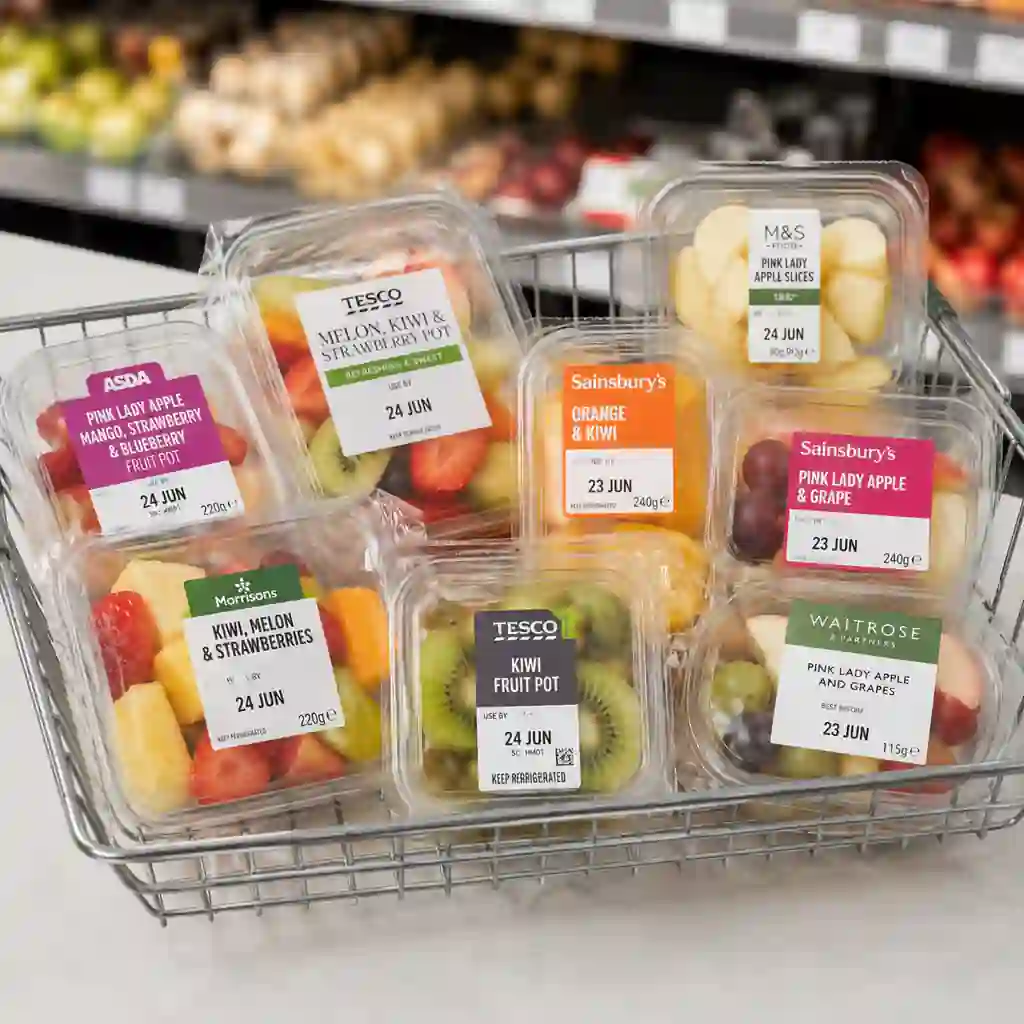
The Food Standards Agency (FSA) has issued a UK-wide food recall after a supplier identified a possible Salmonella contamination risk in apples and kiwi fruit used in several ready-to-eat fruit packs. The affected products were sold by Tesco, Asda, Morrisons, Sainsbury’s, Marks & Spencer and Waitrose.
The recall covers 13 prepared fruit products with use-by or best-before dates of June 23 and June 24, 2026. Although those dates have passed, shoppers are still being advised to check fridges and freezers in case any affected packs were stored for later use.
The products were supplied by fresh produce company PrepWorld. The recall was launched as a precaution after a potential issue was found during food safety checks. Customers who have any of the listed products should not eat them and can return them to the store where they were bought for a full refund.
Fruit Products Included In The Recall
The recall applies only to the specific products and date codes listed in the official notice.
Asda
- 220g Pink Lady Apple, Mango, Strawberry & Blueberry Fruit Pot
Morrisons
- 220g Kiwi, Melon & Strawberries
Tesco
- 250g Melon, Kiwi & Strawberry Pot
- 125g Melon, Kiwi & Strawberry Pack
- 100g Kiwi Fruit Pot
- 290g Fruit Kebabs
Sainsbury’s
- 220g Melon, Kiwi & Strawberry Pot
- 240g Orange & Kiwi Pack
- 240g Pink Lady Apple & Grape Pack
Marks & Spencer
- 90g Café Pink Lady Apple Slices
- 90g Pink Lady Apple Pack
- 225g Pink Lady Apple Slices
Waitrose
- 115g Pink Lady Apple and Grapes Pack
No other supermarket fruit products have been named in this recall. Shoppers should check the product name, pack size and date marking before deciding whether a pack is affected.
Why Ready-To-Eat Fruit Can Carry Risk
Salmonella is often linked with raw poultry, eggs and undercooked meat, but it can also affect fresh produce if contamination occurs during growing, harvesting, washing, cutting or packing.
Prepared fruit packs are eaten straight from the container, which makes recalls more important. Unlike food that is cooked before serving, sliced fruit does not go through a final heating stage that could kill harmful bacteria.
When several supermarkets are affected at the same time, it usually means the products came through a shared supplier or production route. In this case, the affected items were linked to PrepWorld.
Symptoms Of Salmonella Infection
Salmonella infection can cause diarrhoea, stomach cramps, fever, nausea and vomiting. Symptoms may appear within hours or several days after eating contaminated food.
Most people recover without specific treatment, but some groups are more vulnerable to serious illness. Young children, older adults, pregnant women and people with weakened immune systems should seek medical advice if symptoms become severe or continue for several days.
Anyone with signs of dehydration, persistent diarrhoea or worsening symptoms should contact a healthcare professional.
Read More
What Shoppers Should Do Now
Anyone who bought prepared fruit from the affected supermarkets should compare the product name, pack size and date code with the recall details before eating it.
If the product matches the recall, do not consume it. Return it to the retailer for a refund or dispose of it safely. A receipt is not usually required for recalled food products.
The latest alert follows the Tesco and Sainsbury’s chutney recall over possible metal contamination, another example of a precautionary product withdrawal involving major UK supermarkets.
For the latest official recall notices and food safety guidance, visit the Food Standards Agency’s news and alerts page.

Make Swikblog your go-to source on Google for reliable updates, smart insights, and daily trends.