Donald Trump’s latest round of global trade tariffs has officially come into force at 10%, a rate lower than the 15% level he warned of over the weekend, offering partial relief to businesses while leaving lingering uncertainty across global markets.
The new levy took effect on February 24 after the U.S. Supreme Court overturned the president’s previous import tax framework last Friday. In response, Mr Trump signed an executive order enabling him to introduce fresh tariffs under Section 122 of the Trade Act of 1974, a mechanism that allows temporary duties for up to 150 days without requiring Congressional approval.
Lower Than Threatened, But Uncertainty Remains
Although the finalised 10% rate is below the 15% figure floated on Saturday via Truth Social, the measure still marks a significant intervention in global trade flows. The temporary tariff will remain in place until July 24, applying on top of existing most favoured nation duties.
For UK exporters, the lower rate brings a measure of short-term stability, but business groups warn the threat of escalation has not disappeared.
William Bain, head of trade policy at the British Chambers of Commerce (BCC), said firms may welcome the immediate reprieve but face growing difficulty planning production and pricing strategies.
“While a new 10% tariff rate, instead of the threatened 15%, will provide some relief, it shows how difficult it is for businesses to plan ahead,” he said.
Bain added that exporters are now grappling with unclear future cost structures, particularly for goods currently in production and destined for US markets months from now. Any shift back toward the higher 15% rate would tighten margins further and weigh on competitiveness.
Executive Order Bypasses Congress
Mr Trump’s new executive order effectively bypasses Congress, following the court’s decision to strike down earlier “reciprocal tariffs” introduced under emergency powers last April.
By invoking Section 122, the administration has re-established a 10% across-the-board import tax while retaining flexibility to raise it. The move underscores the administration’s willingness to act swiftly on trade without legislative hurdles.
Over the weekend, Mr Trump signalled that tariffs could rise to 15%, intensifying market jitters before Monday’s open.
UK Response: “Nothing Off the Table”
In London, Downing Street signalled it is closely monitoring developments. A spokesperson said “nothing is off the table,” raising the possibility of reciprocal measures against US goods and services if necessary.
However, the government emphasised its preference for “constructive engagement,” warning that an escalating trade war would ultimately harm businesses on both sides of the Atlantic.
At 15%, tariffs would represent an additional 5% burden on many exports to the US, though products covered under the transatlantic trade agreement negotiated between Sir Keir Starmer and Mr Trump would remain exempt.
You May Also Like
Markets React: Volatility Returns
Financial markets responded cautiously.
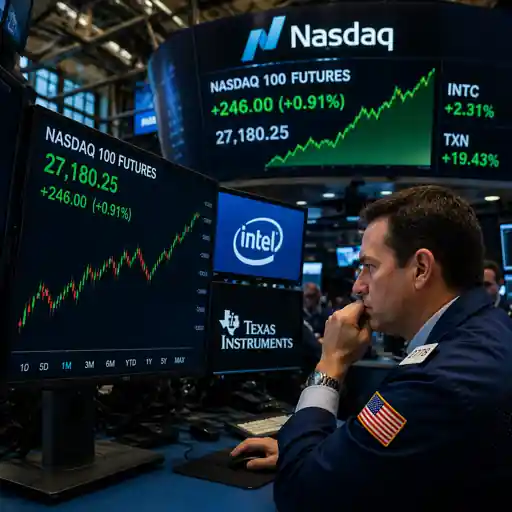
Global equities experienced sharp swings on Monday amid renewed trade tensions. In London, the FTSE 100 closed nearly flat, slipping just 2.15 points to 10,684.74, while the more domestically focused FTSE 250 fell close to 1%.
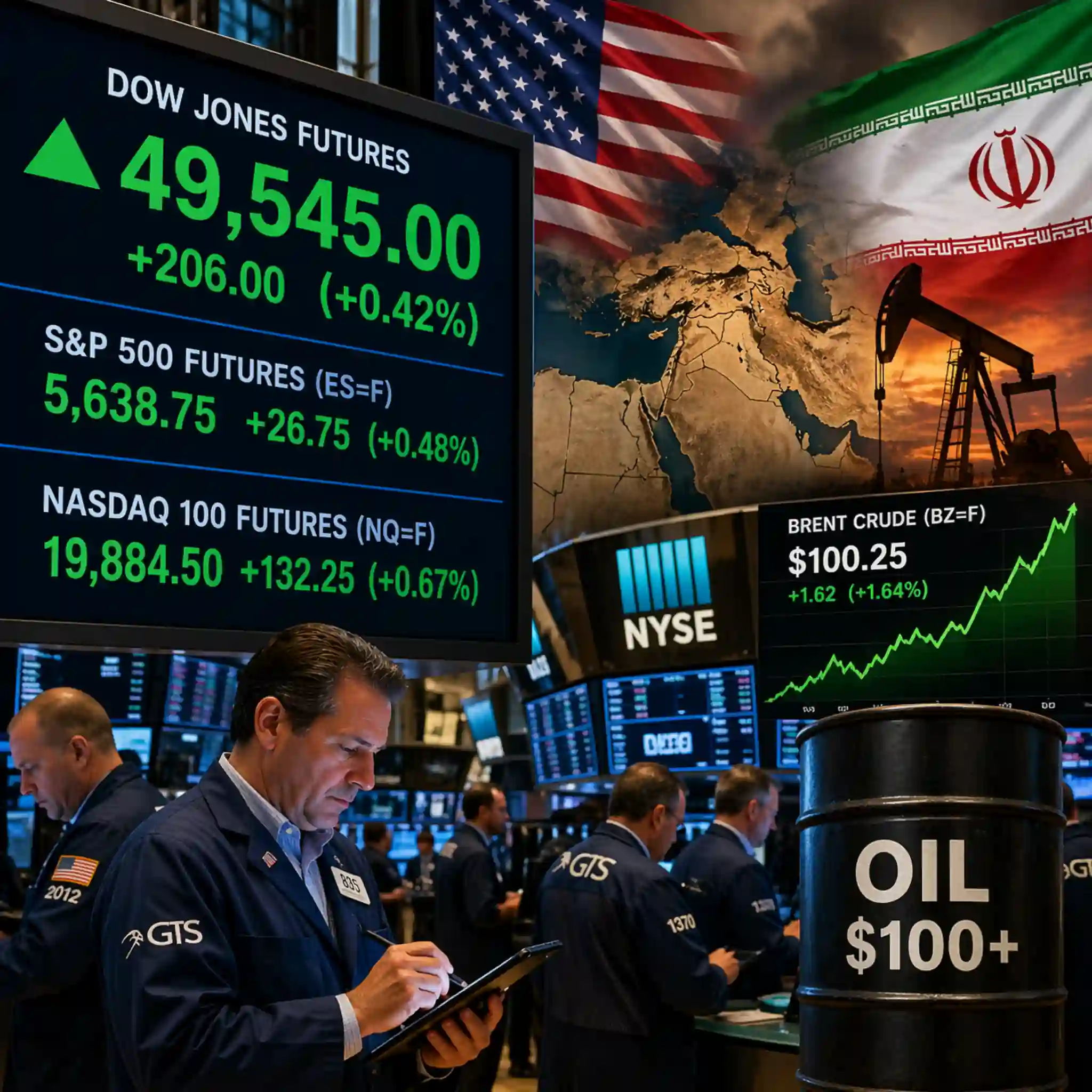
Early Tuesday trading saw the FTSE 100 down around 0.2%, tracking overnight losses on Wall Street. The Dow Jones Industrial Average fell roughly 1.7%, although analysts noted that part of the decline reflected concerns about artificial intelligence disruption in data and IT consulting sectors, alongside tariff anxiety.
The US dollar weakened during the volatility, prompting investors to rotate back into traditional safe havens, including gold.
Derren Nathan, head of equity research at Hargreaves Lansdown, said sentiment remains fragile.
“Investors are on edge as AI fear and tariff uncertainty hang thick in the air,” he said.
Economic Impact Still Unclear
While the 10% tariff rate avoids the immediate shock of a 15% escalation, businesses face a compressed 150-day window of policy clarity. Companies involved in complex supply chains must now factor in additional cost layers, hedging strategies, and potential retaliatory measures.
Economists warn that sustained tariff pressure could slow trade flows, dampen investment, and contribute to inflationary pressures if import costs are passed on to consumers.
For now, markets appear to be pricing in cautious relief rather than full optimism. With July 24 marking the expiry of the temporary measure, attention will shift to whether the White House extends, lifts, or increases the levy.
Until then, companies on both sides of the Atlantic are preparing contingency plans — balancing short-term stability against the risk that tariff tensions could flare once again.

Make Swikblog your go-to source on Google for reliable updates, smart insights, and daily trends.