
UK fuel costs are climbing rapidly, and businesses that depend on transport are feeling the pressure first. One logistics operator has reported a dramatic increase in costs, saying its weekly fuel bill has surged by £10,000 as pump prices climb across the country. The jump highlights how quickly fuel volatility can impact operating budgets, particularly for companies that rely heavily on diesel-powered fleets.
The surge is unfolding at the same time as the UK government pushes ahead with a major transparency initiative through its Fuel Finder system. The programme requires petrol stations to submit updated fuel prices within 30 minutes of any change, a move designed to make pump pricing more visible to consumers. However, the simultaneous rise in fuel costs is raising questions about whether transparency alone can protect businesses and households from sudden price shocks.
EDGEPoS automation connects forecourts to Fuel Finder
Henderson Technology has introduced a new automated reporting feature in its EDGEPoS retail system that connects forecourt tills directly to the government’s Fuel Finder service. The system automatically detects price changes from compatible fuel controllers, including Tokheim and Enabler 4 systems, and sends updates directly to the government database.
The integration ensures forecourts meet the regulatory requirement that fuel retailers report price updates within 30 minutes whenever prices change. Instead of manual submissions, EDGEPoS checks for price changes regularly and only sends data when a change occurs. The system also includes monitoring tools that alert retailers if a submission fails, helping forecourt operators maintain compliance.
According to Darren Nickels, Retail Technology Operations Director at Henderson Technology, the integration aims to remove administrative burden from retailers while ensuring accurate and timely reporting. The company has also chosen to offer the new functionality free of charge to existing EDGEPoS retailers, reducing the cost of adapting to the new transparency rules.
The Fuel Finder initiative is intended to allow drivers to compare fuel prices more easily and improve market transparency. More details about the broader fuel price reporting initiative can be found through the UK Government.
Rising fuel costs hit logistics and transport firms
While the technology behind price reporting is becoming more advanced, fuel costs themselves are moving sharply higher. A logistics firm based in Wakefield has reported that its weekly fuel bill increased by around £10,000 as diesel prices rose. The company said it is now monitoring where drivers refuel and keeping tanks topped up in an attempt to manage costs.
Such increases are not unusual when wholesale markets become volatile. Transport companies often buy fuel daily or weekly, meaning they feel price swings much faster than many other businesses. When pump prices rise quickly, logistics operators must either absorb the cost or eventually pass it on through higher delivery fees and transport charges.
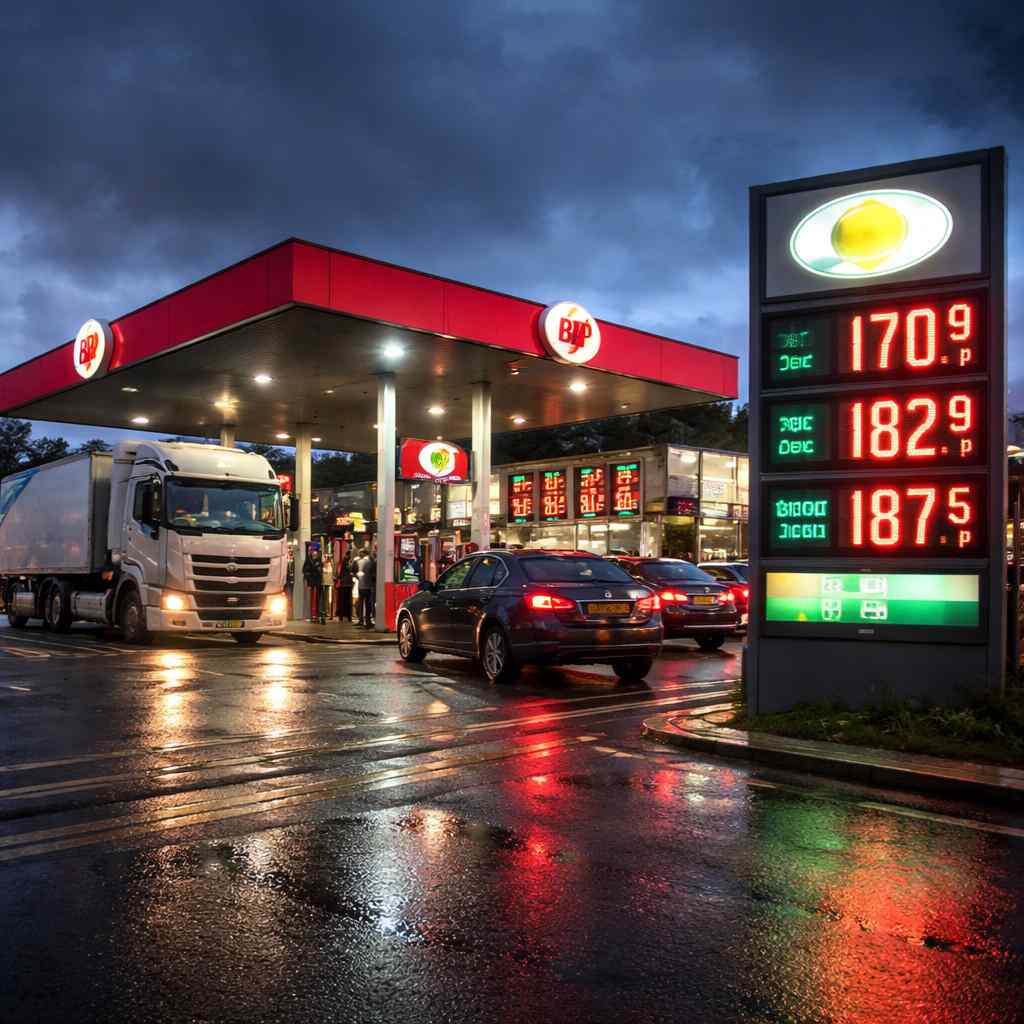
Recent forecourt prices illustrate the scale of the increase. At one Sheffield petrol station, unleaded petrol was reported at 170.9p per litre while diesel reached 182.9p per litre. These prices reflect broader market pressures that have pushed energy costs upward across Europe.
Crude oil surge drives pump price pressure
One of the biggest drivers of the recent spike has been a sharp movement in global oil markets. Reports indicate crude oil prices jumped from roughly $75 per barrel to nearly $120 earlier in the week. The surge has been linked to geopolitical tensions, including the escalating conflict involving the United States, Israel and Iran.
Because fuel markets react quickly to global supply risks, pump prices often rise soon after crude oil moves higher. This dynamic explains why logistics companies and commercial drivers frequently experience rapid increases in operating costs during periods of geopolitical instability.
Heating-oil households face severe price spikes
The effects of the volatile fuel market are also being felt outside the transport sector. Heating-oil users in parts of the UK have reported dramatic increases in delivery prices. In one case, a homeowner said the price of heating oil had more than doubled compared with earlier quotes.
These increases are particularly concerning because around 1.5 million UK homes rely on heating oil rather than mains gas. Many of these households are located in rural areas where energy options are limited and fuel deliveries are essential during colder months.
Complaints about the situation have already reached regulators. The Competition and Markets Authority has received reports that some heating-oil suppliers cancelled confirmed orders and later offered customers new delivery quotes at significantly higher prices.
Calls for stronger consumer protection
The situation has prompted political calls for stronger consumer safeguards. John Milne, Member of Parliament for Horsham, has urged the government to consider removing VAT on heating oil and introducing an Ofgem-style price cap to protect households exposed to sudden price spikes.
Supporters of such measures argue that transparency tools like Fuel Finder improve visibility but do not directly protect consumers when prices rise quickly. Without additional safeguards, vulnerable households and businesses may still face sudden financial pressure even if fuel price data becomes more accessible.
Transparency helps visibility but cannot stop volatility
The rollout of automated reporting through systems like EDGEPoS marks an important technological step for the fuel market. Automatic price detection from pump controllers and rapid reporting to the government database should reduce reporting delays and strengthen the reliability of public price data.
However, the wider market conditions show the limits of transparency on its own. While the Fuel Finder system can reveal when prices change, it cannot prevent wholesale market volatility or stop suppliers from adjusting prices when their costs increase.
For logistics companies facing rising diesel bills and for rural households dependent on heating oil deliveries, the current environment remains challenging. Transparency improves information, but addressing the financial impact of rapid fuel price increases may require stronger regulatory oversight and targeted consumer protections.
As the UK’s fuel reporting infrastructure becomes more advanced, policymakers and regulators will face a key question: whether transparency alone is enough, or whether additional measures are needed to ensure that fast-moving fuel markets remain fair for both businesses and households.

Make Swikblog your go-to source on Google for reliable updates, smart insights, and daily trends.