
Updated: December 10, 2025 • Washington, D.C.
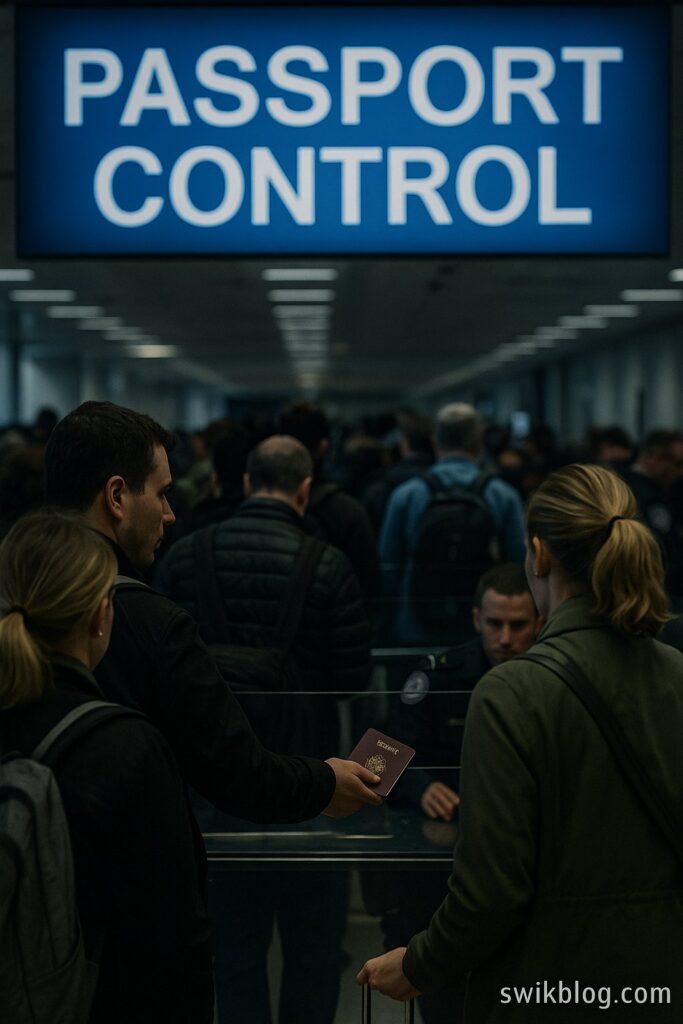
Tourists heading to the United States may soon face an unprecedented level of digital scrutiny, as the Department of Homeland Security moves forward with a proposal requiring all visitors to disclose five years of their social-media history before travel. The proposal expands the information foreign nationals must submit and marks one of the toughest vetting measures introduced under the Trump administration.
The requirements cover more than just social-platform usernames. Travellers would also be asked to provide their previous email addresses, phone numbers, and certain family-contact details from the same period. The rule is designed to apply to both traditional visa applicants and those entering through visa-free programmes such as ESTA.
The policy was published this week by US Customs and Border Protection and has now opened a formal 60-day public comment window. If implemented, officials would gain significantly expanded authority to review a visitor’s online presence, potentially lengthening processing times for millions of tourists.
Global Travel Industry Braces for a Decline
The travel and tourism sector is already warning of a chilling effect. Airlines, booking platforms and tour operators report that customers have begun questioning whether trips to the US may become “too intrusive” or legally risky. Several European agencies said they’ve seen a drop in inquiries from first-time travellers, citing concerns over digital exposure and the potential for misunderstandings.
Tourism boards in regions with historically strong links to the United States — including the UK, Australia and Canada — say the policy may lead to a measurable reduction in leisure travel in 2026. Some travellers are reportedly hesitant to hand over years of personal digital history for a short holiday or transit stop, while others fear old jokes, political posts or abandoned accounts could complicate entry.
Industry analysts warn the move may push travellers toward destinations with less aggressive screening practices, disrupting airline schedules and affecting major US tourist hubs from New York to Las Vegas. Several governments are monitoring the situation closely and preparing travel advisories once the final rule is confirmed.
What Travellers Will Be Required to Hand Over
Under the proposed rule, applicants would be expected to submit a wide range of personal digital information. According to the published notice, this includes:
- All social-media usernames used in the past five years
- Previous email addresses and associated accounts
- Old phone numbers and linked communication apps
- Any online aliases or secondary identities
- Certain family-member contact details from the same period
- Information about platforms that may no longer be active
Officials say the expanded requirements will help identify high-risk individuals and uncover behavioural patterns that might not appear in traditional paperwork. Privacy advocates warn it could create a sprawling database of sensitive information, raising concerns about how long this data would be stored and who could access it.
What Happens Next? The Timeline of the New Rule
For now, the measure remains a proposal. Here is the expected timeline:
- December 2025 – February 2026: Public comment period open for individuals, businesses and governments.
- March – April 2026: Department of Homeland Security reviews feedback and makes revisions.
- Mid-2026: Final ruling expected, with potential legal challenges from civil-liberty groups.
- Late 2026: Earliest possible implementation for all travellers, including ESTA visitors.
Until the final decision is issued, travellers are advised to follow updates from official US government channels and their home-country foreign offices, many of which are preparing guidance for citizens who regularly visit or transit through the United States.
Read more international reporting at The Guardian and BBC News.
For related analysis, see our coverage of recent broadcast and public-safety updates .

Make Swikblog your go-to source on Google for reliable updates, smart insights, and daily trends.