
Written by Daniel Harper
Key points
- Chris Rea has died aged 74, his family spokesperson said.
- His wife and two children said he passed away peacefully in hospital after a short illness, surrounded by family.
- Rea was best known for “Driving Home for Christmas” and hits including “The Road to Hell”, “On the Beach”, and “Fool (If You Think It’s Over)”.
- He lived for years with serious health issues, including pancreatic cancer and major surgery in the early 2000s.
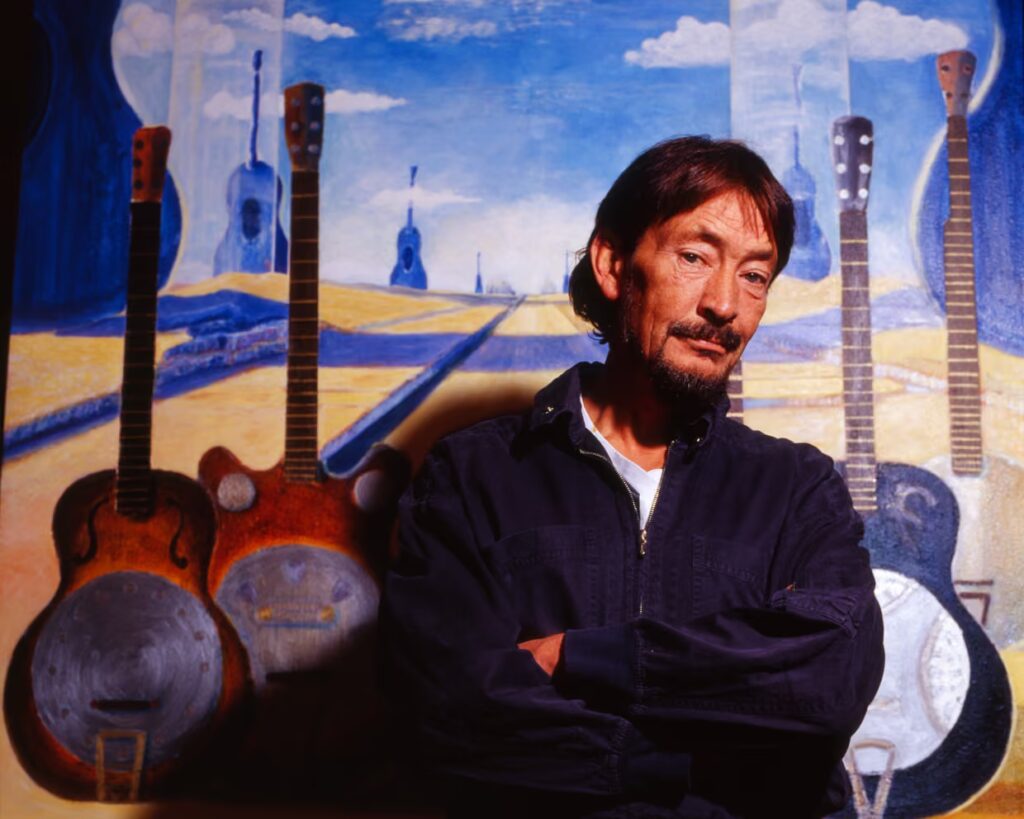
Chris Rea, the British singer-songwriter whose warm, road-worn voice became a fixture of both late-night radio and festive playlists, has died at the age of 74, a spokesperson for his family has said. In a statement issued on Monday, his wife and two children said he “passed away peacefully in hospital earlier today following a short illness”, surrounded by his family.
Rea’s name is inseparable from Driving Home for Christmas — a song that drifted slowly into the culture and then refused to leave. It became a perennial December soundtrack: not a big-belled carol, but a modest, gently sentimental portrait of travel, weather, and the shared relief of returning to familiar lights. Rea later admitted he tried to stop the track from being released, only to accept, with time, that it found its audience anyway.
Beyond the seasonal hit, Rea built a long career by blending blues instincts with pop craft and soft-rock polish. He found success across the late 1970s and 1980s with songs such as Fool (If You Think It’s Over), Let’s Dance and The Road to Hell, releasing a deep catalogue of albums that made him a durable live draw and a familiar voice in British music.
Born in Middlesbrough in 1951 to an Italian father and Irish mother, Rea often spoke about feeling like an outsider early on. His family ran an ice cream business, and the details of that upbringing stayed close to his public story — including the much-repeated anecdote that he took his driving test in his father’s ice cream van. That mixture of grit, humour and ordinary working life shaped the tone of his songwriting: grounded scenes, clear emotions, and a steady attention to the road ahead.
Rea’s later life was marked by significant illness. He was diagnosed with pancreatic cancer and underwent major surgery that removed parts of his pancreas and other organs, with long-term effects on his health. He also survived a stroke in 2016 and continued to work when he could, returning to record and tour with an emphasis on the blues — the musical root he often described as his true home.
In one widely discussed television appearance, Rea spoke candidly about how relentless the medical routine had become, describing the daily burden of managing his condition. Yet he also insisted he wasn’t frightened of dying, and framed his determination to keep recording as a gift to his family — a way of leaving behind the music that felt most honest to him.
Tributes are expected to follow as fans revisit songs that have long outlasted the eras that produced them — music that rarely chased fashion, but quietly stayed in the room. For more background on his life and career, see reporting from The Guardian.
Rea is survived by his wife Joan and their two daughters.
You may also like: Matt Damon Is Odysseus in Christopher Nolan’s ‘The Odyssey’ — Watch the First Trailer

Make Swikblog your go-to source on Google for reliable updates, smart insights, and daily trends.