
Updated: 7 January 2026, 13:10 GMT
LONDON
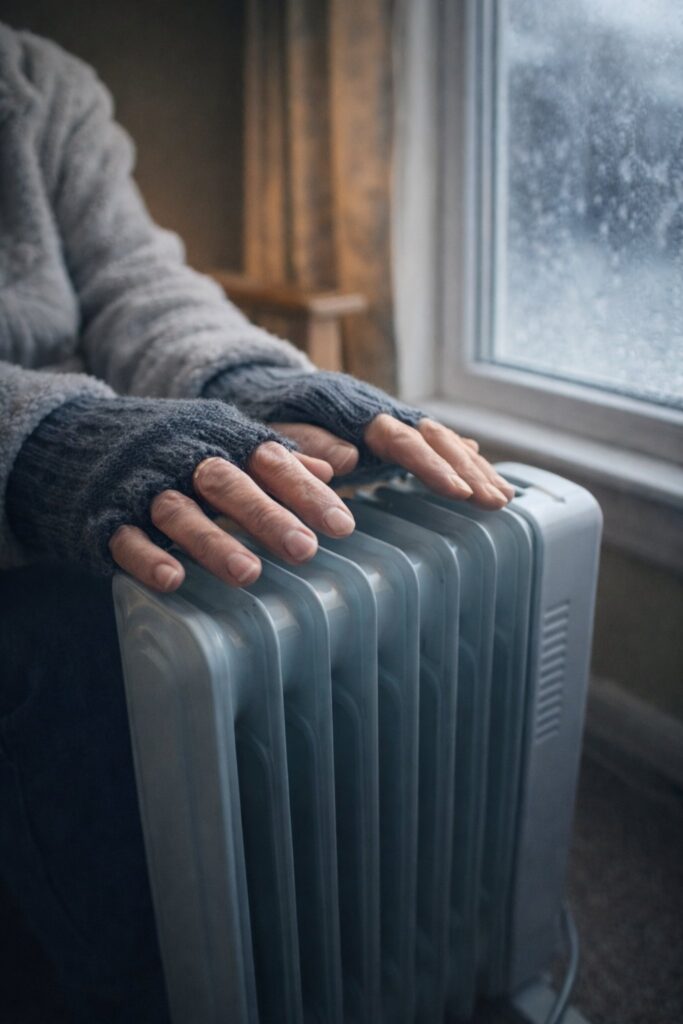
When temperatures drop, many people across the UK start searching the same thing: “Is my postcode getting the £25 Cold Weather Payment?” And the confusion is understandable. In the same cold snap, one area can trigger a payment while a nearby postcode gets nothing — and some places can even get paid more than once.
Here’s the clear explanation of how the system works, who qualifies, why it can feel unfair, and what you can do if you think you’ve missed out.
What is the £25 Cold Weather Payment?
The Cold Weather Payment is a £25 payment designed to help with extra heating costs during prolonged spells of very cold weather. It’s not something you apply for each time: if you’re eligible, it’s usually paid automatically when your area “triggers” the rules.
The most important detail: this payment is tied to temperature triggers in specific areas — not a national “it’s cold everywhere” decision. Official guidance and the postcode checker are published on GOV.UK’s Cold Weather Payment page.
Why some postcodes get £25 and others don’t
Cold Weather Payments are triggered by temperature data linked to a local weather station area. If your area meets the cold criteria, eligible households in that postcode area get paid. If it doesn’t meet the criteria — even if it feels freezing — there’s no trigger and no payment.
That’s why neighbouring places can see different outcomes. Weather can vary sharply over short distances due to: local elevation, wind exposure, coastal influence, and how temperatures are recorded in the station area assigned to your postcode.
The trigger rule in plain English
A payment is triggered when the average temperature in your area is recorded as 0°C or below for 7 consecutive days (based on the official measurements for that area). This is why a one-night frost or a couple of icy mornings often won’t be enough.
For readers following the weather closely, the Met Office warnings and advice can help explain when cold spells are expected to last long enough to cause widespread disruption — but remember, warnings don’t automatically mean payments.
Why some areas can get paid twice
Cold Weather Payments are paid per qualifying 7-day cold spell. If your area triggers again during a separate qualifying period, you can get another £25 payment. That’s why people sometimes see multiple payments in the same winter.
It can also explain why one town is “getting it twice” while another isn’t: the trigger is not about how cold it feels today — it’s about whether the official area average meets the threshold for the required length of time.
Who is eligible?
Cold Weather Payments are generally linked to receiving certain benefits and meeting specific conditions (for example, having a disability or a child under five, depending on the benefit). Common qualifying benefits can include support-related benefits such as:
- Universal Credit (in certain circumstances)
- Pension Credit
- Income Support
- Income-based Jobseeker’s Allowance (JSA)
- Income-related Employment and Support Allowance (ESA)
Eligibility rules can be detailed and depend on your situation, so it’s best to use the official checker and guidance rather than relying on social media posts.
How to check your postcode quickly
- Open the official Cold Weather Payment page on GOV.UK.
- Use the postcode checker to see whether your area has triggered.
- If it has triggered, check whether you receive a qualifying benefit and meet the conditions.
If your postcode shows as triggered and you’re eligible, payments are usually made automatically (often within around two weeks), paid into the same account as your benefit.
What to do if you think you should have been paid
If your area triggered but you didn’t receive anything, the most common reasons are:
- Your benefit status or qualifying conditions changed during the cold spell.
- You’re on a similar benefit but not the specific qualifying type (for example, contribution-based vs income-related).
- Your address/postcode details on the benefit system are out of date.
- The payment is still processing (especially during busy winter periods).
Start by double-checking the trigger result for your postcode and your benefit details. If it still doesn’t add up, contact the office that pays your benefit (for many people, that’s via Universal Credit online account journal or the relevant DWP contact route).
Don’t confuse it with other winter support
Cold Weather Payments are only one part of winter support. People often mix them up with:
- Winter Fuel Payment (age-related support, separate rules and timing)
- Warm Home Discount (a discount on electricity bills for eligible households)
- Cold Weather support in Scotland/Northern Ireland (which can follow different schemes and eligibility)
If you’re eligible for one, it doesn’t automatically mean you qualify for all of them — and each has its own criteria.
Why this keeps going viral every winter
Postcode-based payments are always going to create frustration: people compare notes with neighbours, family members, and social media, and it feels personal when someone else gets £25 and you don’t. The key takeaway is that Cold Weather Payments are built around measured area triggers and eligibility rules — not general winter misery.
If your area hasn’t triggered yet, it doesn’t mean it won’t. Cold spells can extend, and new triggers can be added as conditions develop. Checking the official postcode tool is the fastest way to stay updated.
You may also like: North London derby trending story on Swikblog
Written by Swikriti

Make Swikblog your go-to source on Google for reliable updates, smart insights, and daily trends.