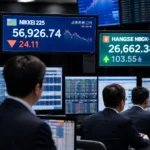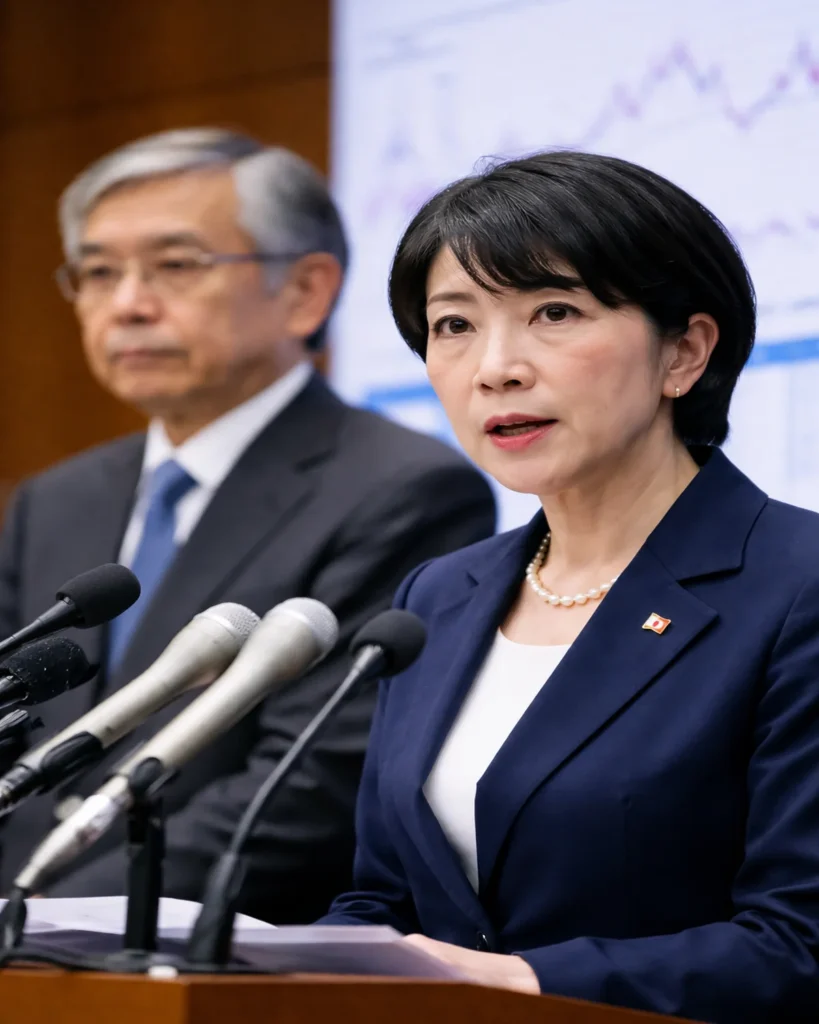

A first post-election sit-down between Japan’s new prime minister and the central bank chief is putting the yen, inflation pressure, and the next policy move back in the spotlight.
Japan’s Prime Minister Sanae Takaichi is set to hold her first bilateral meeting with Bank of Japan Governor Kazuo Ueda since the ruling party’s landslide election win, a diary entry that matters far beyond protocol. In markets, these meetings often function as a temperature check: not a formal policy forum, but a moment where priorities are clarified, risks are aired, and the tone between elected leadership and the central bank becomes readable in the yen’s next move.
The timing is the point. Speculation has been simmering that the BOJ could raise interest rates as soon as March or April as Japan grapples with higher living costs and lingering currency weakness. The yen has been a headline all its own: after flirting with the psychologically loaded 160-per-dollar area in January, it rebounded sharply, gaining nearly 3% last week in its biggest weekly rise since late 2024. On Monday, the dollar traded around 152.66 yen, a level that eases some import-cost pressure but doesn’t erase the broader inflation debate.
One link explains why the meeting is being watched so closely: investors are treating the sit-down as a potential window into the BOJ’s rate-hike timing, especially with the next decision window coming quickly.
This isn’t a fresh storyline so much as the next chapter. The last face-to-face talks between Takaichi and Ueda, held in November, were widely seen as laying groundwork for the BOJ’s December move, when the central bank lifted its short-term policy rate to 0.75%, a level not seen in roughly three decades. The message then was cautious normalisation: raise rates gradually, keep the landing smooth, and avoid shocking borrowers or spiking volatility in bond markets.
The election has changed the backdrop. Takaichi is known as an advocate of expansionary fiscal and monetary policies, and markets have long debated whether she would lean against early tightening to protect growth. During the campaign, comments interpreted as highlighting the “benefits” of a weaker yen were enough to keep currency traders on edge, because yen weakness can be a political headache at home even when exporters quietly enjoy the tailwind.
The BOJ, for its part, is operating under a set of constraints that are easy to state and hard to manage. Inflation has been running above the central bank’s 2% target for nearly four years, and policymakers have repeatedly signalled they are willing to keep raising rates as conditions allow. But raising rates in Japan is not a single-variable decision. It intersects with wage trends, consumer confidence, government debt dynamics, and the yen’s effect on import prices. A stronger yen can dampen imported inflation, while a weaker yen can intensify it quickly, especially in energy and food.
So what could realistically come out of Monday’s meeting? Not a decision, but a map of sensitivities. Traders will listen for hints about how much weight the government is putting on the cost-of-living narrative versus growth support, and whether a firmer yen reduces the urgency to act fast. Analysts also point to the calendar: markets have roughly priced an 80% chance of another hike by April, which means expectations are already elevated. When expectations run ahead of official guidance, small wording shifts can move currencies and rates.
- Rate path: March and April sit in a narrow window where the BOJ can act before the year’s broader policy agenda hardens.
- Yen sensitivity: The yen’s move from near-160 levels toward the low-150s changes the inflation optics, even if households still feel the lag.
- Political gravity: Japan’s law gives the BOJ independence, but history shows politics can still exert pressure when markets swing.
- Board influence: Two BOJ board seats are set to open this year, and the prime minister’s appointments could shape debate at the margin.
That last point is the quiet power line. Even without direct interference, leadership appointments matter because they influence how aggressively a committee leans into “normalisation” versus patience. If Takaichi selects members viewed as more growth-first or reflation-friendly, markets may infer a slightly higher bar for hikes. If she chooses pragmatic centrists comfortable with gradual tightening, it could reinforce the idea that the BOJ’s trajectory is steady, not political theatre.
For everyday readers, the stakes are surprisingly direct. Higher rates can lift borrowing costs, nudge mortgage and business lending higher, and shift how banks price credit. Yet higher rates can also support the yen and reduce imported inflation pressure, which is exactly what households notice at the supermarket and at the petrol station. The policy question is not whether inflation exists, but whether the economy can absorb tighter conditions without stalling—and whether the yen’s next swing forces the issue sooner than planned.
By the end of the meeting, don’t expect fireworks. Do expect a clearer sense of where the tolerance bands are: how much inflation discomfort the government will accept, how much yen weakness becomes politically untenable, and how confidently the BOJ believes it can keep lifting rates without destabilising growth. In a world where Japan’s policy shifts now ripple across global bond markets and carry trades, even a “routine” Tokyo meeting can land like a catalyst.
Japan’s Nikkei jumps after Takaichi election win
How politics, rates, and bank stocks shaped the immediate market reaction.
MUFG and Japan bank stocks rally recap
Why financials respond so sharply when the BOJ’s rate path comes back into focus.
Carry trade turbulence and the yen narrative
A broader view of how currency positioning can unwind fast when policy expectations shift.
Global markets context for FX and rates
How dollar strength and risk appetite feed into cross-asset moves.

Make Swikblog your go-to source on Google for reliable updates, smart insights, and daily trends.