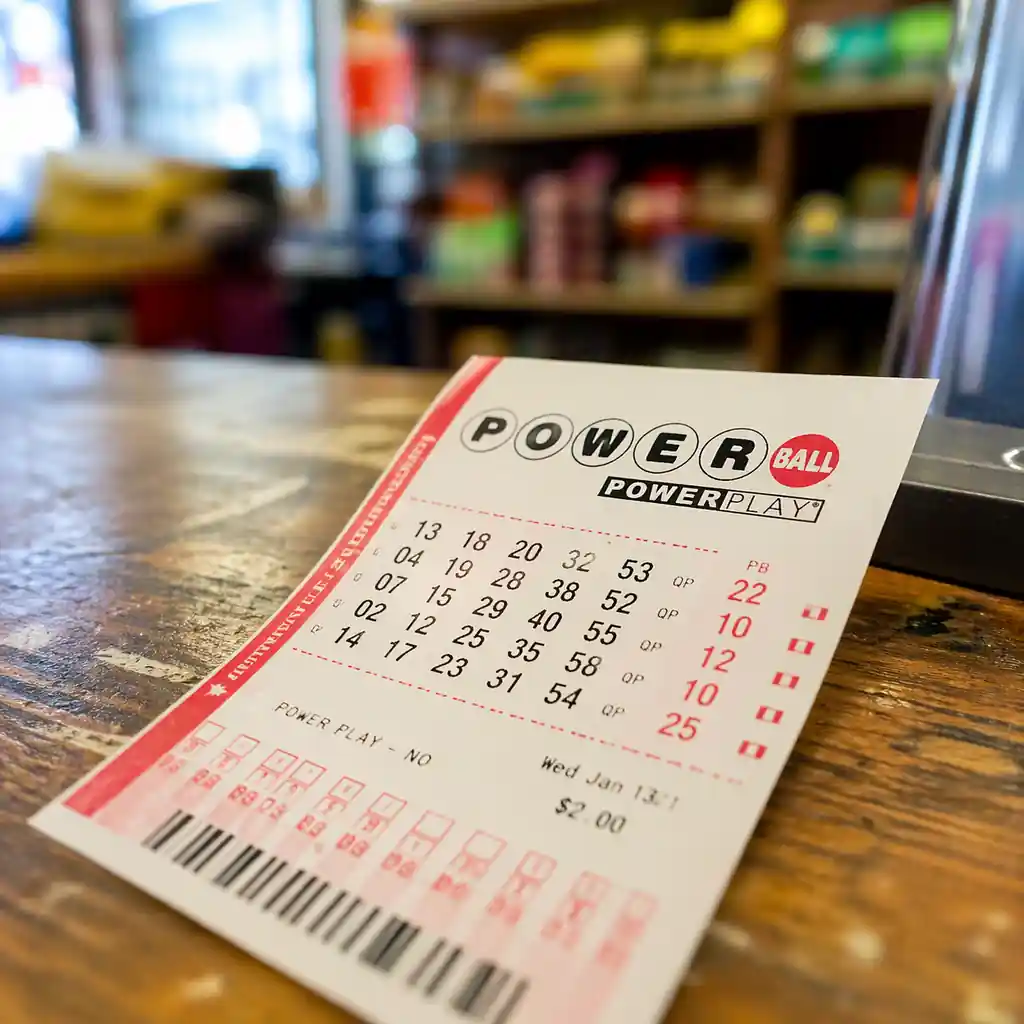

A $2 Powerball ticket has delivered a life-changing result for Richard Kee Jr. of Roanoke Rapids, North Carolina, after he claimed a massive $209.3 million jackpot linked to a ticket purchased earlier this year. The win has drawn attention across lottery and personal finance circles because the final payout tells a very different story from the headline jackpot figure.
Kee bought the winning ticket in January from West 10th Mart on West 10th Street in Roanoke Rapids. The prize later became one of North Carolina’s biggest lottery moments, ranking as the second-largest Powerball jackpot ever won in the state.
Although the advertised jackpot stood at $209.3 million, Kee chose the lump-sum cash option rather than taking the full amount through annual payments over several decades. That decision reduced the prize to about $95.3 million before taxes. After required federal and state deductions, his final take-home amount came to roughly $68.6 million.
Why the $209.3M Prize Became $68.6M
The gap between the jackpot number and the final payout is often one of the most misunderstood parts of lottery winnings. Powerball jackpots are usually promoted as annuity values, meaning the full amount is paid over time. Winners who choose the immediate cash option receive a lower lump sum based on the prize’s cash value.
According to the official Powerball website, jackpot winners can choose between an annuity prize paid over 29 years or a one-time cash payment. Many winners choose the lump sum because it gives them immediate control over the money, even though the final amount is much smaller than the advertised jackpot.
In Kee’s case, the $209.3 million headline prize became a $95.3 million cash option before taxes. Once federal and North Carolina state taxes were withheld, the amount he actually received was about $68.6 million. Even after that reduction, the payout remains large enough to change not only one life but potentially several generations of a family.
The winning ticket was bought at West 10th Mart, a local store in Roanoke Rapids. Retailers that sell jackpot-winning tickets often receive bonus payments and a sudden boost in attention from players who believe the location may be lucky. For smaller communities, a major lottery win can quickly become a local talking point.
Winner Stayed Private Before Identity Was Revealed
Kee’s name was not immediately made public. North Carolina allows winners of prizes worth $50 million or more to remain anonymous for up to 90 days after claiming the prize. That rule gives major winners time to seek legal, tax, and financial advice before facing public attention.
The privacy period is an important detail in large lottery wins. Sudden wealth can bring unwanted attention, financial requests, security concerns, and pressure from people around the winner. By waiting before going public, winners can put basic protections in place and avoid rushed decisions.
For many jackpot winners, the first few weeks after claiming a prize may be more important than the moment of winning itself. Financial advisers often recommend that winners avoid major public announcements, large purchases, or emotional decisions until they have a clear plan.
A prize of this size usually requires a team of professionals. That may include a tax adviser, estate-planning attorney, investment manager, and insurance specialist. Without proper planning, even very large lottery wins can create long-term problems.
The tax impact is one of the biggest issues. A jackpot winner may owe federal taxes, state taxes, and additional tax liability depending on the structure of the payout. The amount withheld at the time of payment may not always represent the full tax picture, which is why professional advice is essential.
Kee’s case also highlights why readers are increasingly interested in the “real” lottery payout instead of just the jackpot headline. A $209.3 million prize sounds very different from a $68.6 million take-home payment, even though both are extraordinary amounts. That difference is one reason lottery payout breakdowns often perform strongly in search and news feeds.
The story also comes at a time when lottery wins are gaining wider online attention. Large jackpots, unusual winner stories, and emotional payout moments often attract strong reader interest because they combine money, luck, and personal change in a simple narrative.
For readers following personal finance and trending money stories, this win offers a useful reminder: the advertised jackpot is only the starting point. The final amount depends on payout choice, taxes, state rules, and timing.
On Swikblog, similar finance and lottery stories continue to attract readers because they explain not just who won, but how much money the winner actually receives and what happens after the claim.
For Kee, a $2 ticket turned into a historic financial moment. The odds of winning Powerball remain extremely low, but stories like this keep public interest alive because they show how quickly ordinary routines can turn into extraordinary outcomes.
The $209.3 million jackpot will be remembered not only for its size, but also for the real-world payout behind it. Richard Kee Jr.’s final $68.6 million take-home prize shows the excitement of a Powerball win while also revealing the financial reality behind one of North Carolina’s biggest lottery payouts.
You may like: Harry Styles and Zoë Kravitz engagement rumors: Diamond ring sparks buzz explained

Make Swikblog your go-to source on Google for reliable updates, smart insights, and daily trends.