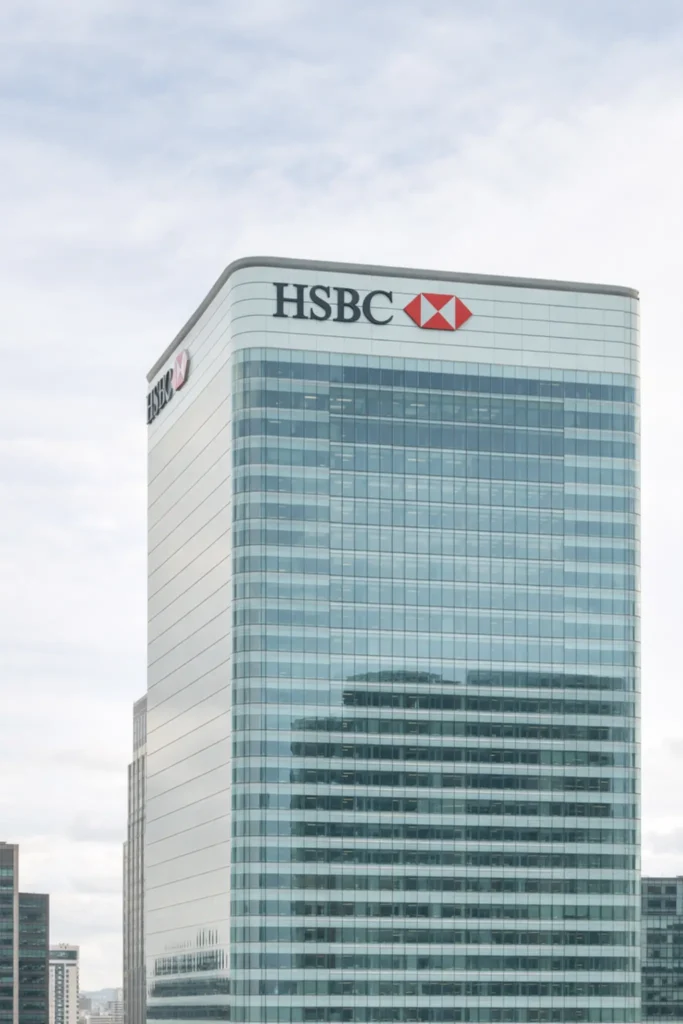

HSBC has put a planned $4 billion allocation to its own private credit funds on hold, a move that has turned a bank-specific loss into a wider question for investors: how much risk is still hidden inside the fast-growing private credit market?
The pause follows a roughly $400 million hit linked to the collapse of British mortgage lender Market Financial Solutions, according to reports citing people familiar with the matter. HSBC had announced the investment plan in June 2025, but the capital has not yet been transferred and there are no current plans to move it into the funds.
The decision does not mean HSBC is walking away from private credit. The bank has continued to support its asset management strategy in the sector. But the timing is important. A major global lender delaying a multibillion-dollar commitment after a fraud-linked loss is exactly the kind of development that makes investors reassess risk across the wider alternative lending industry.
Why HSBC’s $4 Billion Pause Matters
Private credit has become one of the most closely watched corners of global finance. The market has grown rapidly as non-bank lenders, asset managers, and private investment funds stepped in to provide loans outside the traditional banking system. For borrowers, it offered another source of financing. For investors, it promised higher yields at a time when many were searching for stronger returns.
That growth has also made the sector harder to ignore. The global private credit market is now estimated at around $3.5 trillion, and regulators have become increasingly focused on how closely banks, asset managers, insurers, and institutional investors are connected through these lending structures.
HSBC’s situation is drawing attention because its loss was not simply a normal credit setback. The hit was linked to the collapse of Market Financial Solutions, a UK mortgage lender that has faced allegations involving missing funds. Reports said HSBC’s exposure came indirectly through structures connected to Atlas SP, an Apollo-backed financing platform.
That indirect exposure is what makes the episode important. In private credit, risk can move through several layers before it reaches the final investor or lender. A bank may not always be lending directly to the troubled borrower, but it can still be exposed through financing arrangements, fund structures, warehouse facilities, or other credit-linked vehicles.
For investors, this raises a basic concern: if a $400 million loss can appear through a complex chain of exposure, how easy is it to measure similar risks elsewhere?
HSBC Chairman Brendan Nelson has said the bank has substantially completed a review of its lending policies and practices following the loss. That review is likely aimed at checking whether the MFS-linked issue was isolated or whether similar weaknesses exist in other parts of the bank’s lending and financing operations.
The bank remains financially large and diversified. HSBC operates across retail banking, commercial banking, wealth management, private banking, and institutional services. It serves customers in more than 50 countries and remains heavily exposed to key markets such as Hong Kong and the UK. That scale gives HSBC significant earnings power, but it also means investors pay close attention when unexpected risk appears in one part of the business.
Market data from GuruFocus placed HSBC’s price-to-earnings ratio near 15 times, while its GF Score stood at 62 out of 100. The platform also listed HSBC’s financial strength rating at 3 out of 10, profitability at 4 out of 10, and growth at 5 out of 10. Those figures suggest a company that remains profitable but is not being viewed as risk-free by valuation and quality metrics.
GuruFocus data also showed insider selling of about $0.4 million over the past three months, with no reported insider purchases during the period. Insider activity alone should not be treated as a full investment signal, but it can add another layer of caution when a bank is already facing questions about credit exposure and valuation.
Private Credit Faces a Confidence Test
The bigger issue is not whether HSBC can absorb a $400 million hit. A bank of HSBC’s size can manage that kind of loss. The real issue is confidence. Private credit depends heavily on investor trust, valuation discipline, and confidence that underlying loans are being monitored properly.
Unlike publicly traded bonds, many private credit assets do not trade frequently. That can make pricing less transparent during periods of stress. When markets are calm, this may not seem like a major problem. But when defaults rise or fraud cases emerge, investors begin asking whether portfolio values fully reflect the risks inside the loans.
Regulators have been warning about this for months. The concern is not only that private credit funds may suffer losses, but that those losses could spill into banks, pension funds, insurers, and other parts of the financial system. The more connected the sector becomes, the harder it is to treat private credit as a separate market.
HSBC’s decision to hold back the $4 billion investment may therefore be seen as a defensive step. Rather than pushing ahead with a large commitment during a period of uncertainty, the bank appears to be slowing down until it has greater confidence in the market environment and its own internal controls.
Read More
That cautious approach could influence other institutions. If more banks and asset managers delay capital commitments, private credit growth may cool. This would not necessarily signal a collapse, but it would mark a shift from the aggressive expansion seen in recent years.
For HSBC shareholders, the key question is whether the MFS-linked loss remains a one-off event. If management can show that similar exposures are not present elsewhere, the market may eventually move past the issue. But if further problems emerge, investors could begin applying a higher risk discount to the stock.
The episode also arrives while HSBC has been under investor attention for wider strategic changes. The bank has been linked to restructuring efforts and operational shifts as it looks for efficiency across global operations. Readers can also see Swikblog’s earlier coverage on HSBC’s restructuring and AI-related cost-cutting plans.
For now, HSBC is trying to balance two messages. It wants to remain active in private credit and alternative asset management, but it also wants to show investors that it will not deploy billions of dollars without stronger risk visibility. That distinction matters because the bank is not rejecting the sector outright. It is choosing caution after a costly warning sign.
Investors tracking HSBC should watch three areas next: whether the bank gives more detail on the lending review, whether private credit exposure changes in future disclosures, and whether regulators increase pressure on banks connected to alternative lending markets.
Official company filings and investor updates can be checked through HSBC Investor Relations. For wider context on private credit risks, readers can also review updates from the Financial Stability Board, which has been monitoring non-bank financial intermediation and market vulnerabilities.
HSBC’s $4 billion pause may look like a single bank’s decision, but it reflects a broader change in mood. After years of rapid private credit growth, large institutions are becoming more selective, regulators are asking harder questions, and investors are paying closer attention to where risk is really sitting.

Make Swikblog your go-to source on Google for reliable updates, smart insights, and daily trends.