
Updated: July 5, 2026
Lloyds Banking Group is retiring the Halifax banking brand, bringing an end to one of the UK’s most recognisable financial names after 173 years. The group says new banking products will gradually stop being offered under the Halifax name, while existing customers will move to Lloyds branding through a phased transition. Full details of the change are available in the official Lloyds Banking Group announcement.
While the familiar Halifax name will gradually disappear from branches and banking products, Lloyds says customers should not expect immediate disruption. Everyday banking services, account details and payment arrangements will continue as normal while the transition is rolled out over the next several years.
Halifax rebrand: Key points
- Halifax will gradually stop operating as a separate retail banking brand.
- Existing customers do not need to take immediate action.
- Sort codes and account numbers will remain unchanged.
- Direct debits, salaries and standing orders will continue working normally.
- Around 190 Halifax branches will begin changing branding from early 2027.
- No additional branch closures or job losses have been announced because of the rebrand.
- Bank of Scotland will continue serving customers across Scotland.
Why Lloyds is retiring the Halifax name
Lloyds Banking Group has decided to simplify its retail banking business by using Lloyds as its main customer-facing brand across England, Wales and Northern Ireland. Halifax products, branches and customer communications will gradually adopt Lloyds branding, while Bank of Scotland will continue operating independently in Scotland.
The move forms part of the group’s wider strategy to simplify operations, reduce duplicated services and invest more heavily in digital banking. Chief executive Charlie Nunn is expected to outline additional strategic plans alongside Lloyds’ half-year financial results later this month.
What changes for Halifax customers
For existing customers, the practical impact will be limited during the early stages of the transition. Lloyds says customers will receive official notifications before any branding changes affect their accounts.
Current accounts, savings accounts, mortgages and credit cards will gradually move under the Lloyds brand, but customers will continue using the same banking services throughout the migration.
Importantly, customers should only respond to messages received through official Lloyds or Halifax channels. Large banking changes can attract scammers attempting to imitate genuine communications.
What stays exactly the same
Lloyds has confirmed several important details designed to make the transition as straightforward as possible.
- Account numbers will remain unchanged.
- Sort codes will remain unchanged.
- Direct debits will continue without interruption.
- Standing orders will continue operating normally.
- Salary and pension payments do not need updating.
- FSCS protection remains exactly the same.
- Existing staff will continue serving customers during the transition.
What customers will notice first
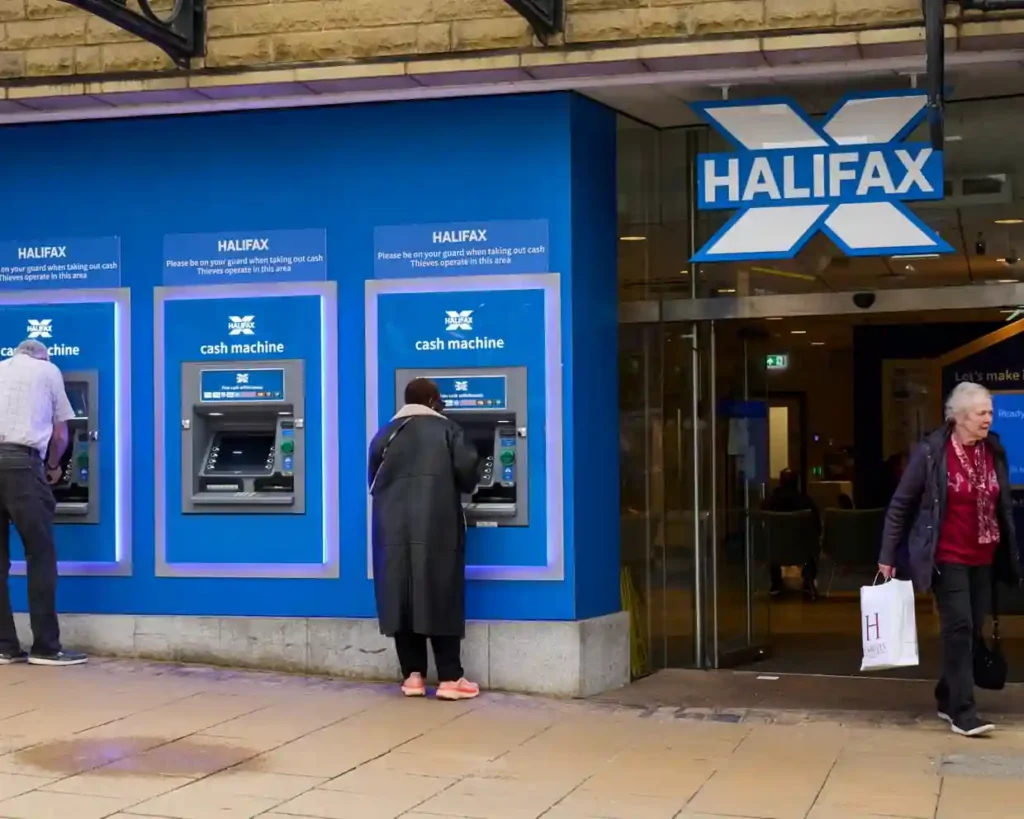
The biggest visible change will be on Britain’s high streets. Halifax signs will gradually be replaced with Lloyds branding from early 2027, although Lloyds says the rebrand should not be confused with a new branch closure programme.
Branches located close to existing Lloyds locations may eventually operate under a single Lloyds identity, but the group has stressed that the announcement itself does not include new closure plans or workforce reductions.
How banking has already been changing
In many ways, the transition has already begun behind the scenes. Customers of Lloyds, Halifax and Bank of Scotland have been able to use many branches across the group’s network through its branch co-servicing arrangements, allowing services to be shared regardless of which brand customers use.
Digital banking has also become the primary way many people manage their finances. Simplifying multiple banking brands allows Lloyds to focus future investment on one retail platform rather than maintaining separate customer experiences.
Anyone following wider changes across UK financial services may also find the latest update on the Capita UK government pension deadline useful for understanding how major organisations are reshaping customer services.
A banking name with more than 170 years of history
Halifax began life in 1853 as the Halifax Permanent Benefit Building Society in West Yorkshire. It grew from a regional building society into one of Britain’s largest mortgage lenders and became one of the country’s most recognised savings brands.
Following its conversion into a listed bank, Halifax merged with Bank of Scotland in 2001 to create HBOS. During the global financial crisis in 2008, HBOS was acquired by Lloyds Banking Group in a government-backed rescue that reshaped the UK’s banking sector.
Although ownership changed years ago, the Halifax name continued to be used because of its strong reputation among generations of customers. The latest announcement marks the end of that long-running identity.
Read More
Lloyds will begin contacting Halifax customers directly as different stages of the migration begin. Customers are not being asked to open new accounts or transfer funds, and payment details will remain unchanged unless the bank specifically advises otherwise.
The first visible changes are expected to arrive during 2027 as Halifax branch signage is replaced. Over time, more products, communications and digital services will adopt Lloyds branding, completing one of the most significant retail banking rebrands seen in the UK for decades.
For most customers, the experience should remain familiar. The biggest difference will be the name above the branch door, while the banking services they rely on every day are expected to continue without interruption.

Make Swikblog your go-to source on Google for reliable updates, smart insights, and daily trends.