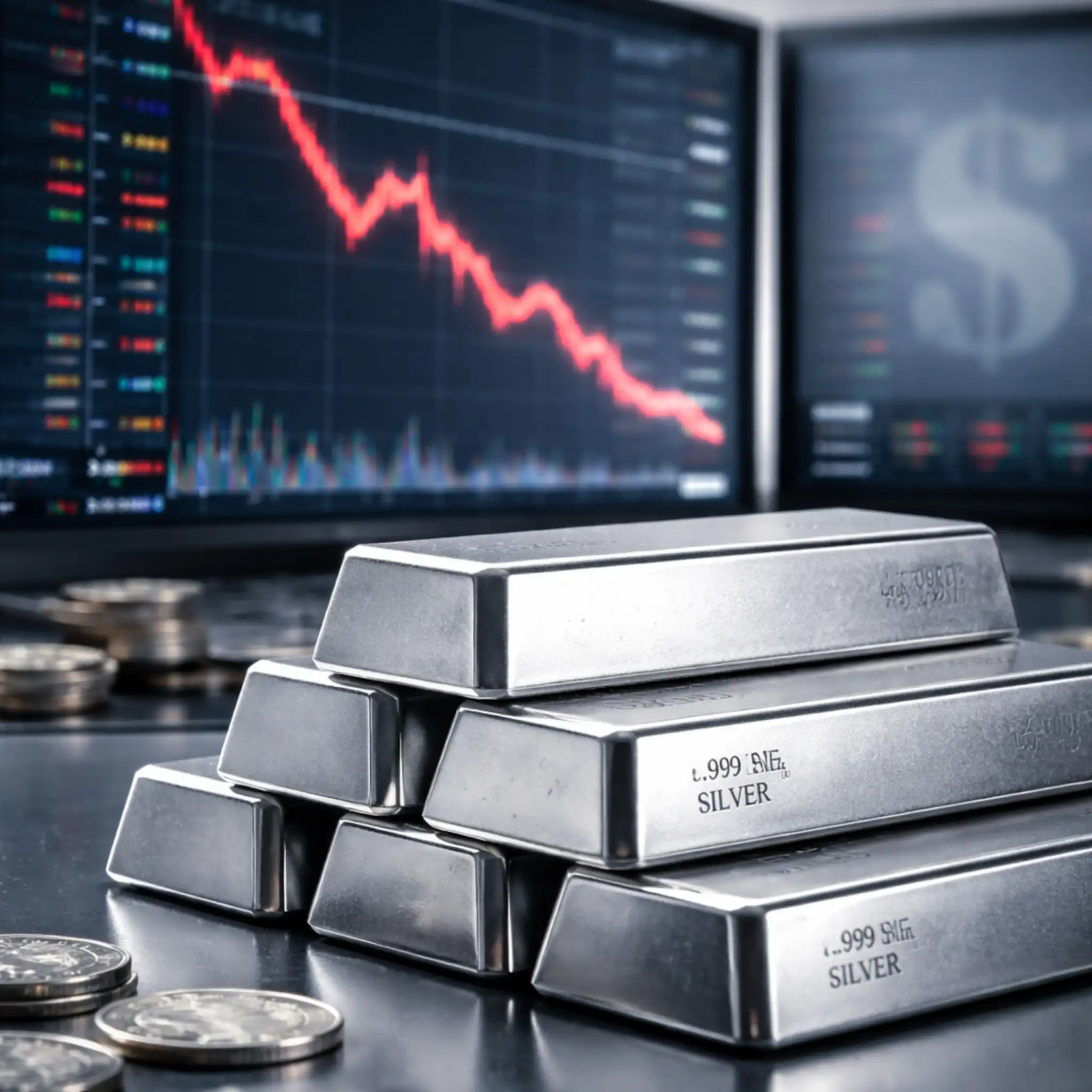
Gold slipped on Tuesday as traders locked in profits after a four-day surge of more than 7%, with bullion easing to $5,169.73 per troy ounce in afternoon Asia trading. The retreat of about 1.1% — after an earlier drop of as much as 1.6% — comes as markets digest escalating US tariff measures and renewed geopolitical strain in the Middle East.
The move follows one of the strongest short-term advances of the year. Bullion had rallied from below $4,900 to reclaim the key $5,000 threshold, stabilizing after a historic correction earlier this month that dragged prices sharply lower from a record above $5,595 in late January. Despite Tuesday’s pullback, gold remains up significantly from its early-February trough, having recovered more than half of that slide. All prices referenced are spot prices per troy ounce (Feinunze).
Tariffs Keep Volatility Elevated
Investor positioning has been driven by uncertainty surrounding US trade policy. A 10% global import levy took effect Tuesday, with President Donald Trump signaling a potential increase to 15% following a Supreme Court ruling related to reciprocal tariffs. The timeline for any escalation remains fluid, but the lack of clarity has unsettled equity and currency markets.
Some US trading partners are struggling to reconcile the latest tariff structure with earlier agreements. The European Union has reportedly assessed that certain export categories could face duties above previously negotiated thresholds, adding strain to global trade dynamics.
Trade friction has historically supported safe-haven assets, particularly when paired with geopolitical risk. Central bank accumulation trends tracked by the World Gold Council continue to show sustained sovereign demand, reinforcing gold’s structural support base.
Dollar and Real Yields Cap Breakout
Still, gold’s advance has not been uninterrupted. The Bloomberg Dollar Spot Index rose 0.1% Tuesday, while US real yields remain relatively firm. A stable dollar increases the cost of bullion for non-US buyers, often limiting aggressive upside momentum.
Market participants say that while tariff headlines keep uncertainty elevated, the absence of a decisive move lower in real yields may encourage near-term consolidation rather than an immediate breakout. Technical analysts point to a likely trading range between $4,950 and $5,250 in the absence of a major catalyst.
Geopolitical Tensions Add Floor
Beyond trade policy, geopolitical developments remain central to sentiment. The US has reportedly assembled its largest military presence in the Middle East since 2003, while talks concerning Iran’s nuclear program are set to resume this week. Though officials emphasize diplomatic efforts, markets continue to price the risk of escalation.
Gold typically benefits when geopolitical uncertainty overlaps with policy unpredictability — particularly in environments where investors question monetary and fiscal stability.
Broader Metals Market
In related trading, silver fell 0.1% to $88.09, after sliding as much as 3.6% earlier in the session. Platinum was little changed, while palladium rose roughly 1%. The mixed performance suggests selective positioning rather than wholesale liquidation across precious metals.
Options activity indicates continued upside interest. Traders report notable call positioning in the $5,500–$5,700 range later this year, reflecting expectations among some institutional desks that macro drivers could reaccelerate.
Banks Maintain Constructive Outlook
Major financial institutions including BNP Paribas, Deutsche Bank and Goldman Sachs have reiterated forecasts for renewed strength, citing persistent central bank buying, diversification away from sovereign bonds and currencies, and structural geopolitical risk.
Gold’s rebound above $5,000 underscores the metal’s resilience despite heightened volatility. For investors tracking broader materials and commodity-linked equities, similar sentiment shifts have been reflected in UK-listed names, as detailed in our recent coverage of Johnson Matthey’s share price movement amid sector rotation.
For now, bullion appears to be consolidating after a rapid advance rather than reversing its broader trajectory. With tariff implementation still evolving and geopolitical developments unfolding, gold remains tightly tethered to macro headlines — and positioned at the center of global risk repricing.

Make Swikblog your go-to source on Google for reliable updates, smart insights, and daily trends.