
A Japanese toy trend spreading through Australian shopping centres is now facing a sharper question from parents and public health experts: are Gachapon machines just collectible fun, or are they introducing children to the thrill of chance-based spending?
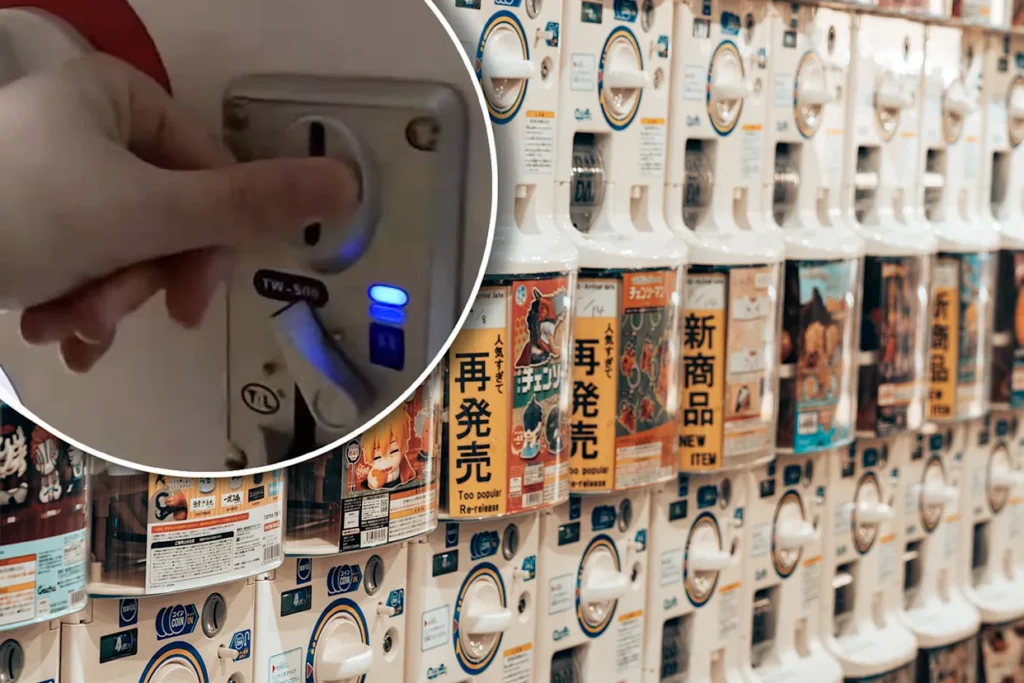
The debate has grown after rows of Gachapon machines appeared at Subiaco Shopping Centre in Perth’s inner western suburbs. The machines are colourful, easy to use and designed around a simple action: insert a token, turn the crank and wait for a mystery capsule to drop.
For children, the appeal is instant. For some adults, that same surprise-based format looks uncomfortably close to the mechanics used in gambling products.
Why Gachapon Machines Are Under Scrutiny
Gachapon machines originated in Japan and usually dispense miniature figures, keychains, collectibles, novelty items or small character toys. Buyers always receive a product, but they do not know exactly which item they will get before paying.
That uncertainty is the centre of the concern. A child may want one toy from a themed set, but the machine may deliver a duplicate or a less-desired item. The natural response is to try again, especially when rare figures or full collections are involved.
At the Perth store highlighted in Australian media reports, tokens cost $6 each or five for $25. That pricing means a few repeat turns can quickly become more than a small impulse purchase.
Expert Warning Over Random Rewards
Curtin University public health expert Louise Francis has warned that Gachapon machines resemble gambling because money is exchanged for an uncertain result.
Her concern is not that the machines are identical to poker machines. The issue is the behavioural pattern: pay money, wait for an outcome, feel excitement or disappointment, and then decide whether to spend again.
Francis also raised concerns about unclear labelling and gaps in regulation. Because Gachapon customers receive a physical item every time, the machines remain legal in Australia. But critics argue that the law does not fully address products aimed at children that rely on random rewards.
Read More
Parents Compare The Experience To Casino-Style Play
Some parents say the process feels too similar to casino behaviour. Parent Hayley Huang told Australian media she was uneasy with the exchange of money for tokens and the addictive element of waiting for a random result.
Perth father Marco Marcello also said he would be concerned if the machines were found to closely resemble pokies. He said he would direct his children toward another activity if he believed the machines could encourage gambling-style behaviour.
For families, the concern is not only the toy itself. It is the lesson children may take from the experience: disappointment can be followed by another payment, and another chance.
The Bigger Issue For Shopping Centres
Gachapon is part of a wider retail shift toward mystery-based products. Blind boxes, collectible packs, limited-edition toys and digital loot boxes all use surprise to make purchases feel more exciting.
That model can be powerful because it turns a product into a reveal. It can also make spending harder to control, particularly for younger consumers who may not fully understand probability, duplicates or rarity.
The same surprise-and-scarcity model has appeared in other retail promotions, including the Five Below Golden Ticket Dumpling hunt, where a collectible product was tied to the excitement of finding a rare prize.
Why The Debate May Grow In Australia
Supporters may see Gachapon as harmless entertainment, especially because every customer receives a toy. Critics, however, say products designed for children deserve closer scrutiny when repeat spending is encouraged by chance rather than choice.
The machines remain legal, but the conversation around them is likely to continue as more appear in shopping centres. Parents may begin asking for clearer pricing, better labelling, spending limits or age guidance around random-reward products.
Readers seeking information about gambling harm prevention and support services can visit Gambling Help Online.
The rise of Gachapon in Australia shows how quickly a playful retail trend can become a public health discussion. The capsules may contain toys, but the bigger question is how early children should be exposed to paying for uncertainty.

Make Swikblog your go-to source on Google for reliable updates, smart insights, and daily trends.