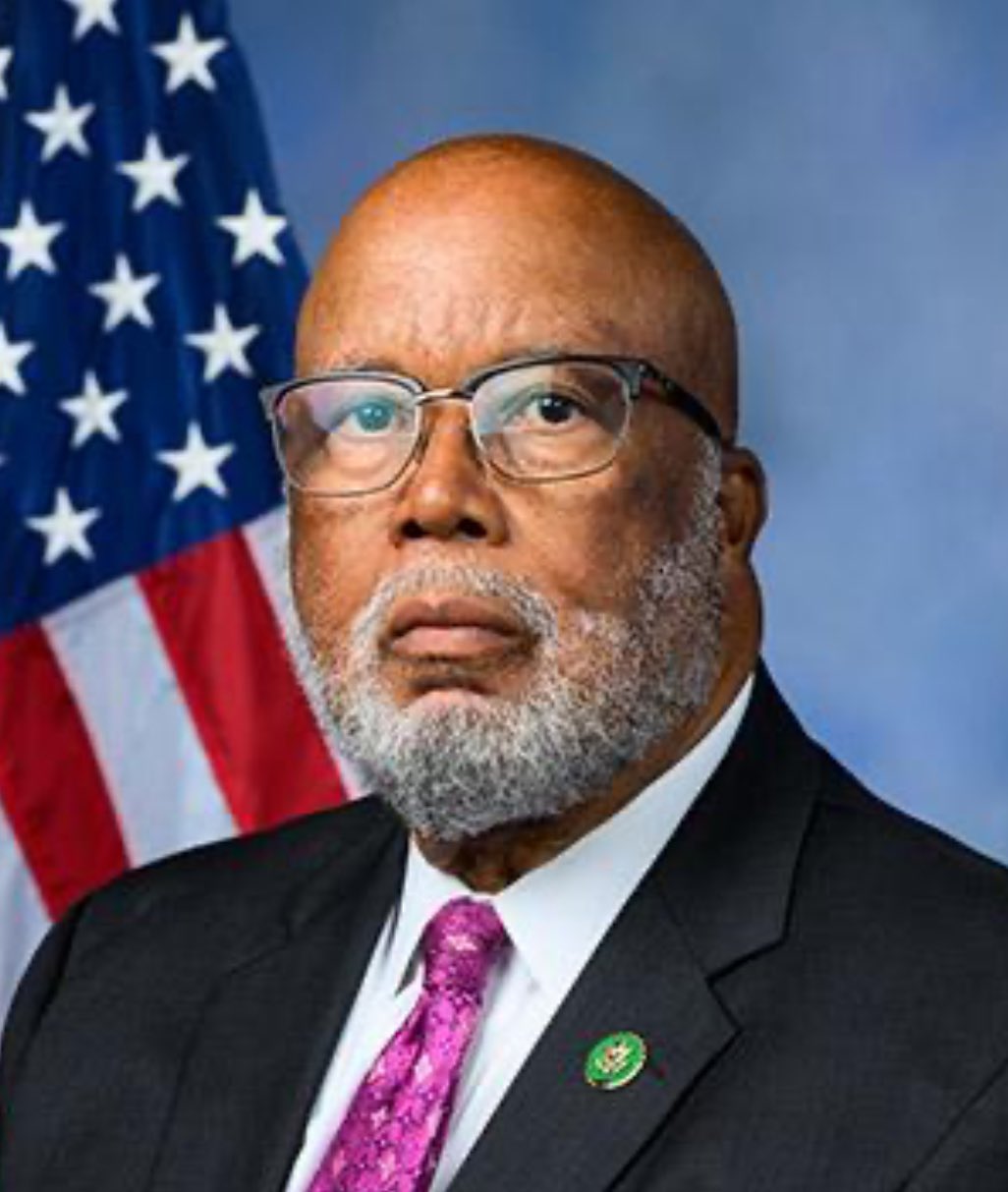
The hearing room fell silent for a moment that felt much longer than a pause. Representative Seth Magaziner leaned into his microphone and asked a simple question that is now echoing across social media:
“How many U.S. military veterans have you deported?”
Homeland Security Secretary Kristi Noem didn’t hesitate at first.
“Sir, we have not deported U.S. citizens or military veterans.”
Then Magaziner turned slightly to his right. On a tablet beside him, a face appeared on Zoom — a man in his fifties, calm but visibly emotional.
“We are joined on Zoom by an Army combat veteran who was shot twice while serving our country in Panama in 1989. Earlier this year, you deported him to Korea. Can you please tell Mr. Park why you deported him?”
It was one of the most explosive moments of Thursday’s House Homeland Security Committee hearing, and within minutes the clip was racing across X/Twitter, Instagram Reels and Threads — an unfiltered confrontation between a Cabinet secretary and the reality of a wounded veteran forced to leave the country he fought for.
The exchange that lit up X/Twitter
The viral clip, shared by political accounts such as @Acyn and amplified by activists, shows the full back-and-forth: Magaziner’s question, Noem’s flat denial, and then the reveal of Mr. Park on the screen next to him.
One widely shared caption reads, in essence: “Noem: ‘We haven’t deported any veterans.’ Magaziner: ‘Here is one of them, live on Zoom.’” Other posts under hashtags like #DeportedVeterans and #SaeJoonPark call the moment “humiliating,” “devastating,” and “the most brutal fact-check of Noem’s career”.
Even outside partisan feeds, mainstream political watchers have picked up the story. Newsweek reports that Democrats used the hearing to highlight a string of cases involving veterans, military spouses and parents of U.S. Marines who have been detained or forced out of the country under current immigration rules.
The Boston Globe’s account describes Magaziner holding up a tablet showing the veteran — identified as Sae Joon Park — as he presses Noem to explain why someone who took bullets for the United States is now living thousands of miles away, separated from his family.
Who is Sae Joon Park?
Mr. Park’s story did not begin in a Washington hearing room. It began decades earlier in a different kind of battle.
Park came to the United States from South Korea as a child and later enlisted in the U.S. Army. At 19, he deployed to Panama as part of the 1989 U.S. invasion and was shot twice in combat, earning a Purple Heart for his injuries, according to reporting from outlets including the Guardian and the Associated Press.
Like many combat veterans, Park later struggled with severe PTSD. Years after his service, he developed a drug addiction and was convicted on drug-related charges, which eventually triggered a removal order. For a time, his military record and rehabilitation efforts allowed him to remain in the U.S. under a form of deferred action, as detailed by Hawaii News Now and university legal advocates working on his case.
That protection ended this year. Faced with the threat of detention and deportation, Park left the U.S. for South Korea — a country he had not lived in since childhood — leaving behind his elderly mother and his adult children. Several news organizations have described his departure as a forced “self-deportation” carried out under the shadow of ICE and Homeland Security’s enforcement powers.
In the hearing, Magaziner stripped away the technical language and called the outcome what it feels like to Park and his family: deportation.
Noem’s denial vs Magaziner’s evidence
The clash at the heart of the viral moment is about more than one veteran. It is about whether the administration wants to admit what its immigration machinery is doing — and to whom.
Noem’s line — “we have not deported U.S. citizens or military veterans” — appears to rely on narrow legal framing: Park was not a citizen and technically left under a removal order that gave him the “choice” to depart or be detained. But to millions watching, the clip shows something much simpler: a wounded veteran, decorated for his service, forced out of the country he fought for.
Magaziner pressed that moral and political contradiction. According to Newsweek’s transcript-based reporting, he accused Noem of failing to distinguish between “good guys and bad guys”, listing not just Park, but a military spouse jailed over low-level financial offences and the father of three U.S. Marines detained while mowing a lawn.
In the viral segment, Magaziner asks Noem directly to address Park:
“This man took two bullets for our country. Will you commit to at least looking at Mr. Park’s case to see if you can help him find a pathway back to this country that he sacrificed so much for?”
Noem replies that she is grateful for every person who has served and promises to “look at” the case — a commitment that, for now, leaves Park in limbo and the public waiting to see whether anything actually changes.
The internet reaction: ‘You deported him’
Social media did the rest. Within hours, the hearing clip had been cut, captioned and circulated across platforms.
- The Tennessee Holler and other progressive outlets posted the exchange with on-screen captions emphasising the contradiction: Noem saying “none” while Park appears live on Zoom.
- Commentators and activists on X, including high-profile accounts such as David Hogg, shared the video with stunned one-word reactions like “WOW” and “Unbelievable.”
- Threads and Instagram Reels accounts reposted the footage with subtitles such as “She said they never deported a veteran. Then he appears on screen.”
For many users, Park has become the human face of a much wider pattern. The Associated Press recently reported on a wave of noncitizen veterans and military families ensnared in deportation, estimating that thousands of former service members have been forced to leave or live under constant threat of removal.
That broader context is now merging with a single, unforgettable visual: a wounded veteran on a tablet screen, staring back at the official whose department ordered him to go.
What happens next?
Beyond the viral moment, there are real stakes for both policy and politics.
First, there is Mr. Park’s case. Noem has now publicly committed, on camera and under questioning, to reviewing his situation. Park’s lawyers and advocates — including those at the University of Hawaiʻi Refugee & Immigration Law Clinic — have been fighting to reopen his underlying criminal case and secure a path for him to return to the U.S. Any change in his status will be watched closely.
Second, there is the wider question of deported veterans. Lawmakers on both sides of the aisle have periodically expressed concern about how noncitizen service members are treated, but Thursday’s hearing may increase pressure for specific legislation that protects veterans who served in combat and have since rebuilt their lives.
Finally, there is Noem herself. In the same hearing, Democrats repeatedly accused her of misleading Congress and called for her resignation over broader deportation practices and domestic security decisions. Progressive commentators are already framing the exchange with Magaziner as evidence that she “lied under oath,” while her allies argue that she was speaking narrowly about U.S. citizens and technical deportation categories.
What is clear is that one question — “How many U.S. military veterans have you deported?” — has ripped open a debate that goes far beyond a single hearing. It reaches into how America defines loyalty, service and belonging, and whether the country is prepared to live with the consequences when those who bled for it are told to leave.
As the clip continues to spread and Park’s story becomes more widely known, the pressure will only grow on lawmakers and the Department of Homeland Security to decide whether this was an isolated “tragic case” — or a symbol of a system that has lost sight of the people inside it.
You May Also Like
- Why Alphabet Might Be the Stealth AI Winner of 2026
- Bank of America Q4 2025: Markets Revenue Surges
- Apple iOS 26.2: New Features and Release Timeline

Make Swikblog your go-to source on Google for reliable updates, smart insights, and daily trends.