Written by Michael Thornton | Swikblog News Desk
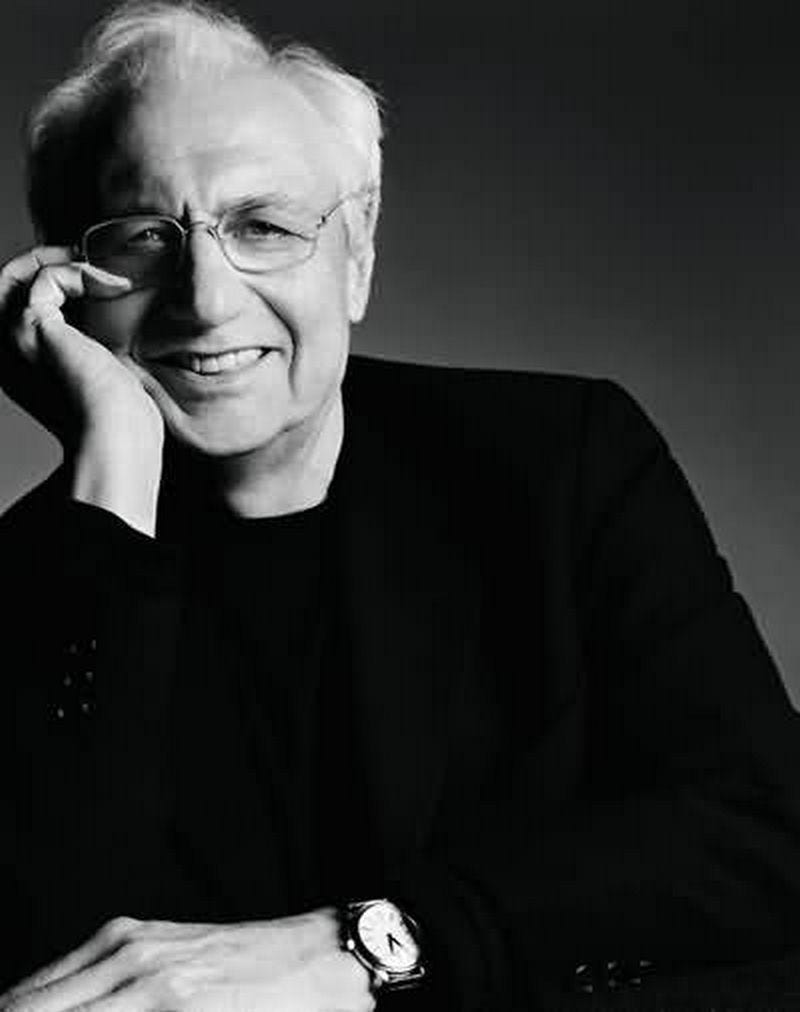
Frank Gehry, the legendary architect whose titanium-clad creations changed the global conversation about art, cities, and design, has died at the age of 96. His firm confirmed that the visionary designer passed away peacefully at his home in Santa Monica following a brief respiratory illness. With his death, the world says goodbye to an architect who reshaped skylines and sparked movements — most famously through his masterpiece, the Guggenheim Museum Bilbao.
Gehry was not just an architect; he was a cultural force. His buildings, instantly recognisable for their flowing curves, sculptural silhouettes, and shimmering metallic surfaces, blurred the line between structure and sculpture. Few architects in history have achieved the same level of artistic influence and public admiration.
The Man Who Reinvented a City
When the Guggenheim Museum Bilbao opened in 1997, critics and visitors immediately understood that Gehry had created something unprecedented. The museum did not merely house art — it was art. Its bold titanium exterior transformed Bilbao from a struggling industrial city into a global cultural destination, a phenomenon later known as the “Bilbao effect.” Even today, thousands of urban planners study how a single Gehry structure redefined an entire region’s economy and identity.
The Guggenheim Foundation described the project as “a turning point in modern architecture,” noting how Gehry’s daring structural approach created a new visual language for public spaces. (Guggenheim Foundation)
A Global Portfolio of Icons
Although Bilbao is his most famous work, Gehry’s architectural footprint spans continents. From the Walt Disney Concert Hall in Los Angeles to the Louis Vuitton Foundation in Paris, his buildings became landmarks in their own right — magnets for tourists, photographers, and aspiring architects.
Read Next: No True ‘Group of Death’? Fans Split Over Toughest World Cup 2026 Draw
His earlier works, such as the Dancing House in Prague and the Vitra Design Museum in Germany, showcased the early evolution of his experimental approach: bold curves, unexpected asymmetry, and structures that looked as if they were caught in motion.
Throughout his career, Gehry fought against architectural conformity. As he once said, “If you know exactly how it’s going to look, why bother building it?” That restless curiosity — combined with an artist’s instinct — became the signature of his practice.
Tributes Pour In From Around the World
News of Gehry’s death has sparked a wave of tributes across the architectural, cultural, and political landscape. Prominent museums, design institutions, and public figures praised his fearless creativity and the emotional resonance of his work.
The Architectural Digest described him as “a titan of imagination,” while artists and museum directors credited him with inspiring entire generations to see buildings not just as shelters, but as experiences.
A Legacy That Will Outlive Us All
Though Gehry is gone, his creations continue to move, challenge, and uplift millions of people every year. Cities that once felt forgotten now proudly display Gehry landmarks as symbols of rebirth and ambition. His influence extends far beyond architecture — into culture, identity, tourism, and even economics.
As skylines across the world catch the sun on Gehry’s shimmering buildings, they will stand as a permanent reminder of his belief that architecture should surprise us, delight us, and occasionally defy the rules altogether.
Read Next: Trump Attacks Somali Immigrants — Immigration Freeze Debate

Make Swikblog your go-to source on Google for reliable updates, smart insights, and daily trends.