A new CNN documentary revisits Chevy Chase’s complicated legacy — and, in a separate interview, he finally addressed why his time on Community fell apart.
By Swikblog Desk | Updated: Jan. 2, 2026
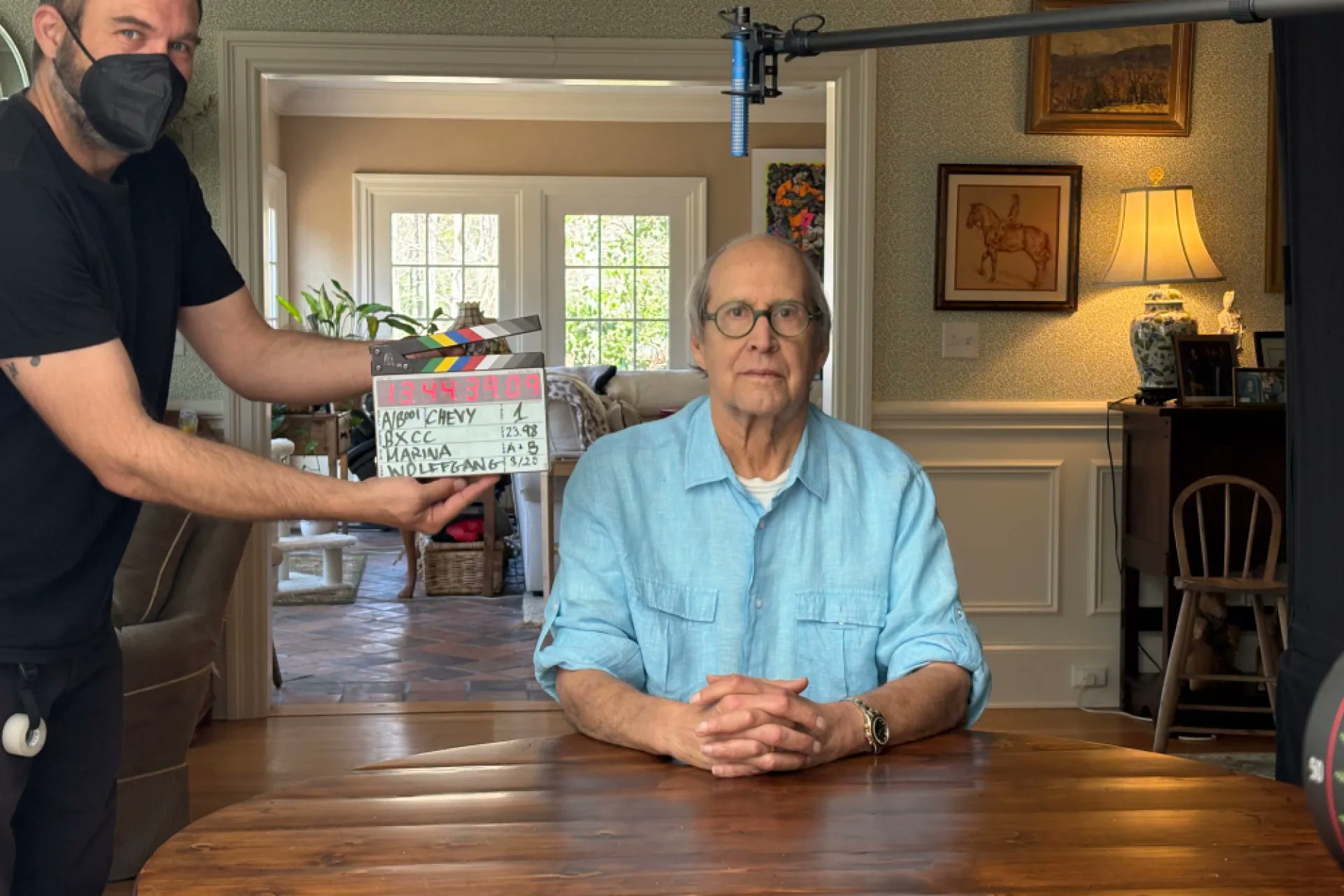
Chevy Chase is back in the spotlight thanks to CNN’s documentary I’m Chevy Chase and You’re Not, a film that refuses to sand down the rough edges of his career. The project, directed by Marina Zenovich, paints a portrait of a comedy icon whose talent and volatility have long existed side by side — from a troubled childhood and years of substance abuse to repeated reports of on-set blowups that left colleagues frustrated and relationships scorched. Entertainment Weekly’s coverage of the documentary and its controversies captures the core tension: reflection, denial, and the lingering fallout.
What the documentary says happened behind the scenes
The film draws heavily on voices from Chase’s personal and professional life, including family members and famous co-stars, while revisiting stories that have followed him for decades. Among the most jarring threads: a childhood marked by instability and reported physical abuse, and a long struggle with cocaine and alcohol — both of which the documentary suggests shaped the defensive, combative persona colleagues say they encountered on sets.
The documentary also reopens the chapter that many fans associate with Chase’s modern reputation: the turbulence surrounding Community. Accounts of tense working conditions and an infamous eruption are revisited through interviews with people connected to the production, framing the period as a slow-building collision between creative direction, personality clashes, and a set that increasingly felt divided.
Then came the question he didn’t answer on camera
Here’s the twist: even as I’m Chevy Chase and You’re Not circles the Community era, a separate interview pushed Chase more directly. In a report highlighted by CinemaBlend, Chase was asked outright about how his run on Community ended — and his response wasn’t an apology tour or a detailed rebuttal. Instead, he brushed it off as not being a bad experience, but he also dismissed the series itself: he said he simply didn’t think the show was that good. CinemaBlend’s write-up quotes Chase’s answer and notes that the topic came up because the documentary doesn’t fully confront his exit head-on.
Why this matters now
Put together, the documentary’s allegations and Chase’s blunt off-screen remarks land like two sides of the same story: one explores the damage, the other shows the distance Chase still keeps from it. For viewers, it leaves a familiar question hanging in the air — how to weigh undeniable comedic influence against repeated accounts of behavior that made sets toxic, strained partnerships, and ended opportunities.
The documentary doesn’t ask the audience to absolve Chase, but it does insist on looking at the full picture: the childhood trauma, the addictions, the sharp edges, and the professional wreckage. And when Chase is asked directly about Community, his answer suggests he’s still framing the breakup less as a reckoning — and more as something that simply wasn’t worth the fuss.
Note: This article merges details from reporting on CNN’s documentary coverage and the separate interview discussion around Community.

Make Swikblog your go-to source on Google for reliable updates, smart insights, and daily trends.