BrewDog, the Scottish craft beer company founded in 2007 by James Watt and Martin Dickie, is once again attracting attention after reports that it is reviewing strategic options for the business. The discussions have prompted speculation about new investment, a possible sale, or changes to the company’s structure as it adapts to a tougher business environment.
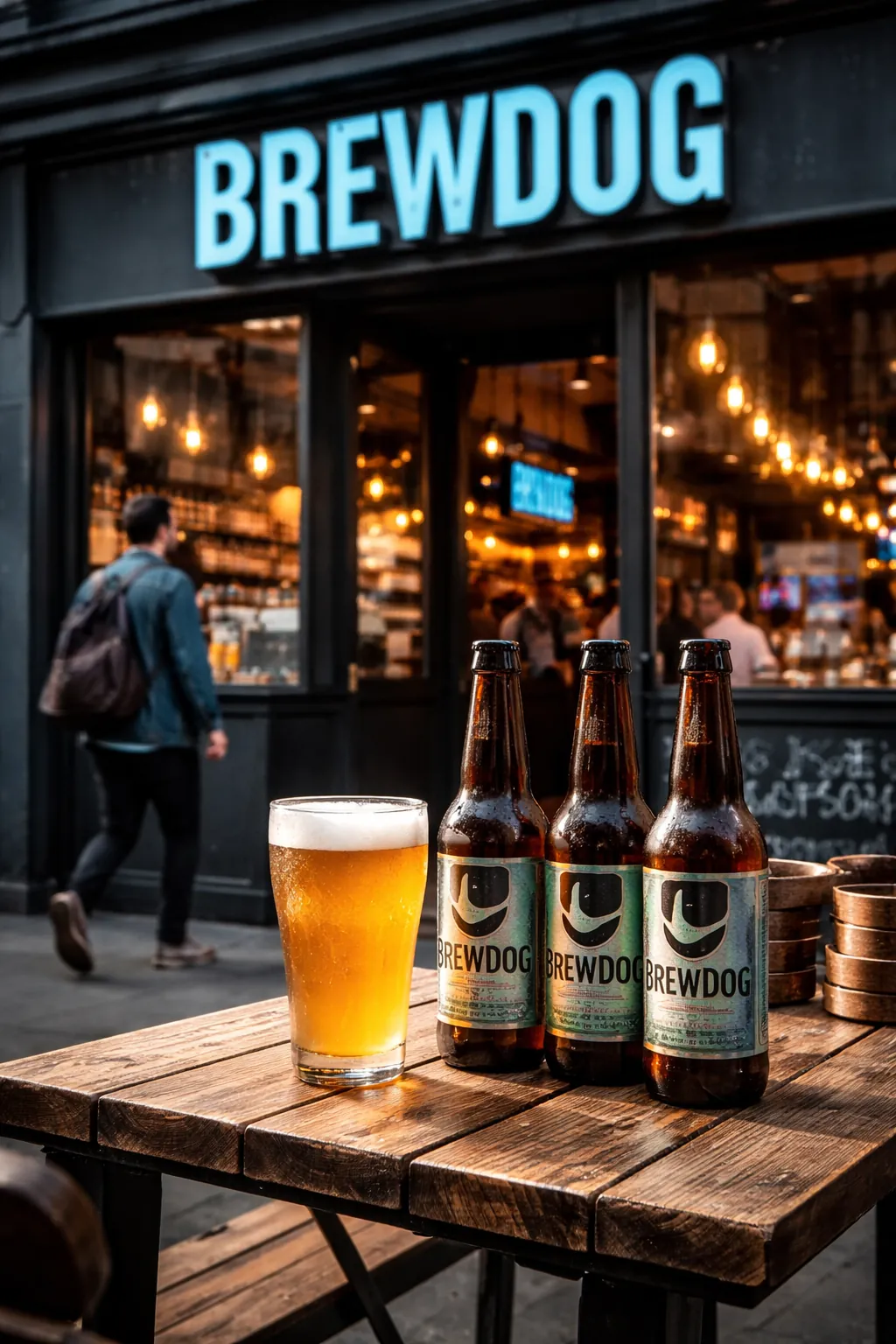
Why BrewDog is considering strategic options
BrewDog grew from a small brewery in Aberdeenshire, Scotland, into one of the world’s best-known craft beer brands. Its expansion included breweries, bars, hotels and international distribution, helping transform it from an independent startup into a global hospitality business.
Like many companies operating pubs, restaurants and bars, BrewDog has faced rising energy costs, higher wages, inflation and increased supply chain expenses. At the same time, many consumers have become more cautious with discretionary spending, creating additional pressure across the hospitality industry.
Reports indicate the company is evaluating several strategic alternatives. Such reviews are common among businesses looking to strengthen their finances, improve long-term performance or attract new investment. They do not automatically mean that a sale has been agreed.
What a strategic review could involve
Companies undertaking strategic reviews typically examine multiple possibilities. These may include bringing in outside investors, refinancing existing debt, selling selected assets, forming partnerships or, in some cases, selling the entire company.
BrewDog operates several different businesses under one brand. Its brewing facilities manufacture beer for domestic and international markets, while its bars generate revenue through food, drinks and customer experiences. The BrewDog brand itself has commercial value because of its global recognition.
Some analysts believe these operations could attract different types of buyers if the company ever decided to separate parts of the business. However, no official decision has been announced.
Challenges facing the craft beer industry
BrewDog’s position reflects broader changes affecting the craft beer sector. After years of rapid growth, many breweries now compete in a more mature market where customers have wider choices, including premium lagers, alcohol-free beverages and ready-to-drink products.
Operating branded bars brings additional fixed costs such as rent, staffing and utilities. Those expenses continue regardless of customer traffic, making profitability more difficult when consumer demand weakens.
Across the hospitality industry, businesses are increasingly focusing on efficiency, sustainable growth and stronger cash flow rather than rapid expansion.
What happens next
Until BrewDog provides further updates, market speculation is likely to continue. Investors will be watching for announcements regarding financing, operational performance and any potential transactions, while customers will want to know whether the company’s bars, breweries or product range will be affected.
Even if ownership changes in the future, consumer brands often continue operating under familiar names. New owners frequently focus on improving operational efficiency while preserving the reputation and customer recognition that make the brand valuable.
For now, BrewDog remains one of the most recognizable names in craft brewing. The outcome of its strategic review could shape how the company competes in a changing global beer market over the coming years.
For official company information, visit the BrewDog official website .
You may also like

Make Swikblog your go-to source on Google for reliable updates, smart insights, and daily trends.