International Chess Day will be observed worldwide on Monday, 20 July 2026, bringing together players, schools, clubs and communities to celebrate one of the world’s oldest strategy games. The occasion recognises chess not only as a competitive sport but also as an educational and cultural activity that can support critical thinking, inclusion and peaceful cooperation.
For 2026, the International Chess Federation is encouraging people to “Celebrate, Create and Make a Difference.” The programme focuses on imaginative chess activities, wider participation and the use of the game as a practical tool for social development.
What is the International Chess Day 2026 theme?
The United Nations has not announced a separate official annual theme for the 2026 observance. However, FIDE is promoting this year’s celebration through a campaign built around creativity, inclusion and positive community impact.
Major activities include the Creative Chess challenge, events encouraging greater participation by women and girls, and an online discussion examining how chess can support education, rehabilitation and community programmes.
Read More
Why is International Chess Day celebrated on 20 July?
The date marks the establishment of the International Chess Federation, known as FIDE, in Paris on 20 July 1924. Chess communities have observed the occasion under the federation’s initiative since 1966.
On 12 December 2019, the United Nations General Assembly formally proclaimed 20 July as World Chess Day, recognising the game’s contribution to education, equality, dialogue, tolerance and international cooperation.
Modern chess is generally traced to Chaturanga, an early strategy game that developed in the Indian subcontinent before spreading through Persia and other regions. Its pieces and rules gradually evolved into the international form played today.
Why chess still matters today
Chess encourages concentration, patience, planning, logical reasoning and problem-solving. Because it requires little equipment and can be played online or in person, it remains accessible to people of different ages, backgrounds and physical abilities.
The United Nations links chess with the wider goals of education, gender equality, inclusion, mutual understanding and respect. These values also reflect the role of sport in bringing people together, as highlighted during International Sports Day 2026.
Chess is now used in schools, youth programmes, prisons, refugee communities and social projects. In these settings, structured play can help participants build confidence, practise disciplined thinking and interact constructively with others.
Creative Chess and inclusion activities
FIDE’s Creative Chess challenge invites participants to arrange a game in an unusual, meaningful or symbolic location. A board might be placed near a landmark, in a park, at a school or in another setting that shows how chess can move beyond a traditional tournament hall.
Participants can share photographs or videos using #InternationalChessDay while tagging FIDE. The Commission for Women’s Chess is also encouraging tournaments, workshops, lessons and community gatherings that create more opportunities for women and girls to play, learn, organise and lead.
Chess as a force for social change
FIDE’s Social Commission will host a one-hour online panel titled “Chess as Social Value: From the Chessboard to Society” on 20 July 2026 at 15:00 CEST.
The discussion will examine programmes operating in schools, prisons, refugee communities and correctional institutions. Speakers will explore how the game can support rehabilitation, confidence, positive behaviour and educational opportunity.
Official activity details are available in the International Chess Day 2026 announcement published by FIDE.
How to celebrate International Chess Day 2026
People can take part by playing a friendly match, teaching a beginner, joining a local club, solving chess puzzles or entering an online competition. Schools and community groups can arrange short lessons, rapid tournaments or mixed-age events for new and experienced players.
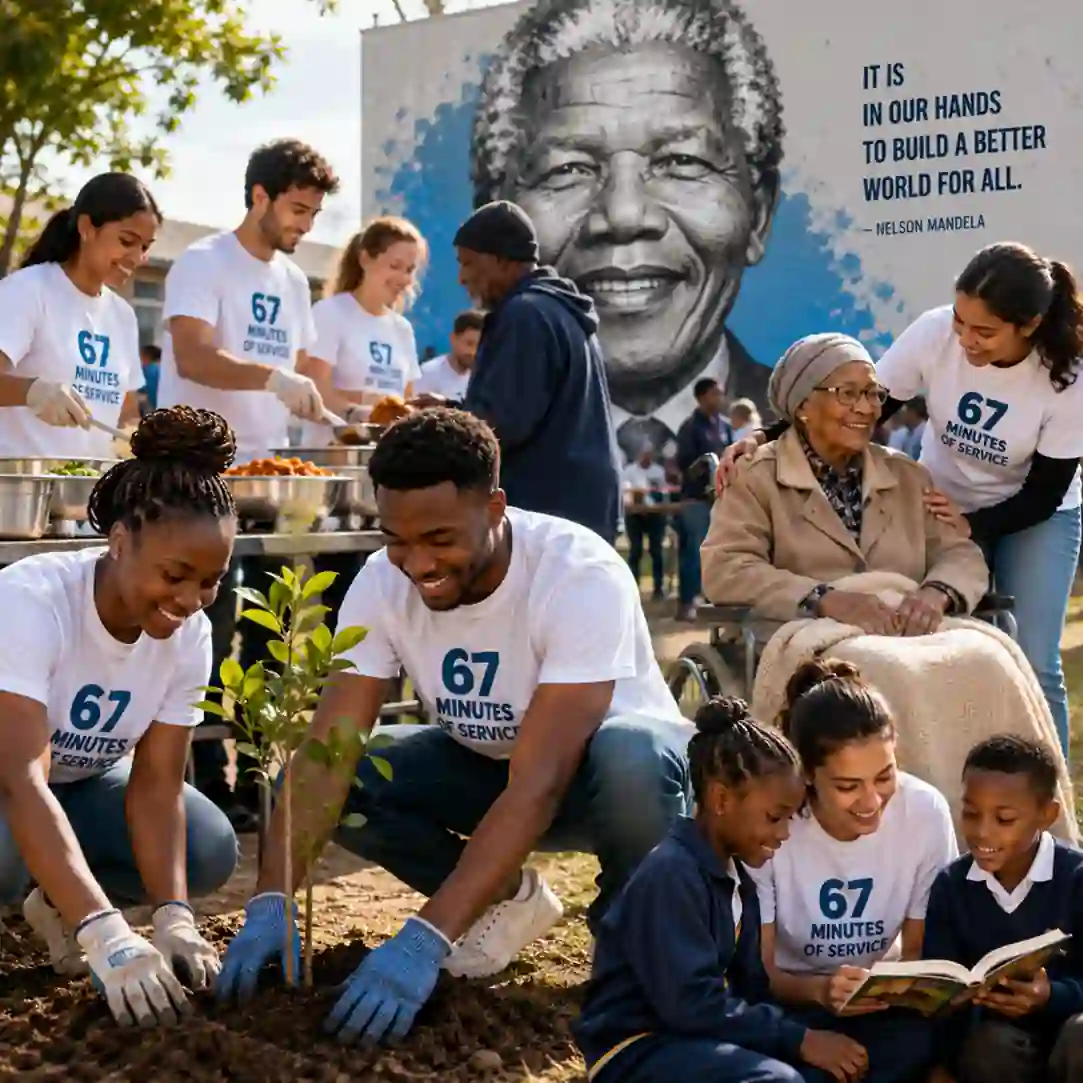
The observance takes place two days after Nelson Mandela International Day 2026, another global occasion centred on inclusion, service and constructive community action.
International Chess Day 2026 shows why chess remains more than a board game. From classrooms and community centres to online platforms and international events, it continues to connect people while encouraging strategic thinking, lifelong learning and wider participation.

Make Swikblog your go-to source on Google for reliable updates, smart insights, and daily trends.