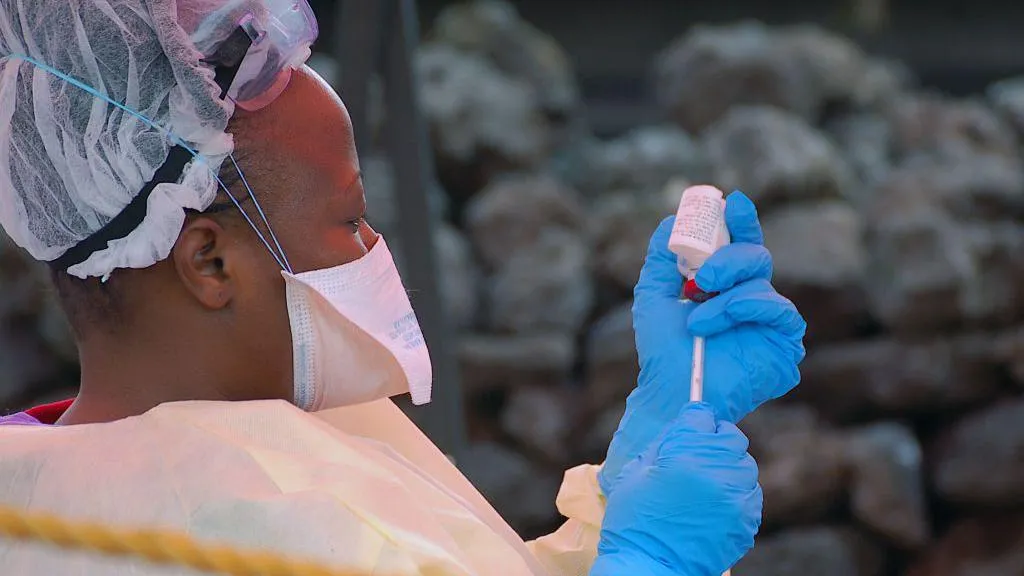

The Democratic Republic of Congo is facing another dangerous Ebola emergency after Africa CDC confirmed a new outbreak in the eastern province of Ituri, where 246 suspected cases and 65 deaths have been recorded so far.
The outbreak is not just concerning because of the number of deaths. It is unfolding in one of Congo’s most fragile regions, where armed violence, displaced families, poor road access and cross-border movement could make a fast public health response much harder. Health officials are now racing to understand how far the virus has spread, what strain is involved and whether the outbreak can be contained before it reaches more densely connected areas.
The affected cases have been reported mainly in the Mongwalu and Rwampara health zones. Suspected infections have also been reported in Bunia, the capital of Ituri province, which adds another layer of concern because urban movement can make contact tracing more complex.
Early laboratory results have found Ebola virus in 13 of 20 samples tested. Four deaths have been reported among laboratory-confirmed cases, while many other suspected deaths remain under investigation. The outbreak comes only months after Congo’s previous Ebola emergency was declared over, showing how persistent the threat remains in parts of the country where the virus can re-emerge from natural reservoirs and spread quickly through communities.
Why this outbreak may be harder to control
There are three reasons this outbreak is drawing urgent attention from health agencies. The first is geography. Ituri is a remote province in eastern Congo, more than 1,000 kilometers from Kinshasa. Roads are poor, some areas are difficult to reach, and moving medical teams, protective equipment, laboratory supplies and vaccines can take longer than it would in a better-connected region.
The second reason is insecurity. Ituri has been hit by repeated militia violence, including attacks linked to the Allied Democratic Forces, an Islamic State-linked armed group active in eastern Congo. The wider east has also been destabilized by the M23 conflict, which has displaced large numbers of people and weakened already stretched health systems.
When Ebola appears in a conflict zone, the response becomes more complicated. Health workers may not be able to move safely. Patients may avoid clinics because of fear or mistrust. Families fleeing violence may travel before symptoms appear. Clinics may be overwhelmed, damaged or short of staff. In that environment, even basic outbreak control measures such as contact tracing, isolation and safe burials become harder to carry out consistently.
The third concern is mobility. Mongwalu is linked to mining activity, and mining areas often attract workers, traders and transport routes from multiple communities. Africa CDC has warned that intense population movement, mining-related travel, insecurity, gaps in contact listing and cross-border links raise the risk of further spread. Ituri’s proximity to Uganda and South Sudan means the outbreak is already being treated as a regional preparedness issue, not just a local health emergency.
For verified background on the latest outbreak and official concerns, readers can follow the BBC’s report on the Congo Ebola outbreak, which summarizes Africa CDC’s confirmation and the regional response now being organized.
A possible non-Zaire strain could complicate the response
Another major issue is the strain of Ebola involved. Initial findings cited by health officials suggest the outbreak may involve a non-Zaire strain, though sequencing is still underway. That detail matters because almost all of Congo’s previous Ebola outbreaks were caused by the Zaire strain.
The Zaire strain is the one for which the best-known vaccines and treatments were developed. If the current outbreak is confirmed to involve another strain, health authorities may need to adjust parts of the medical response. It does not mean the outbreak cannot be controlled, but it could affect decisions around vaccines, treatments, risk communication and the type of international support needed.
Ebola virus disease spreads through direct contact with the bodily fluids of an infected person, including blood, vomit, stool, breast milk or semen. It can also spread through contaminated materials and during unsafe burial practices if mourners come into contact with the body of someone who died from the disease.
Read More
- Visit Swikblog Homepage
- Maldives Diving Horror: Five Italians Die in Underwater Caves at Vaavu Atoll
- Sunday Times Rich List 2026: David Beckham Billionaire Sportsman
- Spaghetti House Closes All London Restaurants After 70 Years
- HSBC Halts $4 Billion Private Credit Investment After $400 Million Loss
- Australia Quarantines Cruise Ship Travellers After Hantavirus Outbreak
Early symptoms can look similar to other illnesses, including fever, fatigue, muscle pain, headache and sore throat. Severe cases may progress to vomiting, diarrhea, rash, impaired kidney and liver function, and sometimes internal or external bleeding. Because the early signs can be difficult to distinguish from other infections, rapid testing and isolation are essential during an outbreak.
That is why contact tracing is so important. Once a case is identified, health teams must find people who may have had contact with the patient, monitor them for symptoms and act quickly if they become ill. Any delay gives the virus more time to move through households, clinics, transport routes or burial gatherings.
Africa CDC is now convening an urgent high-level coordination meeting with officials from Congo, Uganda and South Sudan, as well as United Nations agencies and other partners. The focus is expected to include surveillance, laboratory support, infection prevention, risk communication, safe and dignified burials, emergency funding and cross-border coordination.
That regional approach is important because viruses do not follow borders. If infected people travel for work, safety, trade or family reasons before they are diagnosed, neighboring countries need hospitals, border teams and laboratories ready to detect cases quickly.
This is Congo’s 17th Ebola outbreak since the virus was first identified in the country in 1976. The country has more Ebola response experience than almost anywhere else in the world, but each outbreak brings different challenges. The 2018–2020 outbreak in eastern Congo killed more than 1,000 people and showed how dangerous Ebola can become when it spreads in a region affected by insecurity and distrust.
The West Africa Ebola epidemic between 2014 and 2016 was even more devastating, killing more than 11,000 people across Guinea, Liberia and Sierra Leone. That crisis became a turning point in global outbreak preparedness because it exposed how quickly weak surveillance, delayed response and overwhelmed health systems can allow Ebola to grow from a local cluster into an international emergency.
Congo’s most recent outbreak before the Ituri emergency was declared over only months ago. That outbreak lasted around three months and killed dozens of people. During that response, health agencies faced problems delivering vaccines because of limited access and funding constraints. The same type of logistical pressure could return in Ituri if insecurity blocks roads or delays field operations.
Still, Congo is not starting from zero. Public health workers in the country have handled repeated Ebola emergencies. Laboratories, trained responders and outbreak protocols already exist. Dr. Gabriel Nsakala, a public health expert involved in earlier responses, said the key now is speed: trained people know what to do, but equipment, supplies and specialist support must reach the affected zones quickly.
The human risk is also shaped by displacement. Ituri has camps and informal settlements where families have fled violence. Crowded living conditions, limited water access and weak sanitation can increase the risk of disease spread in general. While Ebola does not spread through air like measles or flu, poor hygiene conditions and overstretched clinics can still make outbreak control more difficult.
For readers following wider infectious disease risks, Swikblog has also reported on another recent outbreak-related emergency involving hantavirus and expedition travel. You can read that related health report here: Hantavirus Outbreak on Cruise Ship Leaves 3 Dead, WHO Investigates Atlantic Incident.
The next phase of the Congo Ebola response will depend on how quickly officials can confirm the strain, map transmission chains and protect health workers. Safe burials, clear public messaging and community trust will be just as important as laboratory testing. In past Ebola outbreaks, fear and misinformation have sometimes pushed families away from treatment centers, allowing the virus to spread quietly.
For now, the official numbers already point to a serious emergency: 246 suspected cases and 65 deaths. The outbreak has not yet become a wider regional crisis, but the conditions around it are dangerous. A remote province, armed violence, mining-linked movement, suspected urban cases and possible cross-border exposure have created exactly the kind of environment where a slow response could prove costly.
Congo has contained Ebola many times before. The question now is whether health teams can reach Ituri fast enough, with the right tools, before this outbreak moves beyond the communities where it has already taken dozens of lives.

Make Swikblog your go-to source on Google for reliable updates, smart insights, and daily trends.